Antarctica Explained: Science, Tourism and the Treaty That Keeps It Peaceful
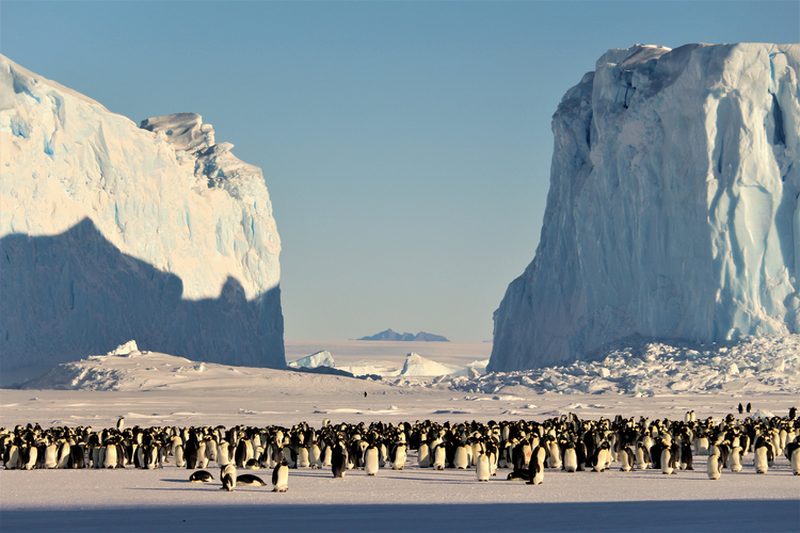
Antarctica is the coldest, driest, windiest continent, a place with no permanent residents, no government and no army, governed by a treaty that has kept it peaceful for over 60 years. It holds 70 per cent of the world’s fresh water locked in ice, drives global ocean currents, and hosts science stations from 30 countries. But the Antarctic Treaty System faces growing pressure: surging tourism, bioprospecting, fishing disputes and great-power rivalry. This explainer covers the science, the visitors and the treaty keeping the peace.
How the treaty works
The 1959 Antarctic Treaty, signed at the height of the Cold War, was a diplomatic miracle: it froze territorial claims, banned military activity and nuclear testing, and dedicated the continent to peace and science. Later agreements added environmental protection, culminating in the 1991 Madrid Protocol’s 50-year ban on mining. Decisions require consensus among 29 consultative parties, from the US and Russia to China and India. The system’s genius is ambiguity: claims are neither recognised nor denied, letting rivals cooperate. It is the most successful arms-control agreement in history, and it was about a whole continent.
The science continent
Antarctica is Earth’s greatest laboratory. Ice cores drilled at stations like Vostok reveal 800,000 years of climate history, the evidence base for global warming. Astronomers exploit the clear, dry air; biologists study life in subglacial lakes sealed for millennia; oceanographers track the currents that regulate the planet’s climate. Research is gloriously international: the treaty mandates sharing of plans and results, and stations routinely rescue each other’s expeditions. The science done here underpins everything from climate models to the ozone hole’s healing, a rare environmental victory first spotted over Antarctica.
The tourism boom
Antarctica is also booming as a destination: over 100,000 tourists a year now cruise its waters, up from a trickle decades ago. The industry is self-regulated through IAATO, with strict landing limits and wildlife rules, but growth strains the system: more ships, more risk of fuel spills, more disturbance to penguin colonies. Calls for binding tourism regulation grow louder, but consensus is elusive. For visitors, Antarctica is the last great wilderness; for its guardians, it is a management challenge the treaty never anticipated.
- Antarctica holds about 70% of the world’s fresh water as ice.
- The Antarctic Treaty (1959) bans military activity and freezes territorial claims.
- Mining is banned under the Madrid Protocol until at least 2048.
- Annual tourists now exceed 100,000, mostly by cruise ship.
The pressures building
The treaty’s consensus model is fraying. Russia and China have blocked new marine protected areas for years, protecting fishing interests. Bioprospecting, patenting Antarctic organisms, raises benefit-sharing fights. The mining ban comes up for review in 2048, and resource-hungry powers are positioning. Geopolitical tensions seep south: Western states eye China’s growing station network warily. The treaty has survived the Cold War and its aftermath, but it was designed for science, not for a resource race.
Why Antarctica matters to you
Antarctica governs your climate: its ice sheets hold metres of sea-level rise, its currents drive weather worldwide, and its fate is the planet’s. What happens there is decided by treaty, not markets, making it a test of whether humanity can manage a commons. So far, the answer has been yes, imperfectly but remarkably. The frozen continent is proof that rivals can share a place for the common good; keeping it that way is one of diplomacy’s highest callings.
FAQs
Who owns Antarctica? No one: seven states maintain claims, but the treaty freezes them; the continent is managed collectively for peace and science.
Can tourists visit? Yes, mostly by regulated cruises; there are no hotels or permanent tourist facilities, and strict environmental rules apply.
Is mining allowed? No. The Madrid Protocol bans mineral exploitation until at least 2048.
Antarctica is the exception that proves a rule: that international cooperation is possible, even among rivals, when the stakes are clear. As pressures mount, the treaty’s next decades will test whether the exception can endure.
The treaty’s next test comes in 2048, when the mining ban can be reviewed. Until then, the pressures, tourism, fishing, bioprospecting and strategic rivalry, will keep probing the consensus. Antarctica has survived six decades of peace by making cooperation easier than conflict. Keeping that formula working in a harsher century is diplomacy’s quietest and most important job.
Compiled by the Khabar 24h Editorial Desk from publicly available sources.

Khabar 24h Editorial Desk — our explainers are prepared by the Khabar 24h editorial team using AI-assisted research tools, and every piece is reviewed by a human editor before publishing. We do not claim original reporting: our work is turning complex topics into simple, accurate summaries. Spotted an error? Write to contact@khabar24h.com — our corrections policy aims for same-day review.
More from this author →