How to Shop Online Safely: Spotting Fake Websites and Payment Fraud
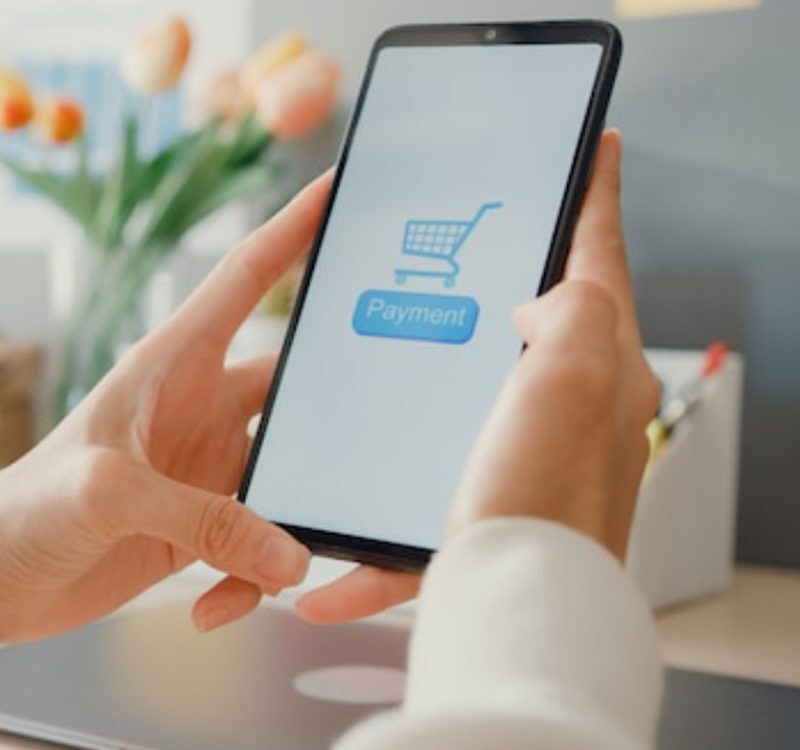
Indians now buy everything online, from groceries to gold, and the festival sales have become national events. But every sale season also brings a parallel economy of fraud: fake websites mimicking Flipkart and Amazon, Instagram stores that take payment and vanish, and payment links engineered to drain accounts. Online shopping fraud costs Indians hundreds of crores annually, and the victims are often careful people caught by professional-looking deception. Shopping online safely is a learnable skill, and it starts with knowing exactly what the fakes look like.
How fake shopping websites work
Fraudulent shopping sites come in flavours. The crudest are pure clones: a website copying a famous retailer’s design at a lookalike domain, flipkart-offer.in instead of flipkart.com, advertising impossible discounts to harvest card details. More sophisticated are the ghost stores: polished Instagram or Facebook ads for trendy products at tempting prices, with a professional-looking site behind them, that simply never ship anything. Then there are the marketplace manipulators: sellers on genuine platforms with fake reviews and bait-and-switch listings. The common thread is urgency, countdown timers, “only 2 left”, festival-exclusive prices, engineered to make you pay before you think. Legitimate retailers use urgency too, which is exactly why the fakes blend in.
How to spot a fake website
Train your eye with this checklist before entering payment details.
- Check the domain carefully: misspellings, extra words, odd extensions (.in-offer, .shop instead of .com) are the classic tell. Type the retailer’s address yourself rather than clicking ad links.
- Look for contact reality: genuine businesses list a real address, working phone number and clear return policy. A site with only a contact form is suspect.
- Test the prices: if a premium product sells at 70 per cent off with no credible explanation, it is bait.
- Read reviews off-site: search the store name plus “fraud” or “review” on Google; fake stores accumulate warnings quickly.
- Check the site’s age and security: a padlock icon means encrypted connection, not legitimacy, but its absence on a payment page is damning.
- Inspect payment options: insistence on UPI transfers to personal handles, or refusal of cash on delivery where it should be offered, signals fraud.
How to pay safely online
Your payment method is your safety net, so choose it deliberately. Credit cards offer the strongest protection in India: fraudulent charges can be disputed through chargeback, and the bank’s money, not yours, is at risk during the dispute. UPI is safe for genuine merchants but irreversible once sent, so reserve it for trusted sellers and never for advance payments to strangers. Cash on delivery remains the gold standard for unfamiliar sellers: you pay only when the product is in your hands. Never share OTPs with anyone, no legitimate seller or delivery agent needs them. And enable transaction alerts on all accounts so fraud surfaces in minutes, not at month-end.
Social media shopping: extra caution
Instagram and Facebook storefronts deserve special scepticism. Check how long the account has existed, whether followers look genuine, and whether comments are open, scammers disable comments to hide warnings. Reverse-image-search product photos; stolen catalogue images are a red flag. Prefer sellers who accept COD or who operate through platform checkout systems with buyer protection. Be especially wary of WhatsApp-only sellers demanding advance UPI payment: this combination, no platform, no protection, advance payment, is the commonest shape of shopping fraud in India. If a deal exists only in DMs, walk away.
What to do if you have been scammed
Speed matters enormously. If you paid by card, call your bank immediately to dispute the charge; chargeback windows are limited. For UPI fraud, report through your UPI app and call the cybercrime helpline 1930 at once, quick reporting can freeze mule accounts before money moves. File a complaint at cybercrime.gov.in with screenshots, URLs, transaction IDs and the seller’s details. If the fraud happened on a genuine marketplace, use its buyer-protection claim process in parallel. Keep every scrap of evidence: scammers delete sites and accounts within days. And report the fake site or ad to the platform hosting it; your report protects the next potential victim.
FAQs
Is cash on delivery always safe? For the payment, yes, you pay on receiving the product. Still inspect the package and buy from sellers with credible reputations; COD does not guarantee product quality.
Are all Instagram stores scams? No, many are legitimate small businesses. But the platform offers limited buyer protection, so verify carefully and prefer COD or protected checkout.
What is the safest overall way to shop online? Established retailers or marketplaces, paid by credit card or COD, after a quick legitimacy check. Boring, but effective.
Online shopping is one of the internet’s great conveniences, and it does not require paranoia, just procedure: verify the seller, choose protected payment, guard your OTPs, and act fast if something goes wrong. The scammers rely on haste and trust; a few deliberate habits take both away from them.
Compiled by the Khabar 24h Editorial Desk from publicly available sources.

Khabar 24h Editorial Desk — our explainers are prepared by the Khabar 24h editorial team using AI-assisted research tools, and every piece is reviewed by a human editor before publishing. We do not claim original reporting: our work is turning complex topics into simple, accurate summaries. Spotted an error? Write to contact@khabar24h.com — our corrections policy aims for same-day review.
More from this author →