Yoga for Athletes: How Flexibility Training Prevents Injuries
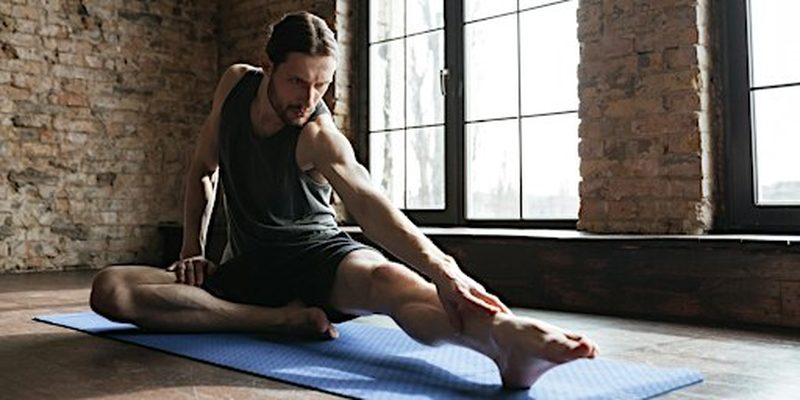
Elite athletes increasingly end their training days on yoga mats. From cricketers to footballers, flexibility training drawn from yoga has moved from alternative fringe to standard practice, prescribed by physiotherapists and strength coaches alike. The logic is simple: supple, well-controlled joints withstand sporting stresses better than stiff ones. This is how yoga-based flexibility training works, what the evidence says, and how athletes use it.
Why do athletes need flexibility training?
Sport demands extreme ranges of motion under load: the fast bowler’s shoulder rotation, the hurdler’s hip extension, the gymnast’s everything. When muscles and connective tissue lack the required range, the body compensates: neighbouring joints take stresses they were not designed for, and injuries follow. Tight hip flexors tilt the pelvis and load the lower back; stiff ankles force the knees inward during landing. Flexibility training restores and maintains functional range, allowing clean movement patterns. It also aids recovery: gentle mobility work after hard sessions reduces stiffness and maintains tissue quality. Flexibility is not about touching your toes; it is about owning every position your sport demands.
How does yoga prevent injuries?
Yoga prevents injuries through several mechanisms. Sustained poses lengthen chronically tight muscles, particularly the hip flexors, hamstrings and thoracic spine that modern life shortens. The balance poses develop proprioception, the body’s awareness of joint position, which protects against awkward landings and sudden twists. Controlled breathing downregulates the nervous system, reducing the muscular tension that contributes to strains. And yoga’s emphasis on symmetrical practice corrects the imbalances that one-sided sports create: the tennis player’s dominant shoulder, the fast bowler’s rotated spine. Research in team sports shows that structured flexibility programmes reduce muscle-strain injuries, and yoga’s holistic approach delivers flexibility plus balance plus body awareness in one package.
Which yoga practices suit athletes best?
Not all yoga is equal for athletic purposes. Dynamic, movement-based styles suit athletes better than long-held passive stretching before activity. Effective sequences include:
- Sun salutations: flowing sequences that mobilise the spine, hips and shoulders while building body awareness.
- Warrior poses: hip and ankle mobility with single-leg strength, directly relevant to running and cutting sports.
- Pigeon pose: deep hip-rotator release for athletes with tight glutes and piriformis issues.
- Downward dog: calf, hamstring and shoulder mobility in one foundational shape.
- Pranayama breathing: breath control that aids focus, recovery and nervous-system regulation.
Sports physiotherapists often prescribe yoga-inspired mobility routines rather than traditional classes, selecting poses that address each athlete’s specific restrictions.
When should athletes do flexibility work?
Timing matters. Dynamic mobility, leg swings, flowing sequences, belongs in warm-ups, preparing joints for action. Long-held static stretching is better after training or on recovery days, when the goal is restoring range rather than preparing for power; static stretching immediately before explosive activity can temporarily reduce power output. Many teams schedule dedicated yoga sessions on recovery days: 30 to 45 minutes of flowing mobility that doubles as active recovery. Consistency beats intensity: ten minutes daily maintains range better than one heroic weekly session. The athletes who benefit most treat flexibility like strength training, a permanent programme, not a pre-season chore.
What does the science say?
The evidence is supportive but nuanced. Systematic reviews find that flexibility training reduces musculotendinous injuries, particularly hamstring and groin strains, when part of comprehensive programmes. Yoga specifically shows benefits for balance, flexibility and perceived recovery, with emerging evidence for injury reduction in team sports. But flexibility alone is not a panacea: excessive flexibility without strength creates instability, which is why modern practice pairs mobility with control, strengthening muscles in their new ranges. The hypermobile athlete needs stability work more than stretching. The science supports a balanced view: adequate, controlled mobility for the sport’s demands, no more, no less.
How do Indian athletes use yoga?
India’s athletes have a natural advantage: yoga is cultural heritage, not an imported trend. Cricketers have long used yogic breathing and stretching; the national teams employ yoga instructors alongside physios. Wrestlers’ traditional akhada training includes dands and bethaks, bodyweight movements with yogic roots. Modern Indian Olympians blend classical yoga with sports science: morning pranayama for focus, evening mobility for recovery. The fusion is emblematic of Indian sport’s evolution: ancient practice, validated by modern research, deployed with professional precision.
FAQs
Should athletes stretch before competing? Dynamic mobility yes; long static holds are better saved for after, since they can temporarily reduce explosive power.
Can yoga replace strength training? No. Yoga complements strength work; athletes need both mobility and the strength to control it.
How often should athletes do yoga? Short daily mobility sessions plus one or two longer weekly sessions is the standard prescription.
Flexibility is athletic armour: the supple joint survives what the stiff joint cannot. Borrow yoga’s tools, apply them with sporting intelligence, and the body becomes harder to break.
Source: Journal of Yoga and Physiotherapy reviews

Khabar 24h Editorial Desk — our explainers are prepared by the Khabar 24h editorial team using AI-assisted research tools, and every piece is reviewed by a human editor before publishing. We do not claim original reporting: our work is turning complex topics into simple, accurate summaries. Spotted an error? Write to contact@khabar24h.com — our corrections policy aims for same-day review.
More from this author →