I-League Explained: India’s Other Top-Tier Football Competition
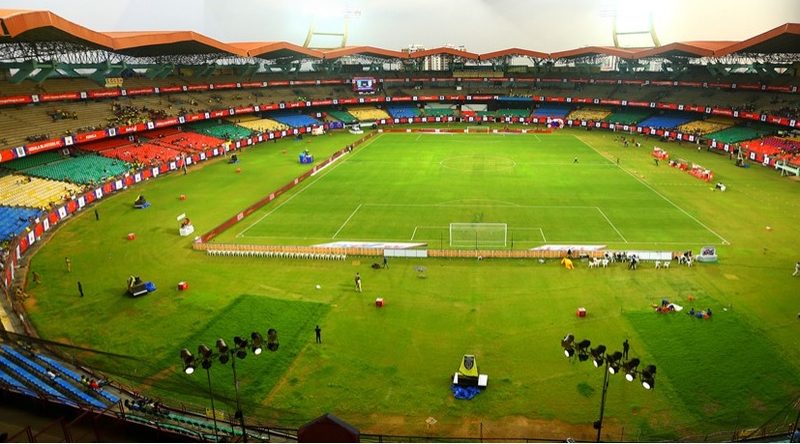
Before the Indian Super League’s franchise glamour, there was the I-League: India’s traditional national football championship, home to century-old clubs, passionate regional followings and the historic heart of the domestic game. Today it sits as the second tier of Indian football, feeding the ISL through promotion, and it remains a vital competition in its own right. This guide explains how the I-League works, its storied clubs, and its place in the modern Indian football pyramid.
History: from National Football League to I-League
The I-League’s roots go back to the National Football League, launched in 1996 as India’s first attempt at a nationwide football championship. Renamed and relaunched as the I-League in 2007, it became the country’s premier competition for the next decade, dominated at various times by Goan clubs, Kolkata giants and the remarkable rise of teams from the Northeast. Clubs like Dempo, Churchill Brothers, Salgaocar, Mohun Bagan and East Bengal built the league’s identity, combining local talent with foreign signings. The arrival of the ISL in 2014 created a rival power centre, and for several years Indian football had two competing top flights. The eventual resolution recognised the ISL as the first division, with the I-League as the official second tier, but with a crucial concession: a pathway of promotion for I-League champions into the ISL.
Format and the promotion pathway
The I-League follows the classic league format: each team plays every other team home and away across the season, with three points for a win and one for a draw, and the table-topper crowned champions. The season runs through the winter months, overlapping with the ISL calendar. The transformative change in recent years is promotion: the I-League champions now earn the right to step up to the ISL, giving every club in the division a genuine sporting dream to chase. This has reinvigorated the competition, with title races carrying the added prize of top-flight football. Relegation to the third tier, the I-League 2, applies at the bottom, keeping the pyramid competitive. Squad regulations emphasise Indian player development, with limits on foreign players that ensure domestic talent gets meaningful game time.
The clubs: heritage and regional passion
The I-League’s soul lies in its clubs. Kolkata’s Mohun Bagan and East Bengal, institutions dating to the early 20th century, carried the league for years before their ISL moves, and their legacy defines its history. Goan clubs brought technical football and fierce local pride. The Northeast emerged as a footballing powerhouse through clubs like Aizawl FC, whose fairytale title win remains one of Indian football’s greatest stories, and Shillong Lajong, pioneers of the region’s rise. Newer clubs from Kashmir to Kerala have added to the tapestry. These are community institutions in a way franchises rarely are: rooted in localities, sustained by generational loyalty, and playing in stadiums where the atmosphere, if not the facilities, matches anything in the country. For purists, the I-League remains the authentic heartbeat of Indian club football.
Role in Indian football’s future
The I-League’s importance to Indian football’s ecosystem is greater than its second-tier status suggests. It is a crucial development platform: young Indian players who cannot yet break into ISL squads get regular, competitive football here, and the national team continues to draw talent from its ranks. The promotion pathway gives the pyramid sporting integrity, ensuring that success on the pitch, not just financial muscle, determines who plays at the top. Challenges persist: commercial revenues lag far behind the ISL, some clubs struggle financially, and media coverage is modest. But the direction of travel, a unified pyramid with promotion and relegation, is exactly what Indian football needed. A strong I-League means a strong foundation, and the health of the national game depends on it.
- Founded as the National Football League in 1996; relaunched as the I-League in 2007.
- Now India’s official second tier, with the champions earning promotion to the ISL.
- Home-and-away league format played through the winter season.
- Historic clubs include Mohun Bagan, East Bengal, Dempo, Churchill Brothers and Aizawl FC.
FAQs
Is the I-League the top division in India? No. The ISL is the recognised first tier; the I-League is the second tier, with promotion to the ISL for its champions.
Can I-League teams reach the ISL? Yes. The I-League champions earn promotion, creating a sporting pathway between the divisions.
Which is older, the I-League or the ISL? The I-League’s lineage dates to 1996, making it nearly two decades older than the ISL, which launched in 2014.
The I-League is Indian football’s living history and its competitive conscience: less glamorous than the ISL, but indispensable to the pyramid and beloved by those who know where the game truly lives.
Compiled by the Khabar 24h Editorial Desk from publicly available sources.

Khabar 24h Editorial Desk — our explainers are prepared by the Khabar 24h editorial team using AI-assisted research tools, and every piece is reviewed by a human editor before publishing. We do not claim original reporting: our work is turning complex topics into simple, accurate summaries. Spotted an error? Write to contact@khabar24h.com — our corrections policy aims for same-day review.
More from this author →