How the Women’s Premier League Works: Teams, Auction and Tournament Format
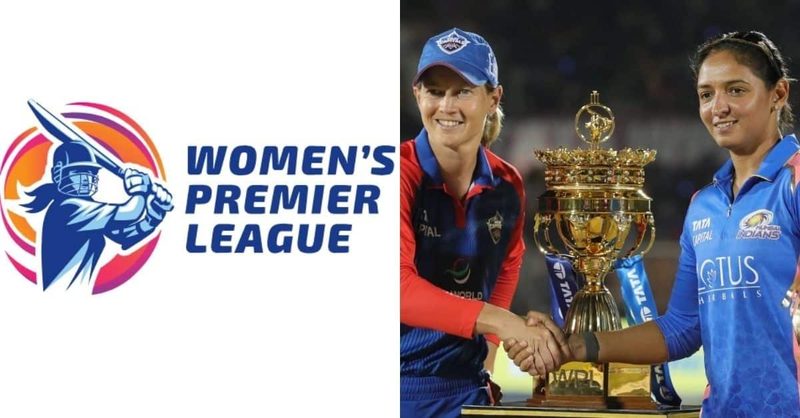
When the Women’s Premier League was announced, with franchises selling for sums that stunned even seasoned sports-business observers, it signalled that women’s cricket had entered a new era. Modelled on the IPL but built for the women’s game, the WPL compressed years of hoped-for progress into a single launch: big money, prime-time television, the world’s best players and packed stadiums. This guide explains how the league works, from the teams and the auction to the tournament format and its impact.
The teams and the launch
The WPL launched with five franchises, owned by a mix of existing IPL franchise owners and major corporate houses, with the franchise rights themselves selling for a combined figure approaching half a billion dollars, a staggering vote of commercial confidence. The teams represent major Indian cities and play their matches in a concentrated window, creating a festival atmosphere. Each squad blends Indian domestic talent with overseas stars, capped at a set number of foreign players per playing eleven, ensuring the league develops Indian players while showcasing global quality. The branding, the broadcast production and the marketing muscle behind the launch deliberately mirrored the IPL’s playbook, signalling that this was not a token gesture but a serious commercial property.
The auction: how squads are built
The player auction is the WPL’s great drama, a televised event where franchises bid for players within a salary cap. Each team builds a squad of around eighteen players through a combination of the auction and, in later seasons, retention and trading mechanisms. Marquee Indian internationals command the highest prices, often crossing into crore-plus territory, while uncapped domestic players, the league’s great discovery engine, can go from obscurity to life-changing contracts in a single bidding war. Overseas slots are fiercely contested, with the world’s best all-rounders and power-hitters attracting intense competition. The auction dynamics reward smart squad construction: franchises must balance star power with role players, manage the salary cap across batting, bowling and keeping slots, and plan for the overseas-player limits in the playing eleven. For domestic players, the auction is the most visible meritocracy in Indian cricket.
Tournament format: how the title is won
The WPL follows a compact, high-intensity format. The five teams play each other twice in a round-robin league stage, with two points for a win and net run rate separating ties. The playoffs then take a distinctive shape: the table-topper advances directly to the final, while the second- and third-placed teams contest an eliminator for the other final spot. This rewards consistent league-stage dominance with a direct route to the title match, making every group game meaningful. Matches are staged as prime-time double-headers and single evening fixtures across a few weeks, maximising television audiences. The cricket has been genuinely high quality from the first season: close finishes, outstanding individual performances, and tactical sophistication that has silenced any doubters about the product’s sporting credibility.
Impact: what the WPL has changed
The league’s impact has been transformative and fast. Financially, it has professionalised women’s cricket in India overnight: domestic players earn sums that make full-time cricket viable, support staff and facilities have improved, and the commercial interest has flowed into sponsorships beyond the league itself. On the field, young Indian players sharing dressing rooms with the world’s best have accelerated their development visibly, with the national team’s depth and fielding standards improving markedly. Globally, the WPL has raised the bar for women’s franchise cricket, intensifying competition with other leagues for talent and calendar space. Perhaps most importantly, it has normalised the sight of women’s cricket as prime-time entertainment, watched and celebrated on its own terms. The challenges ahead, expanding the number of teams, deepening domestic talent, managing an increasingly crowded calendar, are the problems of success.
- Five franchises; rights sold for a combined figure near half a billion dollars.
- Squads built via auction under a salary cap, blending Indian and overseas players.
- Double round-robin league stage; table-topper goes straight to the final.
- Overseas-player limits in the playing eleven protect development opportunities for Indians.
FAQs
How many teams are in the WPL? Five franchises currently compete, with expansion a long-term possibility as the league grows.
When is the WPL played? The tournament is staged in a concentrated window early in the calendar year, usually February-March.
Can overseas players participate? Yes, each squad includes overseas stars, with a cap on how many can play in a single eleven.
The Women’s Premier League did not just launch a tournament; it launched an era. Women’s cricket in India now has the stage, the money and the audience it always deserved.
Compiled by the Khabar 24h Editorial Desk from publicly available sources.

Khabar 24h Editorial Desk — our explainers are prepared by the Khabar 24h editorial team using AI-assisted research tools, and every piece is reviewed by a human editor before publishing. We do not claim original reporting: our work is turning complex topics into simple, accurate summaries. Spotted an error? Write to contact@khabar24h.com — our corrections policy aims for same-day review.
More from this author →