How School Sports Work in India: SGFI, Khelo India and the Pathway Explained
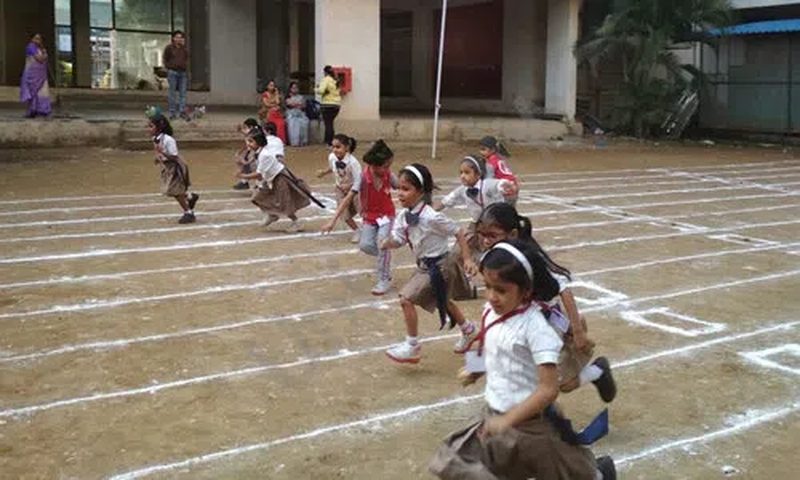
Before the stadiums and the sponsorships, there is the school playground. India’s school sports system, a layered structure of federations, government schemes and private leagues, is where most athletic journeys begin and where most end. Understanding how it works, the SGFI championships, the Khelo India Games, the pathways upward, reveals both the promise and the plumbing problems of Indian sport’s foundation.
What is the SGFI?
The School Games Federation of India, SGFI, is the apex body for school sports, organising national championships across dozens of disciplines for age-group athletes. The structure pyramids upward: schools compete in district meets, winners advance to state championships, and state champions contest the SGFI nationals. For generations, the SGFI nationals were the primary talent marketplace: national coaches scouted there, and a medal could earn admission advantages and job quotas. The federation’s reach is enormous, covering government and private schools across the country, though its resources and organisation quality vary wildly between states. For millions of children, the SGFI circuit is competitive sport itself.
How do the Khelo India Games fit in?
The Khelo India Youth Games, launched in 2018, added a new pinnacle to school sport: a multi-sport national event for under-17 and under-21 athletes, modelled on the Olympics with opening ceremonies, athlete villages and broadcast coverage. Unlike the SGFI’s federation-based structure, Khelo India is a government mission with serious funding: talent identified at the Games enters the Khelo India athlete programme, receiving annual financial support, training and sports science. The Games also include the Khelo India School Games layer and university editions, creating a ladder. Crucially, Khelo India brought money and prestige to age-group sport, making school-level achievement nationally visible for the first time.
What is the pathway from school to elite sport?
The ideal pathway runs: school competitions to district and state championships, to SGFI nationals or Khelo India Games, to junior national camps run by sports federations, to international junior competitions, and finally to senior national teams. Along the way, support mechanisms kick in: Khelo India scholarships, TOPS junior programmes, state sports hostels and academy placements. In practice, the pathway leaks at every joint. Talented children lack guidance on what comes next; federations scout inconsistently; the jump from school to federation systems defeats many. The sports with the strongest pathways, wrestling’s akhadas, boxing’s army centres, badminton’s academies, are those where institutions bridge the gaps deliberately.
How do private schools and leagues change the picture?
A parallel system has grown alongside the government structure. Elite private schools invest heavily in sports infrastructure and coaching, producing disproportionate numbers of national-level athletes in sports like tennis, golf, swimming and shooting. Private school leagues and corporate-run junior tournaments offer professional organisation that the SGFI sometimes lacks. Academies, from football to badminton, recruit directly from schools, bypassing the federation ladder entirely. This private ecosystem raises standards but also inequalities: access follows affluence, and the sports where India needs mass participation remain dependent on the underfunded government system. The challenge is connecting the two worlds.
What are the system’s biggest problems?
The list is familiar to Indian sports administrators. Age fraud distorts competition and destroys genuine young talent’s confidence. Coaching quality at the school level is poor, with PE teachers often untrained in the sports they supervise. Facilities are dire: most government schools lack playable grounds, let alone equipment. Girls face the additional barriers of safety and cultural resistance. The academic pressure cooker treats sport as a distraction, and the timetable reflects it. Corruption in selections and the politicisation of school sports bodies complete the picture. Khelo India’s funding addresses the top of the pyramid; the base remains chronically underbuilt.
How can the system improve?
Reformers prescribe foundational fixes: qualified coaches in every school cluster, playable grounds as a non-negotiable standard, biometric age verification to end fraud, protected sports periods in the timetable, and seamless data systems tracking athletes from school meets to national camps. The National Education Policy’s emphasis on sports as education, not extracurricular, provides policy backing. Public-private partnerships can bring professional management to school leagues. And celebrating school athletes, through media coverage and admission incentives that actually work, signals that the system values its foundation. School sport is where champions are made; it deserves to be built like it.
FAQs
What does SGFI stand for? The School Games Federation of India, which organises national school championships across age groups and sports.
What are the Khelo India Youth Games? A government-run national multi-sport event for under-17 and under-21 athletes, serving as a talent identification platform with funding for selected athletes.
How do school athletes get financial support? Through Khelo India scholarships, state sports quotas, federation programmes and increasingly private sponsorships.
SGFI nationals, Khelo India Games, academy trials: India’s school sports pathway exists, and at its best it works. The task now is making the best the norm, from every district to every discipline.
Source: Ministry of Youth Affairs and Sports

Khabar 24h Editorial Desk — our explainers are prepared by the Khabar 24h editorial team using AI-assisted research tools, and every piece is reviewed by a human editor before publishing. We do not claim original reporting: our work is turning complex topics into simple, accurate summaries. Spotted an error? Write to contact@khabar24h.com — our corrections policy aims for same-day review.
More from this author →