How Fantasy Sports Apps Work: Rules, Laws and the Business Model in India
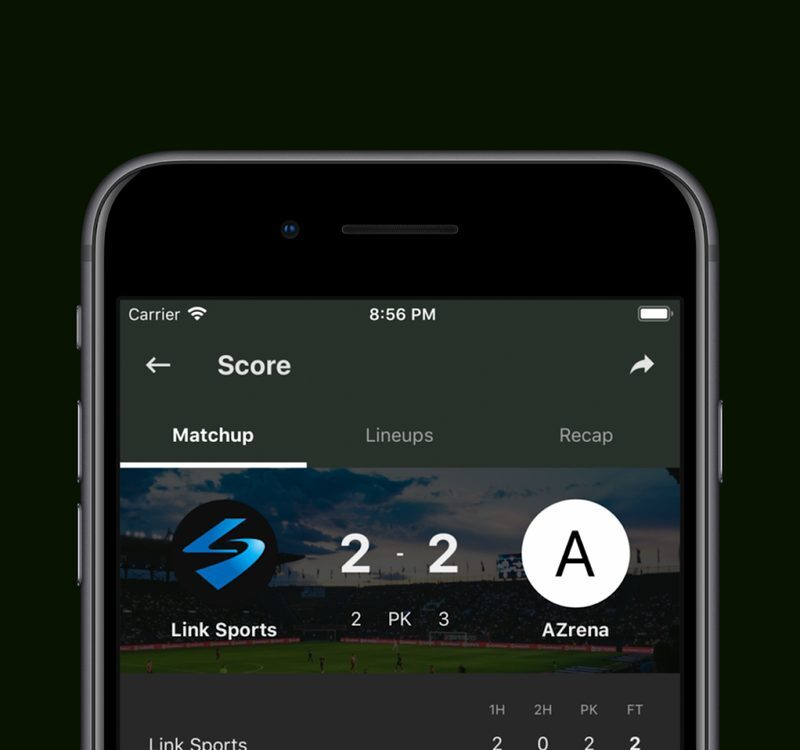
Fantasy sports apps have become a fixture of Indian sporting life: tens of crores of users pick virtual teams for cricket, football and kabaddi matches, competing for cash prizes. The industry grew from startup curiosity to a multi-billion-dollar business in under a decade. This guide explains how fantasy sports apps work, the rules that govern them, their legal status and the business model that powers them.
How do fantasy sports apps work?
The mechanics are straightforward. Before a real match, users select a virtual team of players from the two competing sides, typically eleven in cricket, within a fixed credit budget that forces strategic choices: stars cost more, value picks less. Users designate a captain and vice-captain whose points multiply. During the match, players earn fantasy points for real-world actions: runs, wickets, catches, goals, tackles. After the match, users are ranked by their teams’ total points, with top ranks winning cash prizes. Contests range from free practice games to mega contests with crores in prizes and millions of entrants. The skill lies in selection: reading form, conditions, team news and matchups to build the optimal lineup within budget.
What are the rules for team selection?
Each sport has its template, but the principles are consistent. Cricket fantasy typically requires a mix of wicket-keepers, batsmen, all-rounders and bowlers, with limits on players from one team to ensure balance. The credit system, usually 100 credits for eleven players, prevents stacking all superstars. Captaincy choices are decisive: captains earn double points, vice-captains 1.5 times, so the multiplier picks often decide contests. Player availability matters: lineups announced at the toss can invalidate selections, and savvy users wait for confirmed teams. Substitutions are locked at match start, making pre-match research the entire game. The rules reward knowledge: users who follow domestic cricket deeply outperform casual fans consistently.
Are fantasy sports legal in India?
Yes, in most of India. Courts, including the Supreme Court in dismissing challenges, have recognised fantasy sports as games of skill: success depends predominantly on knowledge, judgment and strategy rather than chance. This classification exempts them from gambling prohibitions under the Public Gambling Act and most state laws. However, a few states, notably Andhra Pradesh, Telangana, Assam, Odisha and Sikkim, have restricted or prohibited cash fantasy contests under their own gaming laws, and apps geo-block users there. The industry self-regulates through the Federation of Indian Fantasy Sports, with standards on responsible play, and awaits a central regulatory framework that would harmonise the state-level patchwork.
How do the apps make money?
The business model is the platform fee, often called the rake: apps take a commission, typically 10 to 20 per cent, from contest entry fees, distributing the rest as prizes. A mega contest with one crore rupees in entries might pay out 80 to 85 lakhs in prizes, keeping the remainder. Scale is everything: with hundreds of millions of users, even small margins generate enormous revenue. Advertising and sponsorship add income: fantasy brands are among Indian sport’s biggest advertisers, sponsoring teams, leagues and broadcasts. Data and engagement have secondary value: the apps know more about fan preferences than almost anyone. Profitability, however, is elusive: massive marketing spending to acquire users means many platforms prioritise growth over profits.
What are the risks for users?
Fantasy sports are skill-based but not risk-free. The commonest harm is financial: users chasing losses by entering more contests, spending beyond their means. Addiction patterns mirror gambling, with the apps’ design, constant contests, instant results, encouraging compulsive play. Responsible platforms offer deposit limits, self-exclusion and reality checks, but uptake is voluntary. Fraud risks include fake apps and phishing targeting users’ winnings. Taxation applies: winnings above thresholds face tax deducted at source, and professional players must declare income. The industry’s defence is that skill predominates and most users play small stakes for entertainment; critics argue the design exploits the same vulnerabilities as gambling.
How is the industry evolving?
Maturation is underway. Consolidation has left a few dominant platforms and many niche ones. Regulation is tightening: advertising standards restrict misleading prize claims, and states scrutinise the skill-chance boundary. Product innovation expands beyond cricket into football, kabaddi and international sports. The apps are becoming fan-engagement platforms: live chats, expert content, watch-alongs. International expansion targets diaspora markets. And the relationship with real sport deepens: official league partnerships give platforms data rights and legitimacy. Fantasy sports have grown from a loophole in gambling law into a pillar of the sports economy; the next phase is proving they can be responsible as well as profitable.
FAQs
Is Dream11 legal in India? Yes, in most states. Courts have held fantasy sports to be games of skill, though some states prohibit cash contests.
How do fantasy apps earn money? Through platform commissions of 10-20 per cent on contest entry fees, plus advertising and sponsorship revenue.
Are fantasy sports gambling? Indian courts have ruled they are games of skill, not gambling, because knowledge and strategy predominantly determine outcomes.
Pick your team, trust your judgment, mind your budget: fantasy sports turned fandom into a game of skill. Played responsibly, it is the closest most fans get to the selector’s chair.
Source: Federation of Indian Fantasy Sports standards

Khabar 24h Editorial Desk — our explainers are prepared by the Khabar 24h editorial team using AI-assisted research tools, and every piece is reviewed by a human editor before publishing. We do not claim original reporting: our work is turning complex topics into simple, accurate summaries. Spotted an error? Write to contact@khabar24h.com — our corrections policy aims for same-day review.
More from this author →