How Cricket Batting Techniques Differ Across Test, ODI and T20 Formats
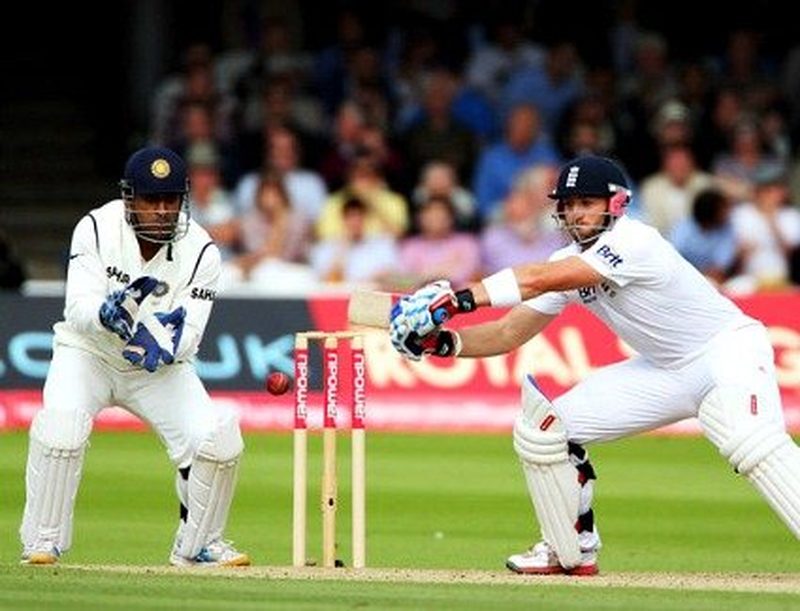
Ask a casual viewer what batting is and you will get a simple answer: hit the ball and score runs. Ask a coach and you will get three answers, one for each format. Batting in Test cricket, one-day internationals and T20s demands such different techniques, temperaments and shot selections that many players now specialise, and the rare all-format batter is celebrated as a freak of adaptability. The fundamentals of balance, head position and timing never change, but almost everything built on top of them does. This guide explains how batting technique differs across the three formats and why the modern game keeps pulling them further apart.
Test cricket: defence as the foundation of attack
Test batting is built on survival. With unlimited overs and up to five days to shape a match, the premium is on leaving the ball, defending with soft hands and occupying the crease for hours. The classic Test technique is side-on and compact: a still head over the front shoulder, a high left elbow for the right-hander, a straight bat presented late, and footwork that gets decisively forward or back rather than caught in between. Great Test batters play the ball under their eyes, leave generously outside off stump, and treat their wicket as an asset to be protected above all else. Patience is a scoring shot in disguise, because bowlers tire, pitches deteriorate and loose balls eventually come. The mental game is equally distinctive: concentration across sessions, the discipline to restart after every break, and the courage to bat time when the team needs a draw. It is no accident that the players with the most complete defensive techniques tend to dominate the longest format.
ODI batting: the art of paced acceleration
One-day batting is an exercise in innings construction across 50 overs. The modern ODI batter thinks in phases: attack the powerplay while fielding restrictions apply, consolidate through the middle overs with strike rotation and calculated risk, then launch at the death. Technique here is a hybrid. The base remains orthodox, because 50 overs still punish reckless batting, but the ODI player needs a wider scoring repertoire than the Test specialist: the lofted drive over extra cover, the pick-up pull, the late cut, and increasingly the ramp and reverse sweep. Footwork against spin becomes a scoring weapon, with batters using their feet to get to the pitch or going deep in the crease to create angles. Running between the wickets is a genuine skill, turning ones into twos and keeping pressure on the field. The best ODI batters, the great chasers especially, combine Test-like calm in a crisis with T20-like finishing power, shifting gears without changing their essential method.
T20 batting: power, innovation and 360-degree scoring
T20 has rewritten the batting manual. With only 120 balls per innings, there is no time to play yourself in, no value in leaving the ball, and no shame in getting out to an attacking shot. The T20 technique starts from a more open, crouched stance, with the weight ready to transfer into big hits. Bat speed matters more than bat straightness; bottom-hand power, strong forearms and core rotation generate the six-hitting ability that defines the format. Shot innovation is constant: the switch hit, the reverse sweep, the scoop over fine leg, the helicopter whip, all designed to access the full 360 degrees of the field and defeat pre-planned bowling. Batters premeditate more, moving across the stumps or charging the bowler to disrupt lengths. Even defence has changed: the soft-handed nudge for a quick single replaces the dead-bat block. Specialists now train with weighted bats, high-speed bowling machines and scenario-based practice that simulates the last three overs with 40 needed.
What stays the same across all formats
For all the divergence, the non-negotiables of batting are format-proof. Watching the ball onto the bat, keeping the head still at the point of contact, maintaining balance through the shot, and timing rather than muscling the ball matter whether the innings lasts six hours or six overs. The best all-format batters are proof: they do not have three techniques but one deeply grooved method with format-specific layers added on top. They defend with the same head position they use to launch over long-on. Coaches at the elite level now talk about adaptability as the master skill, the ability to read what the situation demands and switch mindset ball by ball. A Test hundred and a T20 fifty look nothing alike, but both are built on watching the ball and trusting the basics under pressure.
- Tests reward leaving, defending and concentration over days; strike rates of 45-55 are often match-winning.
- ODIs demand phased acceleration; a strike rate near 90-100 across 50 overs marks the modern benchmark.
- T20s reward boundary-hitting from ball one; strike rates below 130 are increasingly seen as a liability.
- Footwork against spin, running between wickets and power-hitting are the three most trainable format-specific skills.
FAQs
Can a player succeed in all three formats with one technique? The very best can, by keeping their core method intact and adjusting intent, stance and shot selection. But most players now lean towards one or two formats.
Why do T20 batters stand differently? A more open, crouched stance with weight forward helps generate bat speed and access all areas of the field, which matters more than classical stillness in a 20-over innings.
Is Test batting technique dying out? No. If anything, the championship context of Test cricket has renewed respect for defence, and the best young batters still learn the long game first.
Cricket’s three formats ask three different questions of a batter, and the answers keep evolving. What does not evolve is the quiet truth at the heart of batting: see the ball early, move decisively, and let timing do the talking.
Compiled by the Khabar 24h Editorial Desk from publicly available sources.

Khabar 24h Editorial Desk — our explainers are prepared by the Khabar 24h editorial team using AI-assisted research tools, and every piece is reviewed by a human editor before publishing. We do not claim original reporting: our work is turning complex topics into simple, accurate summaries. Spotted an error? Write to contact@khabar24h.com — our corrections policy aims for same-day review.
More from this author →