How Concussions Are Managed in Sport: Protocols and Return-to-Play Rules
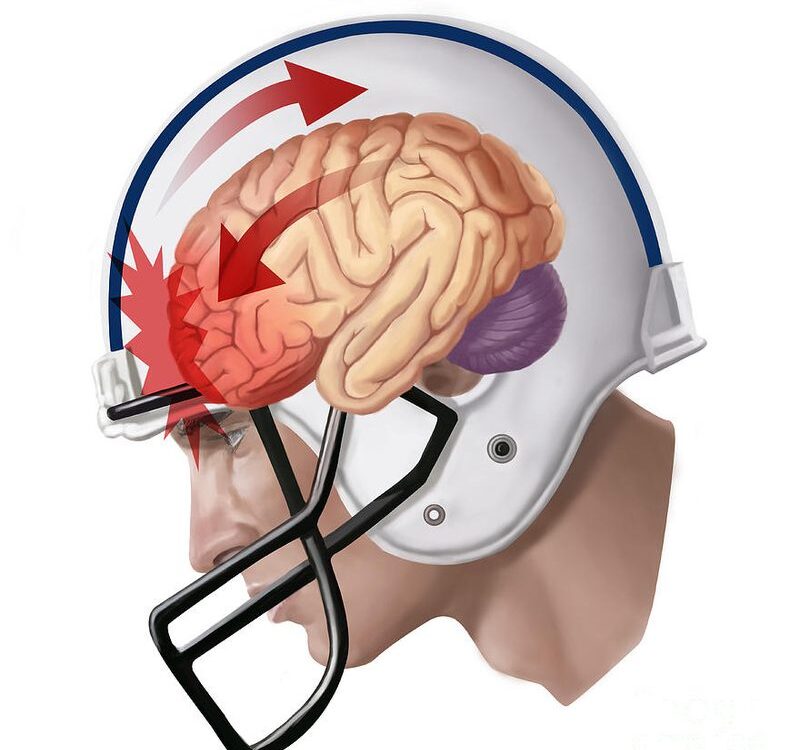
Concussion is the injury modern sport takes most seriously. A blow to the head that once earned a smelling-salt and a pat on the back now triggers standardised assessments, mandatory stand-downs and graduated return protocols. The science of brain injury has transformed sideline medicine across cricket, football, rugby and beyond. This is how concussions are recognised, managed and rehabilitated today.
What is a concussion?
A concussion is a traumatic brain injury caused by a blow to the head or body that transmits force to the brain, disrupting its function temporarily. It does not require a direct hit to the head, a whiplash tackle can suffice, and it does not require loss of consciousness; most concussions involve no blackout. Symptoms span headache, dizziness, confusion, memory gaps, balance problems, sensitivity to light and noise, and mood changes. Symptoms can be delayed for hours, which is why observation matters. The critical fact is that concussion is a functional injury, not a structural one: standard brain scans are usually normal, so diagnosis rests on clinical assessment, not imaging.
How are concussions recognised on the field?
Recognition starts with visible signs: a player slow to rise, clutching the head, unsteady on the feet, blank-faced or confused. Teammates, officials and video reviewers all play a role; many sports now employ spotters watching broadcast feeds for head impacts. The mantra is if in doubt, sit them out: any suspected concussion means immediate removal for assessment, no exceptions. Sports have introduced concussion substitutes, in cricket and football, so teams are not punished competitively for protecting players. This cultural shift, from playing through head knocks to mandatory assessment, is among the most important safety advances in modern sport.
What happens in a head injury assessment?
The removed player undergoes a standardised Head Injury Assessment, typically using the SCAT6 tool: symptom checklists, cognitive tests of memory and concentration, balance assessments and neurological screening. In cricket, the assessment occurs off the field with a like-for-like substitute permitted; in football, the team doctor evaluates on the sideline with a temporary substitution. Baseline testing in pre-season gives doctors comparison data. If the assessment confirms concussion, or if doubt remains, the player takes no further part in the match. The assessment is deliberately conservative: it is designed to catch concussions, accepting that some non-concussed players will be removed as the price of safety.
What is the graduated return-to-play protocol?
Return to play follows a stepwise protocol, each stage lasting at least 24 hours and requiring the athlete to remain symptom-free before progressing:
- Rest: 24 to 48 hours of relative rest, limiting screen time and cognitive load.
- Light activity: gentle walking and daily activities that do not provoke symptoms.
- Aerobic exercise: light jogging or stationary cycling without head impact.
- Sport-specific training: running drills and skills without contact.
- Full-contact practice: normal training, medically cleared.
- Return to competition: match play, only after medical sign-off.
Any symptom recurrence sends the athlete back a stage. Minimum stand-down periods apply: typically 12 days in elite protocols, longer for young athletes. The days of returning the next week are over.
Why is second-impact syndrome so feared?
The gravest acute risk is second-impact syndrome: a second concussion before the first has healed can cause rapid, catastrophic brain swelling, sometimes fatal. It is rare but devastating, and it is the medical reason behind mandatory stand-downs. Longer-term, research links repeated head impacts to chronic traumatic encephalopathy, the degenerative brain disease found in contact-sport athletes, driving rule changes across sports: limits on heading in youth football, concussion substitutes, and modified tackling laws in rugby. The science is still evolving, but the precautionary direction is settled: brains get maximum protection.
How are concussions prevented?
Prevention combines technique, rules and equipment. Coaching safe technique, tackling with the head correctly positioned, falling safely, reduces risk. Rule changes, from cricket’s concussion substitutes to rugby’s tackle-height laws, engineer danger out of the game. Helmets prevent skull fractures and cuts but do not prevent concussion, because the brain still moves inside the skull; no helmet can stop that physics. Mouthguards may modestly reduce risk. Neck strengthening shows promise in reducing head acceleration. Ultimately, the most effective prevention is cultural: sports where athletes report symptoms honestly and are praised for doing so protect brains better than any equipment.
FAQs
How long do concussion symptoms last? Most resolve within two to four weeks with proper management; persistent symptoms require specialist care.
Can you play on after a head knock? No. Any suspected concussion requires immediate removal and assessment; playing on risks catastrophic second-impact injury.
Do helmets prevent concussion? Helmets prevent skull fractures but cannot stop the brain moving inside the skull, so they reduce but do not eliminate concussion risk.
From sideline spotters to graduated protocols, concussion management is modern sport’s safety revolution. The message is simple and absolute: when the head is hurt, the game stops.
Source: Concussion in Sport Group consensus statement

Khabar 24h Editorial Desk — our explainers are prepared by the Khabar 24h editorial team using AI-assisted research tools, and every piece is reviewed by a human editor before publishing. We do not claim original reporting: our work is turning complex topics into simple, accurate summaries. Spotted an error? Write to contact@khabar24h.com — our corrections policy aims for same-day review.
More from this author →