US Congress Explained: How the Senate and House of Representatives Differ
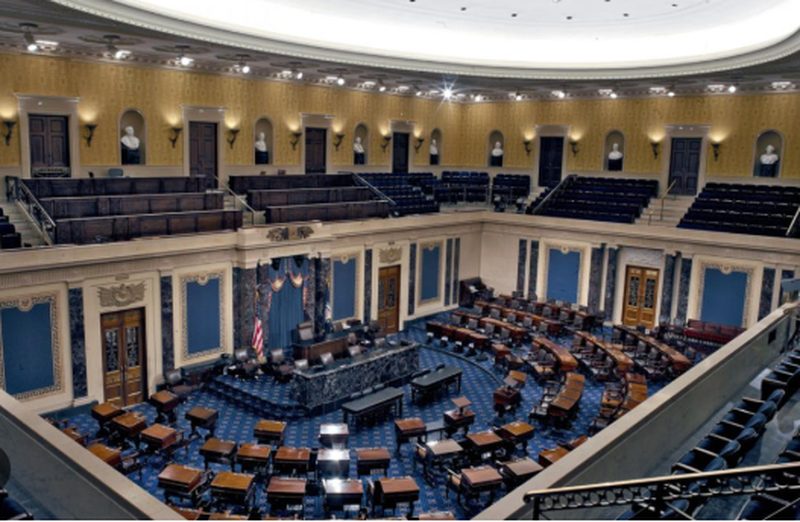
The United States Congress is the legislative branch of the American federal government, and it is deliberately divided into two chambers with different characters: the House of Representatives, large and closely tied to popular mood, and the Senate, small and designed for deliberation. The differences between them shape everything from how laws are made to how presidents are checked. Here is how the two chambers differ and why.
Size, terms and constituencies
The House has 435 members, apportioned among states by population, each representing a congressional district of roughly 760,000 people and serving two-year terms. The Senate has 100 members, two per state regardless of size, serving staggered six-year terms, with a third facing election every two years. The contrast is intentional: the House mirrors the nation’s shifting moods, while the Senate’s longer terms and state-based equality insulate it from momentary passions and protect small states.
The Great Compromise behind the design
Bicameralism was the Constitutional Convention’s solution to the large-state versus small-state conflict. The Connecticut Compromise gave population-based representation in the House and equal state representation in the Senate, a bargain without which the Constitution might never have been ratified. The Senate was originally chosen by state legislatures, not voters, until the 17th Amendment introduced direct election in 1913. The design reflects federalism itself: the House represents the people, the Senate represents the states as political communities.
How their powers differ
The chambers share legislative power: most bills must pass both in identical form. But each has exclusive prerogatives. The House alone initiates revenue bills and impeaches federal officials; the Senate alone confirms presidential appointments and ratifies treaties by a two-thirds vote, and tries impeachments. The Senate’s advice-and-consent power over judges, cabinet secretaries and ambassadors makes it the more powerful check on the presidency, while the House’s control of the purse gives it primacy in fiscal matters.
Culture: majoritarian versus supermajoritarian
The House operates by majority rule, with the Speaker and majority party controlling the agenda tightly. The Senate is supermajoritarian by tradition: the filibuster lets a minority block most legislation unless 60 senators vote to end debate, giving individual senators extraordinary leverage. Senators cultivate personal brands and maverick reputations; House members are more party-disciplined. The result is that the House acts quickly and the Senate deliberates slowly, which is precisely what the framers intended.
How a bill navigates both chambers
Legislation must run a double gauntlet: committee scrutiny, floor debate and passage in one chamber, then the same in the other, with a conference committee reconciling differences. Either chamber can kill a bill by inaction, and the Senate’s filibuster means most major legislation needs a supermajority. This obstacle course is why American lawmaking is famously difficult: the system was designed to make action hard and to force broad consensus, a design that produces gridlock when consensus collapses. Presidential vetoes add a final hurdle: Congress can override only with two-thirds majorities in both chambers, a threshold rarely met.
Congressional oversight of the executive
Beyond lawmaking, Congress checks the presidency through oversight: committee investigations, subpoena powers, budgetary control, and the ultimate weapons of impeachment and the power of the purse. A hostile Congress can paralyse a presidency, as divided government repeatedly demonstrates. The Senate’s confirmation power extends this check into the judiciary and the executive branch’s staffing, making congressional majorities as consequential as the presidency itself.
Parties and leadership
Congressional parties are disciplined but decentralised: the Speaker, the Senate Majority Leader and committee chairs wield immense agenda power, yet individual members, needing only their own electorate’s approval, frequently defy leadership. Primary elections make members answerable to activists rather than party bosses, weakening party cohesion compared to parliamentary systems and empowering ideological factions.
FAQs
Which chamber is more powerful? Neither overall; the Senate dominates appointments and treaties, the House dominates revenue, and both must agree on legislation.
What is the filibuster? The Senate practice of extended debate to block a vote, which can only be ended by 60 votes, effectively requiring supermajorities for most bills.
How are House seats apportioned? By population after each ten-year census, with each state guaranteed at least one seat.
The House and Senate embody America’s double theory of representation: government of the people, filtered through government of the states, with the friction between them a deliberate feature of the design.
Compiled by the Khabar 24h Editorial Desk from publicly available sources.

Khabar 24h Editorial Desk — our explainers are prepared by the Khabar 24h editorial team using AI-assisted research tools, and every piece is reviewed by a human editor before publishing. We do not claim original reporting: our work is turning complex topics into simple, accurate summaries. Spotted an error? Write to contact@khabar24h.com — our corrections policy aims for same-day review.
More from this author →