The WTO Explained: How Global Trade Disputes Are Settled
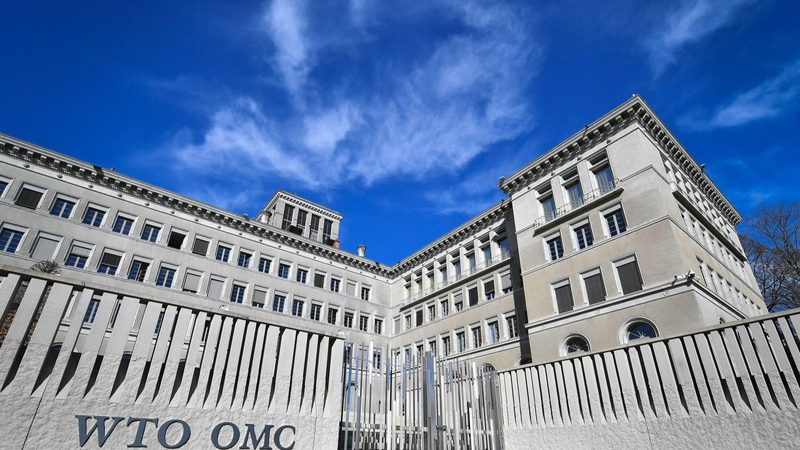
The World Trade Organization, headquartered in Geneva, is the referee of global commerce: 166 member countries bound by rules covering 98 per cent of world trade. Its dispute-settlement system was once called the crown jewel of international law — a court where small countries could beat superpowers. Then the United States paralysed it, and the WTO entered an existential crisis from which it has only partly recovered. Here is how the system was built, how it broke, and what survives.
From GATT to the WTO
The WTO was born in 1995 from the Uruguay Round of negotiations under the General Agreement on Tariffs and Trade, which since 1948 had steadily cut tariffs through negotiated rounds. The WTO went further: it created a permanent organisation, extended rules to services and intellectual property, and — crucially — built a binding dispute-settlement system. The 1990s and 2000s were its golden age, as China joined in 2001 and global trade boomed. The Doha Round, launched in 2001 to help developing countries, collapsed amid US-EU-India disagreements, and no major round has succeeded since.
How do trade disputes get settled?
The process is quasi-judicial and remarkably effective in design. A complaining country first seeks consultations; if those fail, a panel of experts hears the case and issues a ruling; either side can appeal to the Appellate Body, whose decision is final. Losers must comply or face authorised retaliation — the winner may impose tariffs on the loser’s goods. Landmark rulings struck down American steel safeguards, European banana preferences and Chinese export restrictions alike. For smaller nations, the system was revolutionary: Antigua won a gambling case against the United States, proving the rules bound the mighty too.
Why did the US break the Appellate Body?
Beginning in 2017, Washington blocked appointments to the Appellate Body, arguing it had overreached — creating law rather than interpreting it, ignoring deadlines and second-guessing American trade remedies. By December 2019 the Body fell below the three members needed to hear appeals, and dispute settlement lost its final tier: losing parties can now appeal into the void, freezing cases indefinitely. The Biden administration kept the block in place, and the paralysis persists. Dozens of members created a stopgap — the Multi-Party Interim Appeal Arrangement — but the system’s crown jewel remains broken.
What does the WTO still do?
Reports of the WTO’s death are exaggerated: its day-to-day machinery hums on.
- Rulebook: existing agreements still govern tariffs, subsidies and standards for nearly all world trade.
- Monitoring: the WTO tracks protectionism and reviews members’ trade policies, providing transparency.
- Negotiation: smaller deals still land — the 2022 fisheries-subsidies agreement was the first new multilateral pact in years.
- Panels: first-stage dispute panels still function; only appeals are paralysed.
- Reform push: members debate Appellate Body revival, but US demands for fundamental change make restoration elusive.
The deeper crisis is political, not procedural: the WTO was built for an era of American-led globalisation, and that era has frayed. Industrial policy, digital trade, climate tariffs and great-power rivalry all strain rules written for a simpler world. Whether the WTO adapts or fades into a monitoring body with a broken court is the central question of the global trading system.
India and the WTO: Doha’s deal-breaker
India has been the WTO’s most consequential developing-country voice — and its most frequent deal-breaker. New Delhi torpedoed the Doha Round’s 2008 climax over farm safeguards, insisting on the right to protect hundreds of millions of subsistence farmers from import surges, and later blocked the Trade Facilitation Agreement until its food-security stockholding was protected. The 2013 Bali package finally secured a peace clause for India’s food subsidies. For India, the WTO is the forum where the development dimension of trade is fought for; for its critics, New Delhi’s defensiveness has helped paralyse the institution. Both readings contain truth.
FAQs
How many countries are in the WTO?
166 members covering about 98 per cent of world trade; a few states, including some in Central Asia and the Middle East, remain outside.
Why is the Appellate Body not functioning?
The United States has blocked new appointments since 2017, arguing the Body overreached its mandate; without enough judges it cannot hear appeals.
Can countries just ignore WTO rulings?
Winners can be authorised to retaliate with tariffs, which gives rulings teeth — but with appeals frozen, losing parties can stall cases indefinitely.
Compiled by the Khabar 24h Editorial Desk from publicly available sources.

Khabar 24h Editorial Desk — our explainers are prepared by the Khabar 24h editorial team using AI-assisted research tools, and every piece is reviewed by a human editor before publishing. We do not claim original reporting: our work is turning complex topics into simple, accurate summaries. Spotted an error? Write to contact@khabar24h.com — our corrections policy aims for same-day review.
More from this author →