Freebies vs Welfare: The Politics of Subsidies in Indian Elections
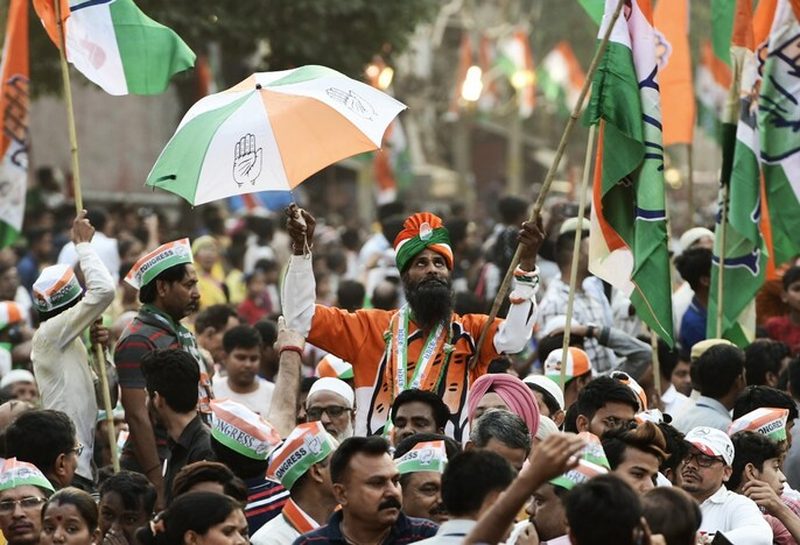
Every Indian election now features a bidding war of promises: free electricity, cash transfers to women, free bus rides, loan waivers, laptops for students. Critics call them freebies — fiscally reckless bribes that distort democracy. Defenders call them welfare — the state’s duty to its poorest, delivered directly. The Election Commission, the Supreme Court and the RBI have all weighed in. This explainer unpacks the freebies-versus-welfare debate.
What counts as a freebie?
The definitional battle is the whole debate. Tamil Nadu pioneered the politics: free TVs, grinders and laptops as poll promises from the 2000s. Today’s menu spans free power (Punjab, Delhi), cash transfers to women (Madhya Pradesh’s Ladli Behna, Maharashtra’s Ladki Bahin), free bus travel for women (Delhi, Karnataka), farm loan waivers (UP, Maharashtra) and free rations (the central PMGKAY covering 800 million). Economists distinguish merit goods — education, health, nutrition, which build human capital — from non-merit freebies that merely transfer consumption. But the line blurs: is free electricity for farmers a subsidy or survival?
Why do parties promise them?
Because they work. Direct-benefit politics transformed Indian elections: voters, especially women, reward tangible transfers they can feel. Tamil Nadu’s Dravidian parties proved the model; Arvind Kejriwal’s Delhi victories ran on free water, power and bus rides; the BJP combined free rations with Hindutva nationally. The political logic is impeccable: promises are cheap to make, benefits are visible, and opponents who criticise freebies look anti-poor. Once one party bids, others must match — the competitive dynamic now drives every state election.
What are the economic concerns?
The fiscal warnings are serious. State finances: free power bleeds electricity distribution companies, already drowning in losses; Punjab and Himachal Pradesh face debt stress partly from subsidy burdens. Distortion: free water and power encourage wasteful use — Punjab’s depleting aquifers are the cautionary tale. Opportunity cost: revenue spent on transfers cannot build schools or hospitals. Dependency: critics warn of a culture where elections become auctions. The RBI has flagged that several states’ subsidy bills are fiscally unsustainable, and the Supreme Court in 2022 called freebies a serious issue, asking the EC to act.
What is the defence?
Welfare economists counter powerfully. In a country with vast poverty, transfers are not bribes but redistribution — the state’s basic job. Cash to women increases bargaining power and nutrition; free transport expands women’s workforce participation; rations prevented hunger during Covid. The amounts, defenders note, are modest beside corporate tax write-offs critics never call freebies. And democratic theory: if voters choose transfers, that is their sovereign right — second-guessing it is elitist.
- The fiscal middle path: cap subsidies as a share of revenue, fund them transparently, sunset the wasteful ones.
- Merit targeting: prioritise education, health and nutrition over consumption freebies.
- EC’s role: the Commission now asks parties to disclose the financial implications of promises.
- Voter wisdom: electorates increasingly distinguish credible delivery from empty promises.
The freebies debate is really about what the Indian state is for: night-watchman or provider, fiscal puritan or redistributor. Elections will keep answering that question one promise at a time.
The Tamil Nadu laboratory
No state shaped freebie politics like Tamil Nadu. From the 2006 free colour TVs to grinders, laptops and gold for brides, the DMK-AIADMK rivalry turned elections into auctions of household goods — and both parties kept winning, proving voters reward delivery. The state’s finances survived because Tamil Nadu is rich and industrialised; poorer states copying the menu face harsher arithmetic. The laboratory’s lesson: freebies are sustainable where the economy funds them, ruinous where it cannot — a distinction competitive politics ignores.
Gender and the new welfare voter
The most striking recent shift is the rise of women as a welfare constituency. Cash transfers to women — Ladli Behna in MP, Ladki Bahin in Maharashtra — are credited with swinging elections, as women vote at rates matching or exceeding men. Parties now design schemes explicitly for female voters: free bus travel, cooking-gas subsidies, direct cash. The gendered welfare race may be reshaping Indian politics more than any caste realignment — a new vote bank built on direct benefits rather than identity.
FAQs
What is the difference between a freebie and welfare?
Economists distinguish merit goods (education, health) that build capacity from non-merit transfers that only fund consumption — though the boundary is politically contested.
Has the Supreme Court banned freebies?
No. In 2022 it called them a serious issue and sought EC action, but stopped short of a ban, recognising welfare’s legitimacy.
Do freebies actually win elections?
Evidence suggests targeted transfers — especially to women — significantly help, which is why every major party now competes on direct-benefit promises.
Source: Reserve Bank of India reports

Khabar 24h Editorial Desk — our explainers are prepared by the Khabar 24h editorial team using AI-assisted research tools, and every piece is reviewed by a human editor before publishing. We do not claim original reporting: our work is turning complex topics into simple, accurate summaries. Spotted an error? Write to contact@khabar24h.com — our corrections policy aims for same-day review.
More from this author →