The Missing Census: Why India Hasn’t Counted Itself Since 2011, and What That Breaks
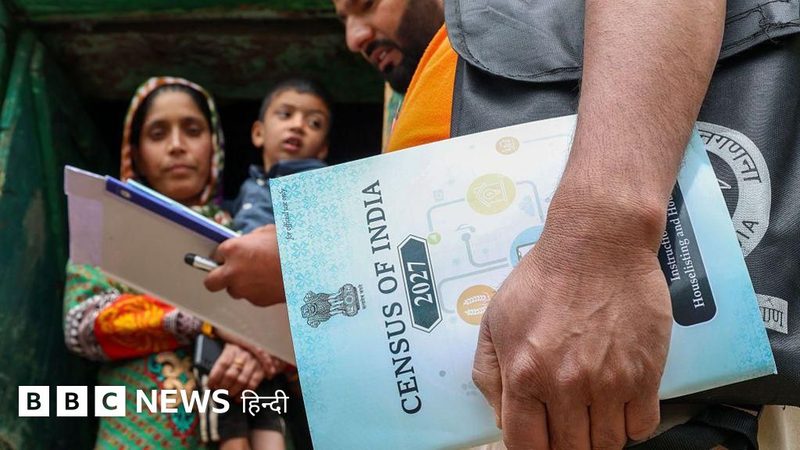
The Census is the foundation of the Indian state: it decides how parliamentary seats are allocated, how funds are distributed to states, who counts as poor, and where schools and hospitals get built. India has conducted a census every decade since 1881, through wars, partitions and pandemics. Then the 2021 Census didn’t happen. First delayed by the COVID-19 pandemic, then postponed repeatedly, the count has now been delayed by half a decade, the longest gap in the exercise’s history. The government has announced that the next Census, including caste enumeration, will be conducted in 2027. This explainer looks at why the count stopped, what its absence breaks, and what comes next.
Why the Census was delayed
The 2021 Census was in advanced preparation when the pandemic struck: house-listing was scheduled for 2020, with the main count in 2021. The lockdowns made the door-to-door exercise impossible, and the government postponed it. But as the pandemic receded, the Census did not resume. Official explanations cited the need for updated administrative preparations; critics alleged political reluctance, pointing to the sensitive questions a fresh count would raise: the delimitation of parliamentary seats, the caste census demand, and data that might contradict official narratives on growth and welfare. Whatever the reasons, the delay stretched from months to years, breaking a 150-year rhythm.
What the missing Census breaks
The damage is systemic. Welfare targeting still runs on 2011 data: the food security law’s beneficiary counts, based on decade-old population figures, exclude crores who should be covered, a distortion the Supreme Court has flagged. Delimitation of Lok Sabha and assembly seats, frozen until after the next Census, hangs over federal politics. Economic statistics, from poverty estimates to the sampling frames of national surveys, rest on an outdated base. Researchers call it flying blind: policy made on a population of 121 crore when the real number is near 145 crore. Every year of delay compounds the error, as migration, urbanisation and demographic change go unmeasured.
The caste question
The government’s announcement that the 2027 Census will include caste enumeration resolved one of the longest-running demands in Indian politics. The last caste census was in 1931; the Socio-Economic Caste Census of 2011 collected the data but never released usable caste tables. Including caste in the decennial count is administratively complex, requiring enumerators to record thousands of caste names accurately, but politically transformative: the data will reshape reservation debates, welfare targeting and electoral strategies. The decision ended years of agitation but opened new controversies about methodology and use.
How the next Census will work
The 2027 Census will be India’s first digital census: enumerators will use mobile apps, and citizens will have the option of self-enumeration. The exercise has two phases: house-listing and housing census, then population enumeration. The digital shift promises faster processing and fewer errors, but raises concerns about data security and the digital divide in enumeration. The scale remains staggering: nearly 30 lakh enumerators visiting every household in the country. Preparation, from updating administrative boundaries to training enumerators, is itself a multi-year project.
What rides on the count
The 2027 Census will be the most consequential in decades. Its population figures will trigger the long-frozen delimitation, redrawing parliamentary representation and potentially shifting power toward the faster-growing northern states, a prospect southern states view with alarm. Its caste data will reframe the reservation debate. Its migration and urbanisation data will reshape urban policy. And its basic headcount will finally let welfare schemes cover the people who actually exist. The delay was costly; the count, when it comes, will be political dynamite. That may be exactly why it took so long.
FAQs
When was India’s last Census? 2011. The 2021 Census was postponed due to COVID-19 and delayed for years afterward.
When is the next Census? The government has announced the next Census for 2027, to be conducted digitally and to include caste enumeration.
Why does the delay matter? Welfare targeting, parliamentary delimitation, economic statistics and policy planning all depend on current population data; 2011 figures grow more outdated each year.
A country that cannot count itself cannot govern itself well. The 2027 Census will end the longest blind spot in India’s statistical history, and open the most consequential political debates in decades.
Compiled by the Khabar 24h Editorial Desk from publicly available sources.

Khabar 24h Editorial Desk — our explainers are prepared by the Khabar 24h editorial team using AI-assisted research tools, and every piece is reviewed by a human editor before publishing. We do not claim original reporting: our work is turning complex topics into simple, accurate summaries. Spotted an error? Write to contact@khabar24h.com — our corrections policy aims for same-day review.
More from this author →