India’s Nuclear Power Programme: PHWRs, Fast Breeders, and the Thorium Bet
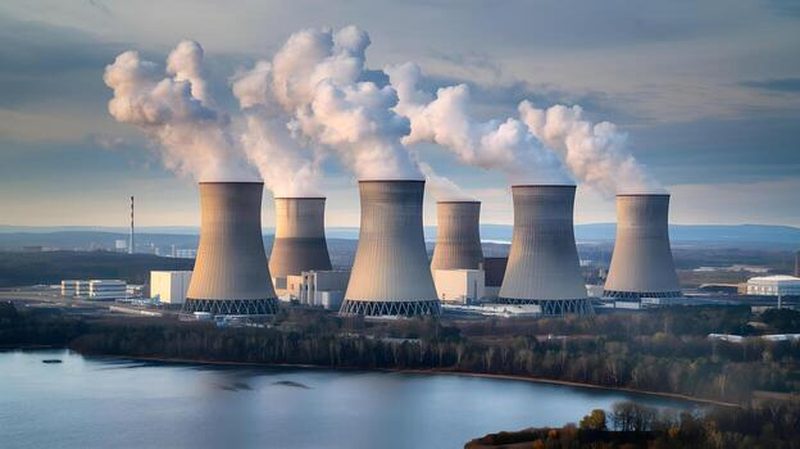
India’s nuclear power programme is unlike any other in the world. Denied access to international nuclear trade for decades after its 1974 test, India built an indigenous programme around the one fuel it had in abundance: thorium, not uranium. The result is a three-stage strategy conceived by Homi Bhabha himself: pressurised heavy water reactors burning natural uranium today, fast breeder reactors multiplying fuel tomorrow, and thorium-based reactors eventually delivering energy independence. With two dozen reactors operating and ambitious expansion targets, the programme is entering a new phase of scale. This explainer unpacks the three stages and where each stands.
Stage one: the PHWR fleet
The workhorse of Indian nuclear power is the Pressurised Heavy Water Reactor, a Canadian-derived design that India indigenised and scaled. PHWRs burn natural uranium, which India has in modest quantities, and produce plutonium as a byproduct. The Nuclear Power Corporation operates a fleet of these reactors at sites like Tarapur, Rawatbhata, Kaiga and Kakrapar, with the indigenous 700 MW design now the standard for new builds. Ten new 700 MW PHWRs were approved in fleet mode, a single approval for mass construction that cuts costs through standardisation. PHWRs are proven, safe and increasingly Indian in their supply chain, and they form the foundation on which the later stages rest.
Stage two: fast breeders
Fast breeder reactors are the programme’s second act. A breeder burns plutonium recovered from the spent fuel of PHWRs and, in doing so, breeds more fissile material than it consumes, effectively multiplying India’s limited uranium many times over. The Prototype Fast Breeder Reactor at Kalpakkam, a 500 MW sodium-cooled design, is the technology demonstrator, built after decades of research at the Indira Gandhi Centre for Atomic Research. Fast breeders are among the most challenging reactor technologies in the world: liquid sodium coolant, which burns on contact with air and explodes with water, demands exquisite engineering. Only Russia operates commercial-scale breeders today; India’s entry into this club would be a major technological milestone.
Stage three: the thorium bet
Thorium is the programme’s endgame. India holds some of the world’s largest thorium reserves, in the monazite sands of Kerala and Odisha, but thorium is not directly fissile: it must first be converted into uranium-233 inside a reactor. The third stage envisages reactors, including advanced heavy water reactors and eventually thorium-fuelled systems, that burn uranium-233 bred in the second stage, closing the cycle. The Advanced Heavy Water Reactor, designed at BARC, is meant to demonstrate thorium utilisation. The thorium dream has been “decades away” for decades, and sceptics note that the world has largely moved to uranium-based once-through cycles; but for a country with abundant thorium and limited uranium, the logic of the bet has never been stronger.
Where the programme stands
Nuclear power currently supplies only about 3 per cent of India’s electricity, from an installed capacity of under 9 GW. The government’s target is 100 GW by 2047, a more than tenfold expansion that would make nuclear a major pillar of clean electricity. Achieving it requires building at a pace India has never managed: the 700 MW PHWR fleet is the near-term engine, with fast breeders and eventually thorium systems to follow. Private sector participation, long prohibited, is being opened up through amendments to the atomic energy laws, and small modular reactors are under discussion. The constraints are familiar: financing, project management, public acceptance after Fukushima, and the sheer industrial effort of building dozens of reactors.
Nuclear in the energy mix
Nuclear’s case rests on its unique combination: firm, round-the-clock, carbon-free power that complements intermittent solar and wind. As India pushes toward 500 GW of non-fossil capacity, nuclear offers the baseload that batteries cannot yet cheaply provide. Its challenges are cost and speed: Indian PHWRs are among the cheapest nuclear builds in the world, but they are still costlier than solar per unit, and construction timelines stretch over many years. The programme’s future will be decided by whether the fleet-mode PHWR build demonstrates that India can deliver reactors on time and on budget, at scale.
FAQs
What are the three stages of India’s nuclear programme? Stage 1: PHWRs burning natural uranium; Stage 2: fast breeders multiplying plutonium; Stage 3: thorium-based reactors for long-term energy independence.
Why thorium? India has limited uranium but among the world’s largest thorium reserves; the three-stage plan was designed to eventually run on thorium.
How much nuclear power does India have? Under 9 GW operating, about 3 per cent of electricity, with a target of 100 GW by 2047.
Bhabha’s three-stage vision was drawn up when India had nothing: no uranium, no technology, no suppliers. That it survives, and is finally scaling, is a testament to one of the longest bets in the history of energy.
Compiled by the Khabar 24h Editorial Desk from publicly available sources.

Khabar 24h Editorial Desk — our explainers are prepared by the Khabar 24h editorial team using AI-assisted research tools, and every piece is reviewed by a human editor before publishing. We do not claim original reporting: our work is turning complex topics into simple, accurate summaries. Spotted an error? Write to contact@khabar24h.com — our corrections policy aims for same-day review.
More from this author →