Osteoarthritis vs Rheumatoid Arthritis: Types of Arthritis Explained
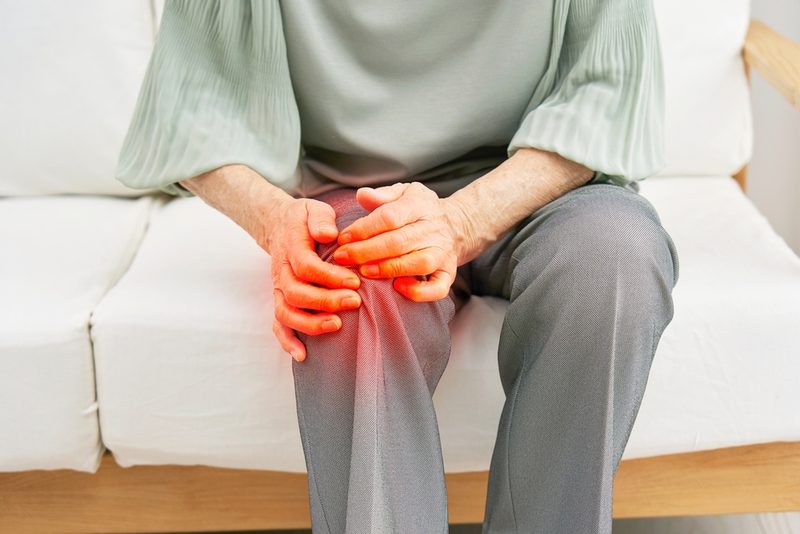
Arthritis is not one disease but an umbrella term for over a hundred conditions that inflame or damage joints. In India, where knee pain is almost a rite of passage after 50, two types dominate the conversation: osteoarthritis, the wear-and-tear arthritis, and rheumatoid arthritis, the autoimmune one. They sound similar, both cause joint pain and stiffness, but they differ profoundly in cause, pattern, treatment and outlook. Confusing them leads to wrong treatment. This guide explains both, how to tell them apart, and the other important types every family should know.
Osteoarthritis: the wear-and-tear arthritis
Osteoarthritis (OA) is the commonest arthritis worldwide and the reason for most knee replacements in India. It results from gradual breakdown of cartilage, the cushioning tissue in joints, combined with changes in underlying bone. Risk factors include age, obesity (each extra kilo multiplies knee load), previous joint injury, physically demanding work like squatting and kneeling, and genetics. Pain typically worsens with activity and eases with rest; stiffness is brief in the morning, usually under 30 minutes. Knees, hips, hands and spine are typical targets, often asymmetrically. Diagnosis is clinical with X-rays showing joint space narrowing and bony spurs. Treatment centres on weight loss, quadriceps strengthening, low-impact exercise, painkillers used judiciously, and joint replacement when pain destroys quality of life despite conservative care.
Rheumatoid arthritis: the immune system attacking joints
Rheumatoid arthritis (RA) is fundamentally different: an autoimmune disease where the immune system attacks the joint lining (synovium), causing inflammation that can destroy cartilage and bone. It typically strikes between 30 and 60, affects women two to three times more often, and favours small joints, fingers, wrists, toes, symmetrically on both sides. Morning stiffness lasting over an hour is characteristic, and fatigue, low-grade fever and weight loss often accompany it. Blood tests show rheumatoid factor or anti-CCP antibodies in most patients, and inflammation markers run high. The critical difference: RA needs early, aggressive treatment with disease-modifying drugs (DMARDs like methotrexate, and biologics) to prevent irreversible joint damage; painkillers alone allow destruction to proceed silently. Modern treatment, started early, puts most patients into remission.
Key differences at a glance
The two can be distinguished by pattern.
- Cause: mechanical degeneration in OA versus autoimmune inflammation in RA.
- Onset age: usually after 50 in OA, often 30 to 60 in RA.
- Joints: large weight-bearing joints, often asymmetric, in OA; small joints, symmetric, in RA.
- Morning stiffness: brief (under 30 minutes) in OA, prolonged (over an hour) in RA.
- Pain pattern: worse with use in OA, worse with rest and better with movement in RA.
- Systemic features: absent in OA, common (fatigue, fever) in RA.
- Treatment goal: symptom control and function in OA, halting disease in RA.
Both can deform hands in advanced stages, but the deformities differ, and only RA threatens joints throughout the body simultaneously.
Other important types
Beyond the big two, several deserve mention. Gout, caused by uric acid crystals, strikes with sudden, exquisitely painful attacks, often the big toe, and is highly treatable with medicines that lower uric acid. Psoriatic arthritis accompanies the skin disease psoriasis. Ankylosing spondylitis inflames the spine and sacroiliac joints, typically in young men with morning back stiffness that improves with exercise. Septic arthritis, bacterial infection of a joint, is a red-flag emergency with hot, swollen, feverish joints needing urgent drainage and antibiotics. Lupus and other connective tissue diseases cause their own arthritic patterns. Any hot, acutely swollen single joint with fever should be evaluated urgently, not massaged at home.
Living well with arthritis
Across types, certain principles hold. Stay active: strong muscles protect joints, and inactivity stiffens them; walking, swimming, cycling and tailored physiotherapy suit most. Maintain healthy weight: for knees, every kilo lost unloads several kilos of joint force. Use heat for stiffness and cold for acute swelling. Assistive devices, walking sticks, raised toilet seats, ergonomic tools, preserve independence without shame. For RA specifically, never delay DMARDs and never stop them when feeling better; silent damage continues. For OA, topical NSAIDs give local relief with fewer systemic risks than tablets. And treat the whole person: chronic joint pain breeds depression and sleep loss, which amplify pain perception, so mood and sleep care are part of arthritis care.
FAQs
Does cracking knuckles cause arthritis? No. Studies find no link between habitual knuckle cracking and arthritis of any type.
Are arthritis medicines harmful for kidneys? Long-term NSAID use can affect kidneys and stomach, which is why they should be used at the lowest effective dose under supervision; DMARDs need monitoring too, but their benefit in RA far outweighs managed risk.
Can diet cure arthritis? No diet cures arthritis, but healthy weight and anti-inflammatory eating patterns reduce symptoms, while no supplement replaces proven medicines.
Osteoarthritis and rheumatoid arthritis share a name and little else: one is mechanical wear needing protection and strengthening, the other an immune fire needing early suppression. Telling them apart, treating each correctly and staying mobile despite them, is how joints are preserved for the decades they must serve.
Compiled by the Khabar 24h Editorial Desk from publicly available sources.

Khabar 24h Editorial Desk — our explainers are prepared by the Khabar 24h editorial team using AI-assisted research tools, and every piece is reviewed by a human editor before publishing. We do not claim original reporting: our work is turning complex topics into simple, accurate summaries. Spotted an error? Write to contact@khabar24h.com — our corrections policy aims for same-day review.
More from this author →