Insomnia: Why You Can’t Fall Asleep and the Evidence-Based Fixes
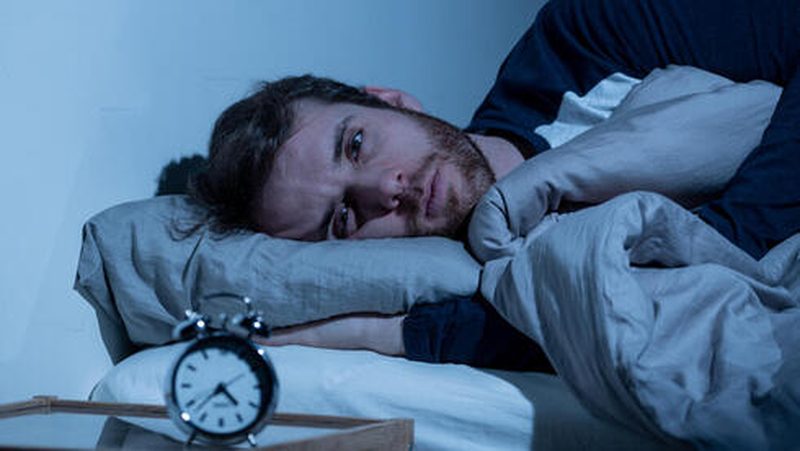
Lying awake at 2 am, mind racing while the world sleeps, is an experience most Indians know too well. Insomnia, persistent difficulty falling asleep, staying asleep or waking unrefreshed, affects a large share of adults, and its prevalence has climbed with smartphones, shift work, stress and the erosion of sleep routines. The consequences leak into every domain: impaired concentration, irritability, weakened immunity, weight gain, and higher risks of hypertension, diabetes, depression and accidents. Sleeping pills offer tempting shortcuts but bring dependence and next-day grogginess. The good news: the most effective insomnia treatment is not a drug at all but a structured behavioural programme with excellent evidence. Understanding why sleep fails is the first step to fixing it.
Why you cannot fall asleep
Insomnia has two engines: hyperarousal and bad conditioning. Hyperarousal means the nervous system stays in daytime alert mode at night, driven by stress, anxiety, caffeine, screens and irregular schedules; the harder you try to sleep, the more awake you become, a cruel paradox every insomniac knows. Conditioning means the bed becomes associated with wakefulness: after weeks of tossing in bed, the brain learns bed equals frustration, and sleepiness evaporates on contact with the pillow. Medical contributors include sleep apnoea, restless legs, chronic pain, thyroid disorders, depression and anxiety, and medicines like certain antidepressants, steroids and decongestants. Ageing lightens sleep naturally. Identifying which engines drive your insomnia shapes the fix.
Habits that fuel insomnia
Modern life is an insomnia generator. Caffeine after noon, chai at 6 pm counts, blocks sleep pressure for hours. Alcohol, though sedating initially, fragments sleep and causes 3 am awakenings. Screens in bed flood the eyes with alerting light and the mind with stimulation. Irregular schedules, weekend lie-ins shifting the body clock, confuse circadian rhythm. Daytime napping, especially long or late naps, steals night-time sleepiness. Vigorous late-evening exercise, heavy late dinners, and clock-watching all feed the cycle. Perhaps most damaging is the anxiety about sleep itself: dreading bedtime becomes a self-fulfilling prophecy. Most insomniacs can identify three or four of these in their own routine, which is encouraging, because each is fixable.
The gold standard: CBT-I
Cognitive Behavioural Therapy for Insomnia is the first-line treatment in every major guideline, outperforming sleeping pills in the long term. Its components are practical. Stimulus control rebuilds the bed-sleep association: use the bed only for sleep, go to bed only when sleepy, and if awake for 20 minutes, get up, do something calm in dim light, and return when drowsy. Sleep restriction (better called sleep consolidation) temporarily limits time in bed to actual sleep time, building powerful sleep pressure, then expands it as efficiency improves. Cognitive techniques defuse catastrophic thoughts about sleeplessness. Sleep hygiene, the habits below, supports the structure. CBT-I works in 70 to 80 per cent of patients, with benefits persisting after treatment ends, unlike pills. It is available through trained psychologists and increasingly through validated digital programmes in India.
Sleep hygiene: the foundations
These basics amplify any treatment.
- Fix the schedule: same wake time daily, weekends included; regularity anchors the body clock.
- Morning daylight: 20 to 30 minutes of outdoor light early sets the circadian rhythm.
- Caffeine curfew: no chai or coffee after noon; remember chocolate and cola too.
- Wind down: a 30 to 60 minute pre-sleep routine of dim lights, reading or gentle music.
- Cool, dark, quiet room: the bedroom as a cave; consider earplugs or eye masks.
- Exercise, but earlier: regular daytime activity deepens sleep; finish vigorous workouts 3-plus hours before bed.
- Limit naps: if needed, 20 minutes before 3 pm.
Sleeping pills: a cautious word
Hypnotics have a narrow, legitimate role: short-term crisis management, usually 2 to 4 weeks, while behavioural treatment takes hold. Beyond that, tolerance, dependence, rebound insomnia on stopping, daytime impairment and fall risk in the elderly outweigh benefits. Melatonin helps circadian timing issues like jet lag more than general insomnia, and over-the-counter antihistamine sleep aids sedate without restoring natural sleep architecture. Anyone using pills nightly for months should discuss a supervised taper combined with CBT-I with their doctor. The goal is sleeping well without chemistry, and that goal is achievable for most.
FAQs
How much sleep do adults need? Most need 7 to 9 hours; consistently under 6 is linked with health risks, though individual needs vary slightly.
Does insomnia cause health problems or just tiredness? Real problems: chronic insomnia raises risks of hypertension, diabetes, depression and impaired immunity beyond mere fatigue.
When should I see a doctor? When insomnia persists beyond a month despite good habits, causes daytime impairment, or involves snoring, gasping or restless legs suggesting apnoea or other disorders.
Insomnia feels like a broken switch, but it is usually a learned pattern, and learned patterns can be unlearned. Rebuild the bed-sleep bond, anchor your schedule, respect caffeine and light, and let CBT-I do what pills cannot: restore sleep from the inside out. The 2 am ceiling need not be your nightly companion.
Compiled by the Khabar 24h Editorial Desk from publicly available sources.

Khabar 24h Editorial Desk — our explainers are prepared by the Khabar 24h editorial team using AI-assisted research tools, and every piece is reviewed by a human editor before publishing. We do not claim original reporting: our work is turning complex topics into simple, accurate summaries. Spotted an error? Write to contact@khabar24h.com — our corrections policy aims for same-day review.
More from this author →