Asthma in Indian Children: Triggers, Inhalers and Common Myths
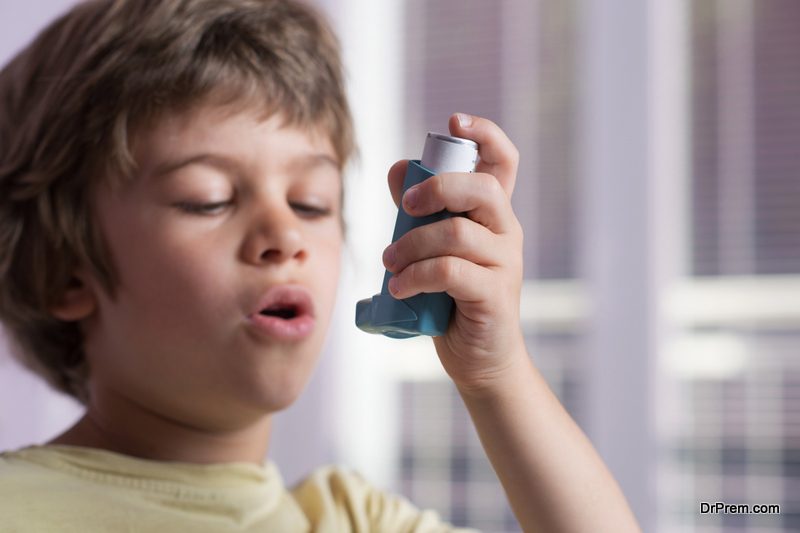
The wheezing child who coughs through the night, struggles to keep up in games and reaches for breath during a cold: asthma is now one of the commonest chronic diseases of Indian childhood, with prevalence climbing in cities on the back of air pollution, changing lifestyles and better recognition. Yet it remains one of the most mismanaged, not for lack of treatment but for lack of acceptance. Myths about inhalers, fears of steroids and the belief that children outgrow it without care lead to under-treatment, missed school and preventable emergencies. Asthma cannot be cured, but it can be controlled so completely that the child lives normally. That gap between possible and actual is what parents must close.
What asthma is
Asthma is chronic inflammation of the airways: the tubes carrying air become swollen, twitchy and narrowed, producing wheeze, cough, chest tightness and breathlessness. Triggers provoke flare-ups, but the underlying inflammation persists between episodes, which is why daily preventive treatment matters even when the child seems fine. In children, cough, especially night-time or early-morning cough and cough with colds or exercise, is often more prominent than wheeze. Diagnosis is clinical, supported by history and, in older children, spirometry (blowing tests); there is no single blood test. The good news: childhood airways are responsive, and proper treatment usually achieves full control.
Triggers in the Indian context
Knowing the child’s triggers allows avoidance that medicines alone cannot achieve.
- Air pollution: the dominant modern trigger; monitor AQI and limit outdoor play on severe days, especially around Diwali and winter.
- Dust mites: thrive in bedding; wash sheets in hot water weekly and sun mattresses.
- Viral colds: the commonest flare trigger in young children.
- Tobacco smoke: including third-hand smoke on clothes; a smoke-free home is non-negotiable.
- Exercise: paradoxically a trigger, but managed with pre-exercise inhaler use, never a reason to avoid sport.
- Allergens: pollen, mould, pet dander and cockroaches in susceptible children.
- Strong odours: incense, mosquito coils, perfumes and cleaning chemicals.
Cold air, laughter and crying can also provoke symptoms in sensitive airways.
Inhalers: how they work and why they are safe
Inhalers deliver medicine directly to the airways in microgram doses, which is precisely why they are safer than oral alternatives: tiny amounts where needed instead of large amounts everywhere. Controller inhalers contain low-dose inhaled corticosteroids that suppress airway inflammation daily; they are the foundation of control. Reliever inhalers (bronchodilators) open airways quickly during symptoms but do not treat inflammation, which is why needing the reliever often signals poor control. Spacers, holding chambers attached to metered-dose inhalers, dramatically improve drug delivery in children and are essential, not optional. Rinsing the mouth after steroid inhalers prevents oral thrush. Technique matters enormously: most treatment failures are technique failures, so every visit should include a technique check.
Myths that harm children
The myths are remarkably persistent. Inhalers are not addictive; children do not get hooked on them. Inhaled steroids do not stunt growth in any clinically meaningful way at proper doses, while uncontrolled asthma and repeated oral steroid courses genuinely impair growth. Using an inhaler is not a sign of severe or lifelong disease; it is the standard, safest treatment worldwide. Asthma is not cured by avoiding inhalers until attacks force oral steroids, which carry far worse side effects. Children do not necessarily outgrow asthma; many improve in adolescence, but airways remain sensitive. And home remedies, while comforting, cannot replace anti-inflammatory treatment during a genuine flare.
The asthma action plan
Every asthmatic child needs a written action plan from their doctor: daily controller medicines, how to recognise worsening (increased reliever use, night waking, activity limitation), what to do during flares (stepped-up treatment), and red flags for emergency care (difficulty speaking, ribs pulling in, reliever not lasting four hours, bluish lips). Schools should hold a copy with a spare reliever. Regular follow-up, every 3 to 6 months when stable, allows stepping treatment down when control is sustained. With a plan, most children play, travel and sleep normally; asthma becomes background, not foreground.
FAQs
Will my child need inhalers forever? Not necessarily. Many children step down or stop controllers after prolonged good control under medical supervision.
Can asthmatic children play sports? Absolutely. With well-controlled asthma and pre-exercise reliever use where advised, exercise improves lung function; many elite athletes have asthma.
Are nebulisers better than inhalers with spacers? For home management, inhaler-plus-spacer equals or beats nebulisers; nebulisers are for emergencies and very young infants.
Childhood asthma rewards the parents who treat it as what it is: a manageable condition with superb medicines. Learn the triggers, master the spacer, follow the action plan and discard the myths. The wheeze can fade into the background of a fully active childhood.
Compiled by the Khabar 24h Editorial Desk from publicly available sources.

Khabar 24h Editorial Desk — our explainers are prepared by the Khabar 24h editorial team using AI-assisted research tools, and every piece is reviewed by a human editor before publishing. We do not claim original reporting: our work is turning complex topics into simple, accurate summaries. Spotted an error? Write to contact@khabar24h.com — our corrections policy aims for same-day review.
More from this author →