Allergies in India: Dust, Pollen and Food Allergies Explained
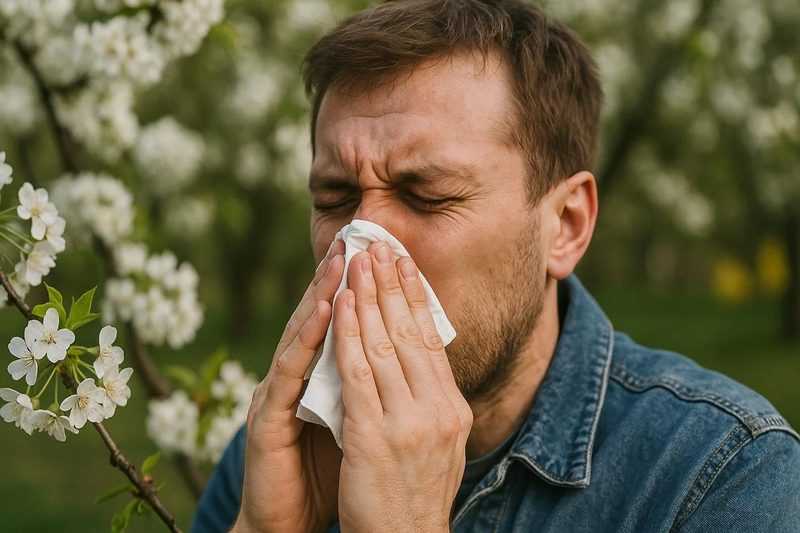
The sneezing starts with the changing season, or the new curtains, or the dusting of the house before Diwali, and it does not stop: streaming nose, itchy eyes, nights of mouth-breathing. Allergic diseases are surging across urban India, with allergic rhinitis affecting an estimated quarter or more of city dwellers and asthma, food allergies and eczema all climbing. The rise tracks urbanisation, pollution, changing diets and the hygiene hypothesis’s modern indoor lifestyles. Allergies rarely kill, but they steal sleep, productivity and quality of life on an enormous scale, and most sufferers self-treat inadequately for years before getting proper care.
What an allergy is
An allergy is the immune system misfiring: harmless substances, pollen, dust-mite droppings, food proteins, are misidentified as threats, triggering IgE antibodies, histamine release and inflammation. The reaction is swift and characteristic: sneezing, itching, watery eyes, hives, or in severe cases, anaphylaxis. This distinguishes allergy from intolerance, such as lactose intolerance, which involves digestion, not immunity, and from infections, which involve fever and coloured mucus. Understanding the mechanism matters because it directs treatment: antihistamines block the histamine, steroids calm the inflammation, and avoidance removes the trigger.
Dust and indoor allergies: India’s biggest burden
House dust mites, microscopic creatures thriving in bedding, mattresses, carpets and upholstery in India’s warm, humid climate, are the dominant trigger for year-round allergic rhinitis and a major asthma trigger. Cockroach allergens matter in many urban homes; mould grows in damp bathrooms and monsoon-season walls; pet dander affects the growing population of indoor pet owners. Control is environmental: wash bedding weekly in hot water, use mite-proof covers, reduce carpets and heavy curtains, fix dampness, vacuum with HEPA filters, and keep pets out of bedrooms. These measures reduce symptoms more sustainably than any pill, though few households implement them fully.
Pollen and seasonal allergies
Pollen allergies follow flowering calendars: parthenium, the congress grass that blankets much of India, is a notorious sensitiser; various tree and grass pollens drive seasonal peaks. Climate change is lengthening pollen seasons and increasing pollen potency globally. Management combines monitoring, keeping windows closed during high-pollen mornings, showering after outdoor exposure, and starting preventive nasal steroids before the season rather than after symptoms peak. Air purifiers help indoor exposure; masks, normalised by the pandemic, genuinely reduce pollen inhalation outdoors.
Food allergies: real, rising, and often misdiagnosed
- True food allergy involves the immune system and can cause hives, swelling, vomiting or anaphylaxis within minutes to hours; peanuts, tree nuts, milk, egg, fish, shellfish, soy and wheat dominate globally.
- Food intolerance, lactose, gluten sensitivity in non-coeliacs, causes discomfort without immune involvement and is far more common than claimed.
- Diagnosis: history plus skin-prick or specific IgE blood tests, interpreted by an allergist; broad food panels without clinical correlation produce false positives and harmful unnecessary restrictions.
- Anaphylaxis: the emergency, treated with intramuscular adrenaline; high-risk patients should carry auto-injectors and action plans.
- Children: many milk and egg allergies resolve with age; peanut introduction in infancy now prevents allergy rather than causing it, reversing old advice.
Treatment: from avoidance to immunotherapy
Modern allergy treatment is layered. Avoidance and environmental control form the base. Second-generation antihistamines, cetirizine, loratadine, fexofenadine, control sneezing and itching with minimal drowsiness. Intranasal corticosteroid sprays are the most effective single treatment for allergic rhinitis, safe for long-term use despite steroid fears. For asthma, inhaled controllers are essential. Allergen immunotherapy, desensitisation through gradually increasing doses via injections or sublingual tablets, is the only disease-modifying treatment, retraining the immune system over 3 to 5 years, underused in India but increasingly available in allergy centres.
FAQs
Can allergies develop in adulthood? Yes, commonly; new pet, new city, or immune shifts can trigger adult-onset allergic rhinitis or even food allergies.
Are air purifiers worth it? For indoor dust and pollen exposure, HEPA purifiers in bedrooms measurably reduce symptoms as part of a broader control strategy, not as a standalone fix.
Should I get allergy tested? If symptoms persist despite treatment, an allergist’s targeted testing guides immunotherapy decisions; random broad panels without clinical context mislead.
Allergies are the immune system’s false alarms, and modern India rings them constantly: mite-rich bedding, parthenium fields, processed diets, sealed air-conditioned lives. The response is not fear but management: control the environment, use the effective medicines without steroid phobia, and consider immunotherapy for the long term. The sneezing season need not be a life sentence.
Compiled by the Khabar 24h Editorial Desk from publicly available sources.

Khabar 24h Editorial Desk — our explainers are prepared by the Khabar 24h editorial team using AI-assisted research tools, and every piece is reviewed by a human editor before publishing. We do not claim original reporting: our work is turning complex topics into simple, accurate summaries. Spotted an error? Write to contact@khabar24h.com — our corrections policy aims for same-day review.
More from this author →