How Parsi Theatre Shaped Modern Bollywood Storytelling
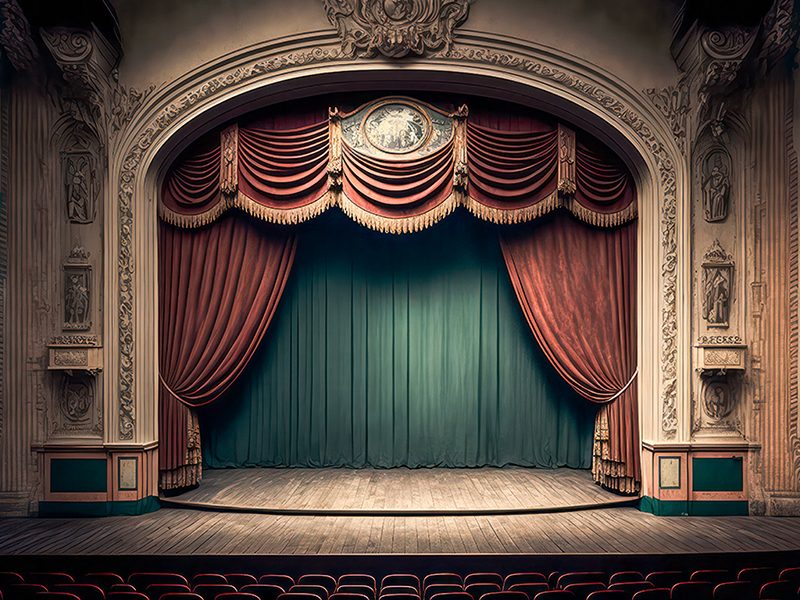
Long before the first Bollywood blockbuster, Mumbai’s theatres were already teaching India how to love a certain kind of story: star-crossed lovers, mistaken identities, thunderous villains, comic sidekicks, songs at every emotional peak and a climax where virtue triumphs. That grammar came from Parsi theatre, the commercial stage tradition of the 19th and early 20th centuries, and its fingerprints are all over modern Bollywood storytelling.
What Parsi theatre was
Parsi theatre was the commercial theatre of colonial Bombay, pioneered by Parsi entrepreneurs who built theatre companies as businesses. Performing in Hindustani, the companies toured across India, staging mythologicals, historical romances, farces and melodramas for mass audiences. The productions were lavish for their time: painted backdrops, trapdoors, flying effects, live music, all designed to astonish.
The audience was the emerging urban middle and working class, hungry for entertainment in their own language. Parsi theatre gave it to them in a heady mix: high emotion, low comedy, music, dance and moral clarity, a formula engineered for maximum popular appeal. Sound familiar? It should.
The Bollywood inheritance
When Indian cinema was born, it hired Parsi theatre wholesale: its actors, its writers, its musicians, its directors. The early talkies were essentially filmed Parsi theatre, and the stage’s conventions became cinema’s DNA. The song-and-dance structure, the comic subplot, the separated-at-birth coincidences, the villain’s lair, the mother’s blessing, the climactic fight: these are Parsi theatre devices that Bollywood still deploys.
- Melodrama: heightened emotion, clear heroes and villains, moral legibility.
- Music as narrative: songs marking emotional peaks, a stage convention cinema made central.
- The comic track: parallel comedy subplots providing relief between dramatic beats.
- Spectacle: the imperative to astonish, from stage trapdoors to CGI set pieces.
Even Bollywood’s narrative looseness, its willingness to mix genres within a single film, echoes the Parsi stage’s variety-show instincts. The masala film is Parsi theatre’s direct descendant.
The artists who crossed over
The migration of talent tells the story. Playwrights became screenwriters, theatre actors became film stars, stage musicians became film composers. The great early film studios were staffed by theatre veterans, and the acting style of early Indian cinema, declamatory, expressive, larger than life, was stage acting adapted to the camera. As cinema developed its own naturalism, the theatricality never fully left; it became Bollywood’s signature excess.
Why it still matters
Understanding Parsi theatre explains what confuses outsiders about Bollywood: why films are three hours long, why characters burst into song, why plots embrace coincidence. These are not flaws but features of a storytelling tradition older than cinema, one that prioritises emotional transport over realism. Modern filmmakers who play with or against these conventions, the self-aware masala revival, the deconstructed melodrama, are all in dialogue with the Parsi stage.
The tradition also offers a corrective to cinema’s amnesia: Indian popular storytelling did not begin with films but with travelling companies performing under gaslight, inventing, night after night, the pleasures Bollywood still sells.
The business of the touring company
Parsi theatre companies were commercial enterprises of impressive sophistication. Owner-managers invested in productions, maintained permanent troupes of actors, musicians and stagehands, and toured relentlessly by rail, the expanding railway network making national circuits possible. Star actors commanded premium salaries and drew crowds like film stars; playwrights were paid per script, with hit writers in constant demand. Companies competed fiercely, poaching talent, mounting ever more spectacular productions and advertising aggressively in newspapers. The economics demanded full houses: productions were mounted to run for months, with companies performing different plays on different nights to keep audiences returning. When cinema arrived, it undercut this model decisively: a film could play to thousands simultaneously without a touring company’s costs. The companies folded, but their business DNA, the star system, the touring logic, the relentless focus on popular appeal, transferred wholesale into the film industry they had inadvertently trained.
FAQs
When did Parsi theatre flourish? Roughly from the 1850s to the 1930s, peaking in the late 19th and early 20th centuries before cinema eclipsed it.
Why was it called Parsi theatre? Because its pioneering companies were founded and run by Parsi entrepreneurs of Bombay, though its artists and audiences spanned communities.
Does Parsi theatre still exist? The original companies are gone, but its influence lives in Bollywood’s storytelling grammar and in periodic revivals and scholarly interest.
Every time a Bollywood heroine runs through a mustard field singing of love, she is performing on a stage built by Parsi theatre: the proscenium may be gone, but the play goes on.
Compiled by the Khabar 24h Editorial Desk from publicly available sources.

Khabar 24h Editorial Desk — our explainers are prepared by the Khabar 24h editorial team using AI-assisted research tools, and every piece is reviewed by a human editor before publishing. We do not claim original reporting: our work is turning complex topics into simple, accurate summaries. Spotted an error? Write to contact@khabar24h.com — our corrections policy aims for same-day review.
More from this author →