UPSC Optional Subjects: How to Choose the Right One for CSE Mains
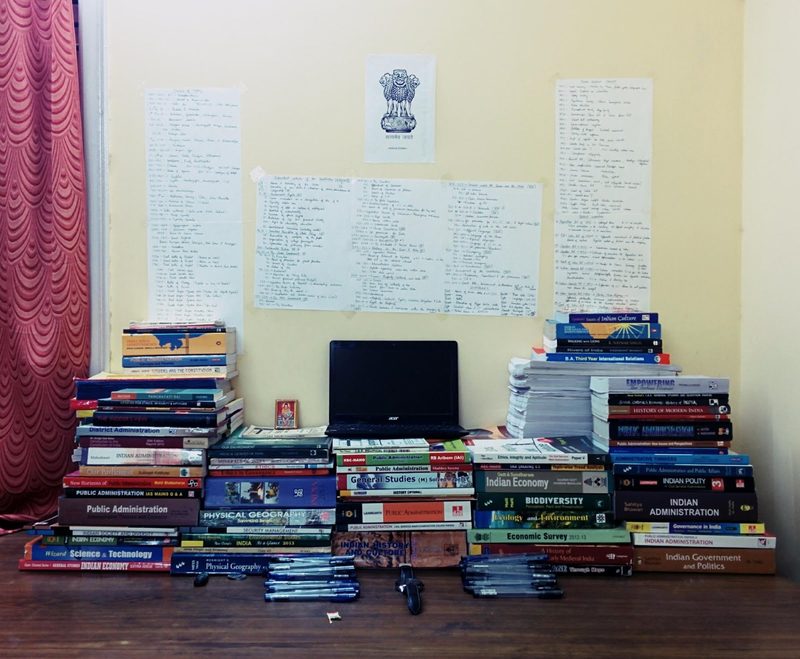
Ask any successful UPSC candidate about their turning point and many will name the same decision: the optional subject. Worth 500 marks across two papers in the Mains examination, the optional is the single highest-leverage choice in the entire Civil Services Examination — bigger than any GS paper. Choose well and it becomes your scoring engine; choose poorly and it drags down an otherwise strong attempt. This guide gives you a framework for choosing right.
Why the optional matters so much
The Mains examination totals 1750 marks, of which the optional alone contributes 500 — nearly 30 per cent. Unlike General Studies, where most serious aspirants cluster within a narrow band, optional scores vary wildly: the same effort can yield 250 in one subject and 320 in another, and that 70-mark gap often exceeds the final cutoff margin. The optional is also the paper where your genuine interest shows — evaluators reward depth, original analysis and scholarly engagement that cannot be faked through guidebooks. In short, this is the one choice where strategy and passion must coincide.
The five factors in choosing
1. Background and comfort: Your graduation subject is the default frontrunner — you already own its foundations. Engineers often pick Mathematics or Physics; humanities graduates lean towards their discipline. But background is an advantage, not a compulsion.
2. Syllabus overlap with GS: Subjects like Political Science, History, Geography, Sociology and Public Administration overlap heavily with GS papers and the essay, effectively multiplying every hour invested. This is why they dominate topper lists.
3. Scoring trends: Study the last 5 years’ topper marksheets (many are public). Some subjects consistently produce 300+ scores; others rarely cross 270 regardless of effort. Trends shift, so use a multi-year view, not one year’s data.
4. Material and guidance availability: A subject with standard books, quality test series and accessible mentors beats a theoretically better subject you must prepare in isolation.
5. Genuine interest: You will live with this subject for 12-18 months of intense study. If the syllabus bores you on first reading, it will torture you in month ten — and Mains evaluators can tell.
The popular optionals, honestly assessed
- Political Science & IR: massive GS overlap, excellent for essay and interview; syllabus is long but rewarding.
- Sociology: short syllabus, high scoring, strong thinkers-and-perspectives structure; a favourite of working professionals.
- Geography: scientific and map-based, suits analytical minds; overlaps with GS1 and parts of GS3.
- History: vast syllabus, demands genuine love for the subject; beautiful for those who have it, punishing for those who don’t.
- Public Administration: compact and GS-relevant, though scoring trends have fluctuated — check recent data.
- Literature optionals: small, stable syllabi with devoted followings; ideal if it is your academic home.
- Mathematics/Engineering subjects: objective and high-ceiling for the quantitatively gifted, but zero GS overlap.
How to decide: the 3-week test
Shortlist two or three optionals, then spend one week on each: read the syllabus end to end, study one standard book chapter, and attempt a previous year’s question. The right subject will feel challenging but engaging; the wrong one will feel like wading through mud. Decide by the end of week three and commit fully — switching optionals mid-preparation is the costliest mistake in this exam. Once chosen, the optional deserves 3-4 hours daily in the initial months, tapering to answer-writing practice as Mains approaches.
FAQs
Should I choose my graduation subject? Usually yes, unless you disliked it or its scoring trend is poor. Familiarity is a genuine head start.
Does the optional affect the interview? Yes — boards often probe your optional, so choose something you can discuss with conviction.
Can I change my optional later? You can, but every switch wastes months. The 3-week test exists precisely to prevent this.
What if my optional’s scoring trend drops suddenly? Trends move slowly; one bad year is noise. But if your subject underperforms for three consecutive years while alternatives surge, consult recent toppers and mentors before the next attempt — a switch is painful but sometimes necessary.
Your optional is a 500-mark bet on yourself. Bet on the intersection of what you know, what scores, and what you can love for a year — and then go all in.
Compiled by the Khabar 24h Editorial Desk from publicly available sources.

Khabar 24h Editorial Desk — our explainers are prepared by the Khabar 24h editorial team using AI-assisted research tools, and every piece is reviewed by a human editor before publishing. We do not claim original reporting: our work is turning complex topics into simple, accurate summaries. Spotted an error? Write to contact@khabar24h.com — our corrections policy aims for same-day review.
More from this author →