Study in Germany for Free: Public Universities, Blocked Accounts and Visa Process
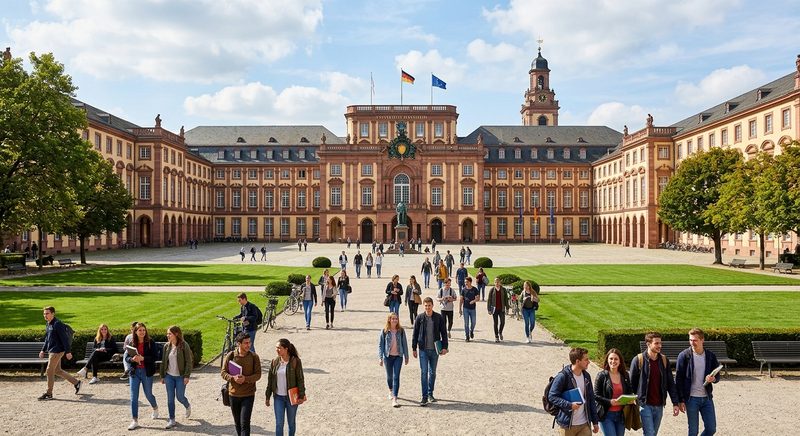
Germany is the best-kept secret in study-abroad: world-class universities, globally respected engineering and science programmes — and zero tuition fees at public universities, even for international students. Over 40,000 Indian students now study in Germany, drawn by the unbeatable economics and the 18-month post-study job search visa. But the process has uniquely German requirements: blocked accounts, APS certification, and a preference for thorough documentation. This guide walks through the entire path.
Why Germany: the zero-tuition advantage
Public universities in Germany charge no tuition fees for most programmes — students pay only a semester contribution of roughly 150-350 euros covering administration and public transport. Compare that with Rs 20-40 lakh per year in the US or UK, and the maths is stark: a master’s in Germany can cost less than a single semester elsewhere. The education itself is rigorous — TU Munich, RWTH Aachen, TU Berlin and others rank among the world’s best for engineering — and the DAAD scholarship system plus English-taught programmes (over 1,500 master’s programmes in English) make it accessible without German fluency. The tradeoff: living costs (850-1,100 euros monthly) must be funded, and the bureaucracy demands patience.
APS certification: the mandatory first step for Indians
Since late 2022, Indian students need APS (Academic Evaluation Centre) certification before applying for a German student visa. The APS verifies your academic documents’ authenticity — submit marksheets, degree certificates and related papers to the APS office in New Delhi, which issues a certificate after verification. Processing takes several weeks to months, so start APS at least 6 months before your intended intake. Without the APS certificate, the visa application cannot proceed — it is the gatekeeper of the entire process. Keep attested copies of everything; German officials value complete, organised files.
The blocked account: proving financial resources
Germany requires proof you can support yourself: currently around 11,208 euros per year (the figure is revised periodically), deposited in a blocked account (Sperrkonto) with providers like Expatrio, Coracle or Deutsche Bank. The account releases roughly 934 euros monthly once you are in Germany — it is your money, just metered. Open the blocked account after admission, transfer the funds, and get the confirmation letter for your visa interview. Alternatives like a formal obligation letter (Verpflichtungserklärung) from a German resident exist but are harder to arrange. Budget honestly: Munich and Frankfurt cost more than Leipzig or Aachen.
Applications, intakes and language
Most programmes start in the winter semester (October) with applications due around May-July; summer intake (April) has fewer options. Apply through uni-assist (the central service many universities use) or directly to the university — check each programme’s route. Requirements typically include a bachelor’s degree with strong grades (German universities are grade-conscious; 75 per cent+ helps significantly), IELTS/TOEFL for English-taught programmes, a motivation letter, and sometimes GRE for competitive programmes. Learning German to A2/B1 level before departure is strongly advised even for English programmes — it transforms daily life, part-time job prospects and post-study employment.
Visa, work rights and the path to settlement
The student visa interview at the German mission assesses your motivation, finances and APS certificate — prepare to explain why Germany and why this programme. Students may work 120 full days or 240 half days per year; typical student jobs pay 12-15 euros hourly. After graduation, the 18-month job-search residence permit lets you find qualified employment; once employed, the EU Blue Card route opens with a salary threshold, leading to permanent residence in as little as 21-33 months with German language skills. Germany’s skilled-worker immigration reforms have made this path smoother than ever — the country actively wants international graduates to stay.
FAQs
Is German language mandatory? Not for English-taught programmes, but A2/B1 German dramatically improves daily life, part-time work and post-study job prospects.
What are my chances with average grades? Competitive programmes need strong grades, but Germany has hundreds of universities — apply broadly across ranking tiers.
Can I stay permanently? Yes — the post-study work permit, EU Blue Card and permanent residence route make Germany one of the most settlement-friendly destinations.
Zero tuition, world-class degrees, a clear path to stay. Start APS early, fund the blocked account, learn some German — and Germany’s universities are within reach.
Compiled by the Khabar 24h Editorial Desk from publicly available sources.

Khabar 24h Editorial Desk — our explainers are prepared by the Khabar 24h editorial team using AI-assisted research tools, and every piece is reviewed by a human editor before publishing. We do not claim original reporting: our work is turning complex topics into simple, accurate summaries. Spotted an error? Write to contact@khabar24h.com — our corrections policy aims for same-day review.
More from this author →