Study in Australia: Best Universities, Student Visa Rules and Part-Time Work
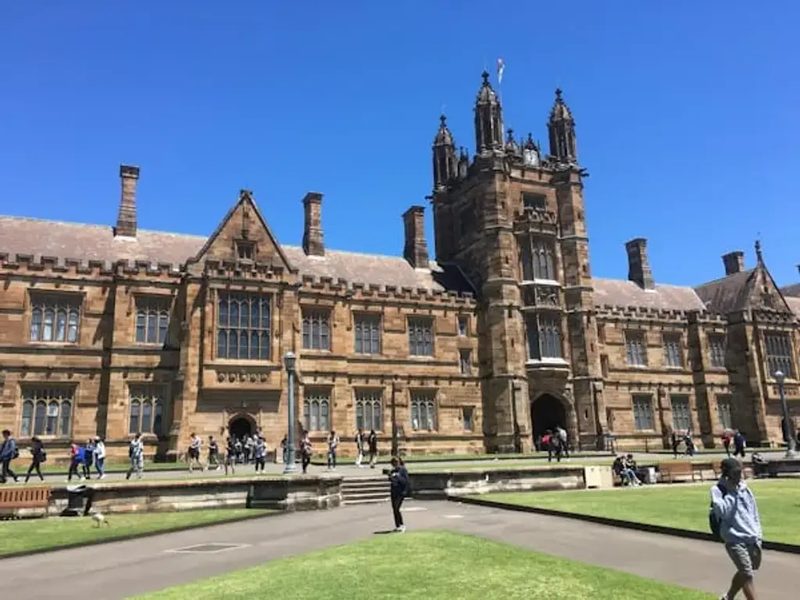
Australia combines what few destinations offer together: genuinely world-class universities, the right to work generous hours during studies, a post-study work visa of 2-4 years, and skills-based permanent residence pathways. Melbourne, Sydney and Brisbane consistently rank among the world’s most liveable student cities. For Indian students, Australia’s proposition is strongest in engineering, IT, nursing, accounting and trades — fields where the skills lists and job markets align. This guide covers costs, visas, work rights and how to choose wisely.
Best universities and what they cost
The Group of Eight — including the University of Melbourne, Sydney, UNSW, ANU and Monash — anchor the top tier, with international tuition of AUD 35,000-55,000 yearly for most programmes. Strong alternatives like UTS, RMIT, Deakin and Griffith offer quality at AUD 28,000-40,000. Living costs run AUD 20,000-27,000 annually depending on the city — Sydney and Melbourne at the top, Adelaide and Perth more affordable. The realistic total: AUD 50,000-75,000 per year. Scholarships exist — most universities offer 15-30 per cent international merit scholarships automatically on strong grades — and they meaningfully cut the bill. Always calculate the net cost after scholarships, not the sticker price.
The student visa (Subclass 500): requirements
Australia’s student visa requires a Confirmation of Enrolment from a registered institution, proof of funds covering tuition plus AUD 24,505 yearly living costs (plus travel and health cover), Overseas Student Health Cover for the full stay, and English proficiency (IELTS/PTE). The Genuine Student requirement — replacing the old GTE — assesses whether your study plans are logical and credible; a well-written statement connecting the course to your background and goals is essential. Financial documentation must be credible and seasoned — sudden large deposits trigger scrutiny. Processing takes weeks to months; apply as soon as you have the CoE.
Part-time work: the rules and the reality
Students may work up to 48 hours per fortnight during academic sessions (full-time in breaks) — among the world’s more generous allowances. At Australia’s high minimum wage (above AUD 23 hourly), part-time work can cover a large share of living costs: hospitality, retail, delivery and campus jobs are the usual mix. But the golden rule: work funds living, not tuition — students who plan to pay fees from part-time earnings court disaster. Balance matters too; the 48-hour cap exists because overwork collapses grades, and failed subjects cost far more in repeat fees than the wages earned.
Post-study work and PR pathways
The Temporary Graduate visa (Subclass 485) gives 2-4 years of full work rights after eligible degrees (longer for regional study and higher qualifications) — the launchpad for everything after. Permanent residence runs through the points-tested skilled migration system: age, English score, qualifications, Australian study and work experience all add points, with 65 as the minimum and realistic invitations needing far more. State nominations (Subclass 190/491) and employer sponsorship are the practical routes for most graduates. The critical strategy: choose courses on the skilled occupation lists, consider regional universities (extra points and longer post-study visas), and maximise your English test score — it is the cheapest points available.
Choosing the right city and course
- Sydney/Melbourne: most jobs and universities, highest costs, most competitive PR environment.
- Brisbane/Perth/Adelaide: lower costs, regional PR advantages, growing job markets.
- Course lists first: check the skilled occupation lists before choosing — PR-aligned courses only.
- Accreditation matters: engineering (Engineers Australia), accounting (CPA), nursing (AHPRA) — verify professional recognition.
- VET options: vocational courses in trades and hospitality offer strong employment at lower cost.
Scholarships: cutting the sticker price
Do not pay sticker price without checking scholarships. Most Australian universities offer automatic international merit scholarships of 15-30 per cent for strong grades — applied at admission without separate applications. The Australia Awards Scholarships (government-funded, full ride) are prestigious but highly competitive and carry a return-home condition. Destination Australia scholarships support regional study with AUD 15,000 yearly. Research scholarships (RTP) fund PhDs generously. Apply early: scholarship deadlines often precede admission deadlines, and the strongest awards go to early applicants. A 25 per cent scholarship on AUD 40,000 tuition saves AUD 10,000 yearly — Rs 5.5 lakh — for the effort of one application.
FAQs
Is Australia better than Canada for PR? Different, not better — Australia’s points system rewards skills and English highly; Canada rewards Canadian experience. Your profile decides.
Can I cover full costs through part-time work? Living costs, substantially; tuition, no. Plan finances for tuition independently.
Which English test is preferred? Both IELTS and PTE are accepted widely; PTE is popular for its faster results and is fully recognised for visa and PR purposes.
Australia rewards the strategic: PR-listed course, regional advantage, strong English, credible finances. Plan those four, and the southern cross shines bright.
Compiled by the Khabar 24h Editorial Desk from publicly available sources.

Khabar 24h Editorial Desk — our explainers are prepared by the Khabar 24h editorial team using AI-assisted research tools, and every piece is reviewed by a human editor before publishing. We do not claim original reporting: our work is turning complex topics into simple, accurate summaries. Spotted an error? Write to contact@khabar24h.com — our corrections policy aims for same-day review.
More from this author →