Scholarships for Girls in India: Schemes That Fund Higher Education
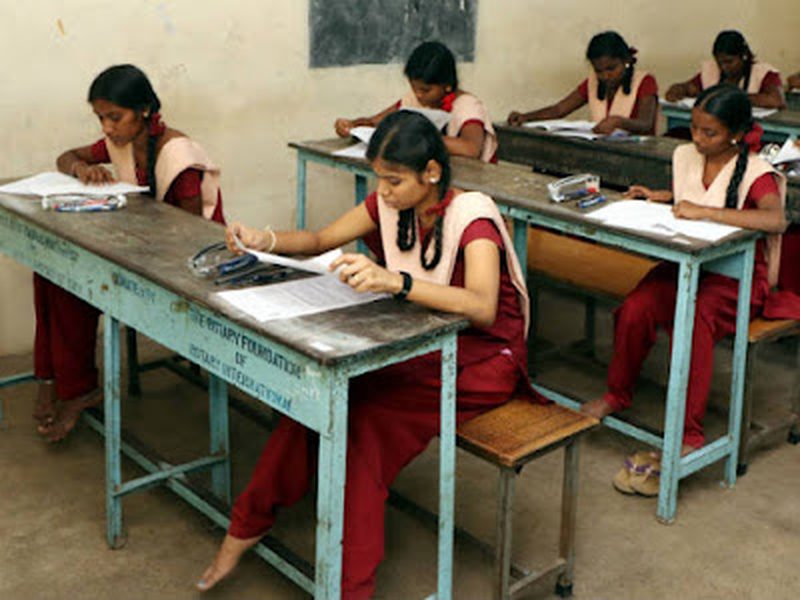
India’s gender gap in higher education has narrowed dramatically, and scholarships designed for girls deserve much of the credit. From the central government’s Beti Bachao Beti Padhao-linked awards to state ladli schemes and AICTE’s technical scholarships, dozens of programmes now exist with one goal: ensuring no girl drops out for want of money. Yet awareness remains the bottleneck — many families never learn these schemes exist. This guide maps the landscape so every family can claim what is theirs.
Central schemes for girl students
The flagship technical scholarship is AICTE’s Pragati: Rs 50,000 per year for up to 5,000 girl students entering AICTE-approved diploma and degree programmes, with a family income ceiling. The UGC’s PG Scholarship for Single Girl Child pays Rs 36,200 per year for postgraduate study. The CBSE’s Single Girl Child Scholarship supports meritorious single girl children in Classes 11-12. The central government’s National Scheme of Incentive to Girls for Secondary Education historically supported SC/ST girls transitioning to secondary school. Additionally, the Beti Bachao Beti Padhao framework channels state-level implementation of girl-child education incentives. Most of these are applied for through the National Scholarship Portal with standard documents: Aadhaar, income certificate, marksheets and bonafide certificates.
State ladli and kanya schemes
States run some of India’s most generous girl-child schemes. Delhi’s Ladli scheme, Haryana’s Ladli Social Security Allowance, Madhya Pradesh’s Ladli Laxmi Yojana (which deposits funds at intervals from birth through education milestones), West Bengal’s Kanyashree (annual scholarships plus a one-time grant for unmarried girls continuing education), and Bihar’s Mukhyamantri Kanya Utthan Yojana (staged payments from birth to graduation) are prominent examples. The pattern: staged financial incentives tied to the girl staying in school — birth registration, immunisation, school enrolment, passing Classes 6, 8, 10 and 12, and finally graduation. Families should check their own state’s women-and-child-development department, since these schemes are state-specific and periodically revised.
Scholarships for professional and higher education
Beyond school-level schemes, girls entering professional courses have dedicated options. The Pragati scholarship covers engineering and pharmacy; several PSUs and corporates run girl-focused scholarships (like the Santoor and L’Oréal-linked programmes for young women); and many state governments offer fee waivers or reimbursements for girls in government engineering and medical colleges. For research, the UGC and DST fellowships are gender-neutral but actively encourage women applicants, with some schemes offering additional flexibility for women researchers. Private trusts — Tata Endowment, Inlaks, JN Tata — support meritorious women for higher studies including abroad.
How families should plan: a stage-wise approach
- At birth/school entry: register for the state’s ladli/kanya scheme immediately — many require early enrolment.
- Classes 9-12: apply for secondary-education incentives and the CBSE single-girl-child scholarship where eligible.
- College entry: file NSP applications for Pragati, Central Sector and state merit schemes in the first year itself.
- Postgraduate: target the single-girl-child PG scholarship and UGC rank-holder awards.
- Throughout: keep income and domicile documents current — staged schemes verify at every milestone.
Why these schemes matter: the dropout economics
Research consistently shows that direct financial support to girls’ education pays for itself: every additional year of schooling raises a woman’s lifetime earnings, delays marriage, improves child health, and breaks intergenerational poverty. The staged-payment design of ladli schemes is deliberate — it counteracts the exact moments (puberty, Class 10, marriage age) when girls are most likely to drop out. For families, the practical message is simple: these schemes are not charity but investment partnerships, and claiming them is both a right and a strategy.
Beyond money: mentorship and hostel support
Money alone does not keep girls in education — safety, hostels and mentorship matter equally. Many states pair scholarships with free hostel facilities for girl students, bicycles for school commuting, and sanitary-pad distribution that reduces absenteeism. Central schemes like the UGC-supported women’s hostels in universities address the accommodation barrier directly. Families should ask not just what scholarship exists but what support ecosystem surrounds it: a scholarship plus a safe hostel is what actually converts enrolment into graduation. NGOs and corporate CSR programmes add mentorship layers — career guidance that first-generation learners especially need.
FAQs
Can a girl hold both a state ladli scheme and a central scholarship? Often yes, since ladli schemes are usually structured as staged deposits rather than education scholarships — but verify against each scheme’s overlapping-benefit rules.
What if we missed registering at birth? Many schemes allow late registration with conditions; contact the district women-and-child-development office rather than assuming ineligibility.
Are these schemes only for poor families? Income ceilings vary widely — merit-based ones like Pragati have moderate ceilings, while ladli schemes often target BPL families. Check each scheme.
No girl’s education should end over money. The schemes exist at every stage from birth to PhD — register early, apply diligently, and let the system do what it was designed to do.
Compiled by the Khabar 24h Editorial Desk from publicly available sources.

Khabar 24h Editorial Desk — our explainers are prepared by the Khabar 24h editorial team using AI-assisted research tools, and every piece is reviewed by a human editor before publishing. We do not claim original reporting: our work is turning complex topics into simple, accurate summaries. Spotted an error? Write to contact@khabar24h.com — our corrections policy aims for same-day review.
More from this author →