NCERT Books: How to Read Them Strategically for Board and Competitive Exams
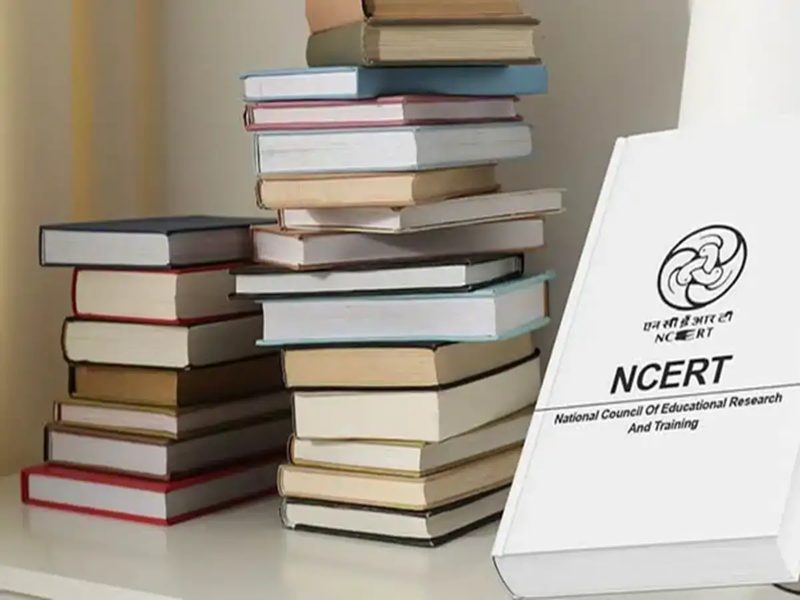
Every topper interview contains the same advice: read NCERT. Yet most students who follow it see little benefit — because they read NCERT like a storybook instead of mining it like a question bank. The National Council of Educational Research and Training textbooks are the official syllabus for CBSE boards, JEE Main, NEET and the foundation of UPSC preparation. But extracting their full value requires strategy: knowing what to underline, what to memorise verbatim, and what to skim. This guide shows you how.
Why NCERT is non-negotiable
Three facts make NCERT unavoidable. First, CBSE board papers are set directly from NCERT — questions, examples and even diagrams are lifted from its pages. Second, JEE Main draws heavily from NCERT, especially in Chemistry, where a large share of questions trace to NCERT lines and tables. Third, NEET Biology is overwhelmingly NCERT-based; toppers famously say that every line of NCERT Biology is a potential question. Beyond exams, NCERT builds the conceptual base that makes advanced reference books comprehensible. Skipping NCERT to jump straight to guidebooks is like building the second floor without the first.
How to read NCERT: the strategic method
Read each chapter in three passes. First, a fast read for the big picture — what is this chapter about, what are its key ideas? Second, a slow analytical read with a pen: underline definitions, formulae, named reactions, dates and cause-effect statements — anything that could become a question. Third, convert the chapter into questions: turn every heading into a question and answer it from memory. For Biology, memorise diagrams with labels and read the fine print under tables; for Chemistry, learn every reaction and the tables of trends; for Physics, work every solved example before attempting exercises; for Social Science, build timelines and flowcharts from the narrative.
What to memorise verbatim vs understand
- Memorise verbatim: definitions, laws stated formally, chemical formulae and reactions, biological terminology, dates and constitutional articles.
- Understand deeply: derivations, mechanisms, processes (like photosynthesis or the working of institutions) — be able to explain these in your own words.
- Skim: extended anecdotes, historical asides and activity boxes — read once for context, don’t memorise.
- Never skip: chapter-end exercises, in-text questions, tables, diagrams and the summary boxes — examiners mine these directly.
NCERT for competitive exams: the layering approach
For JEE and NEET, NCERT is layer one. After mastering it, layer two is previous-year questions mapped to NCERT chapters — this reveals which lines examiners actually target. Layer three is a reference book for depth in weak areas only. A common mistake is reading NCERT once and moving on forever; instead, schedule NCERT revision in every cycle — the 7-15-30 rhythm works beautifully. For UPSC, the approach differs: read NCERTs (Classes 6-12 for History, Geography, Polity, Economics, Science) for conceptual clarity, making concise notes, then graduate to standard advanced texts. NCERT gives you the skeleton; advanced books add the flesh.
Exemplar problems: the hidden goldmine
NCERT Exemplar books — separate volumes of higher-order questions — are among the most underused resources in Indian education. For Science and Mathematics, Exemplar problems bridge the gap between board level and competitive level, and JEE/NEET frequently feature questions of Exemplar difficulty. Solve the Exemplar for every chapter after finishing the main text. If you can handle Exemplar problems comfortably, you are genuinely prepared — not just familiar.
Common NCERT mistakes to avoid
Three mistakes waste the NCERT advantage. First, reading without a pen — passive reading of NCERT creates the same illusion of competence as any textbook. Second, using guidebook summaries as a substitute; summaries strip the exact phrasing examiners borrow. Third, ignoring the rationalised-edition deletions and studying removed chapters from old books. NCERT rewards the active miner: underline, question, convert to flashcards, and revisit on schedule. Treat it as a living document across your preparation, not a one-time read.
FAQs
Are NCERT books enough for JEE Advanced? For Chemistry, largely yes. For Physics and Maths, NCERT plus Exemplar builds the base, but Advanced-level problem practice is still essential.
Which NCERT edition should I use? The latest rationalised editions match the current syllabus — older editions contain deleted chapters that waste time.
How many times should I read NCERT Biology? Toppers report 5-10 full readings across the preparation period, with the final reads being rapid-fire line-by-line revision.
NCERT is not a textbook to be finished — it is a mine to be worked. Read strategically, revise cyclically, and let every line earn its place in your memory.
Compiled by the Khabar 24h Editorial Desk from publicly available sources.

Khabar 24h Editorial Desk — our explainers are prepared by the Khabar 24h editorial team using AI-assisted research tools, and every piece is reviewed by a human editor before publishing. We do not claim original reporting: our work is turning complex topics into simple, accurate summaries. Spotted an error? Write to contact@khabar24h.com — our corrections policy aims for same-day review.
More from this author →