Science
Nobel Physics 2026: Francis Halzen wins for IceCube neutrinos
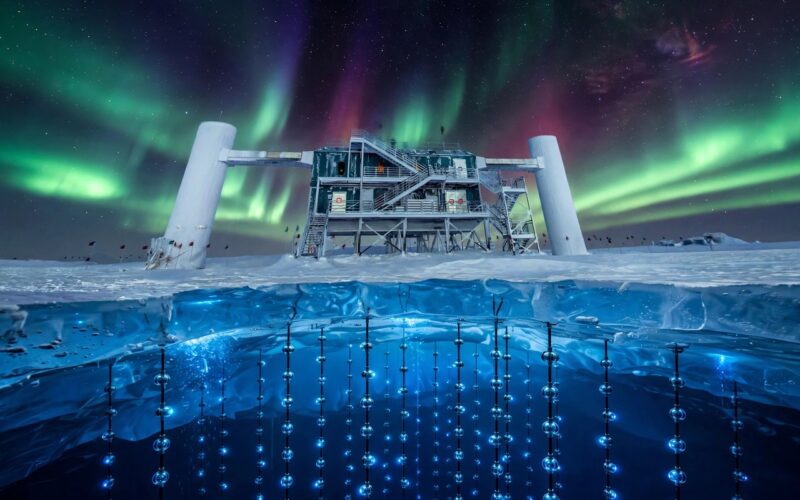
Francis Halzen won the 2026 Nobel Prize in Physics for the IceCube Neutrino Observatory and the discovery of high-energy cosmic neutrinos.
Simple explainers on world affairs, science, health and more.
All news under one minute
Francis Halzen won the 2026 Nobel Prize in Physics for the IceCube Neutrino Observatory and the discovery of high-energy cosmic neutrinos.
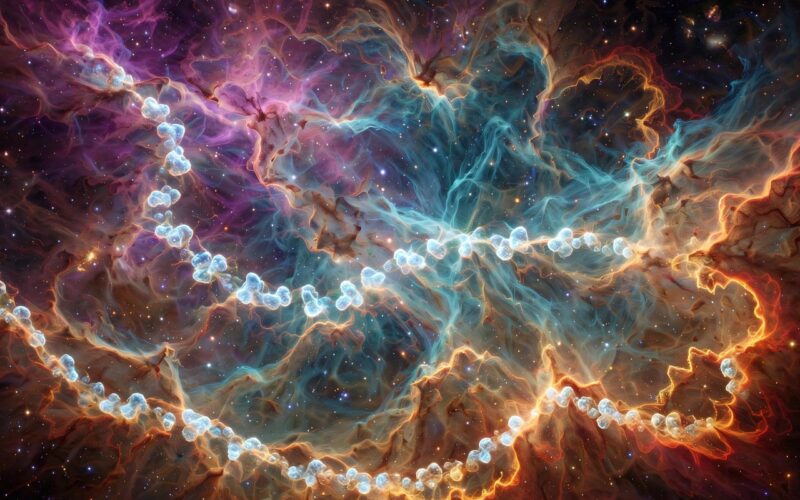
Gemini North telescope images of supernova remnant Pa 30 reveal pearl-like chains of knots — the highest-resolution views of the rare Type…
Francis Halzen has won the 2026 Nobel Prize in Physics as sole laureate for the IceCube Neutrino Observatory and the discovery of…
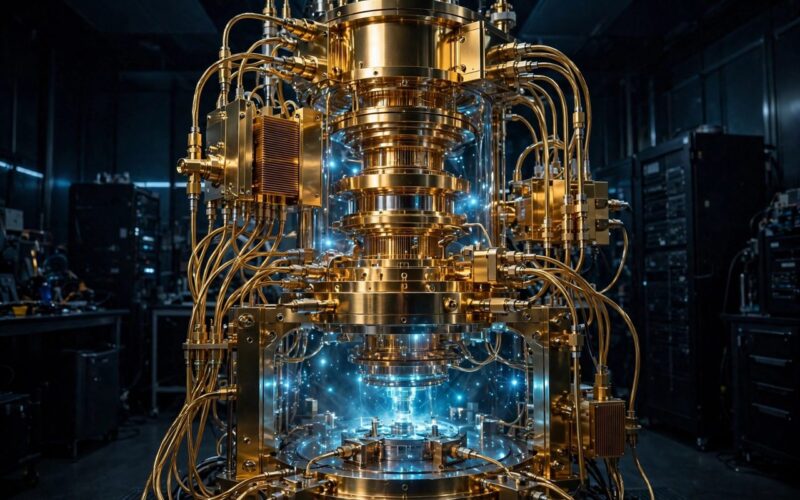
New quantum computing shortcut eases particle collision simulations, published in Nature Physics. How it works.
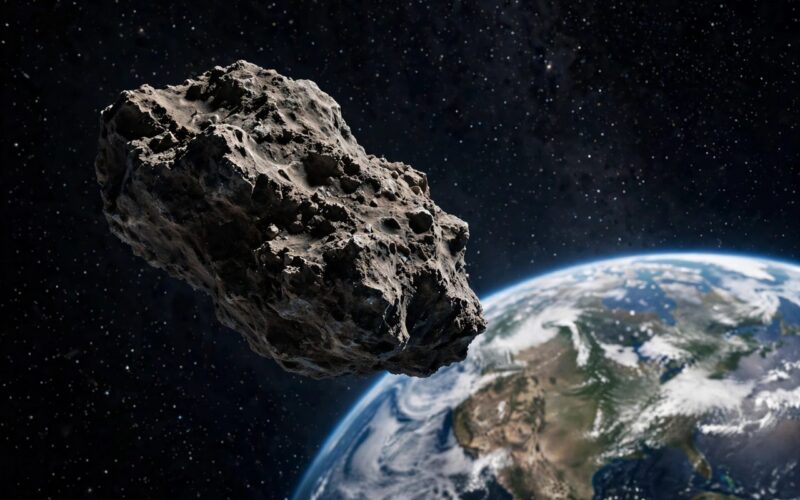
Asteroid 2026 TU3 passed Earth at 0.83 lunar distances on Oct 7, moving at 14.28 km/s. Key flyby facts.
World Space Week 2026 runs October 4-10 with events worldwide, including ISRO programmes in Kerala for students.
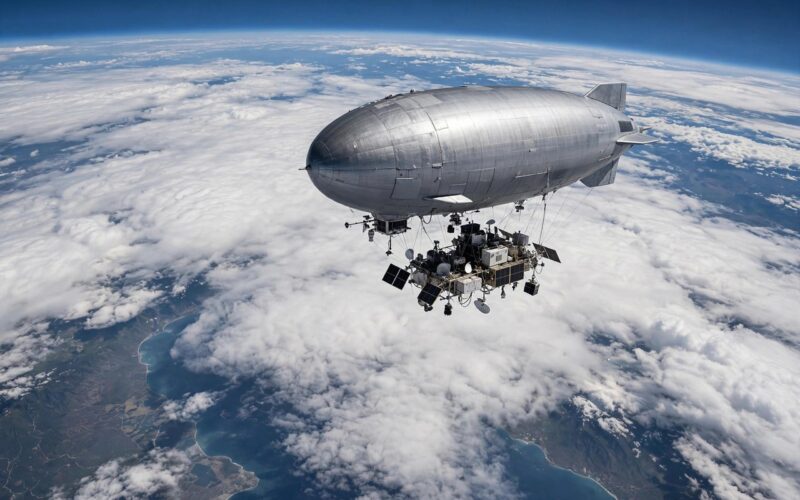
DRDO has successfully flight-tested its indigenous High-Altitude Platform System to 21 km, holding 20 km for over 30 minutes.
Stanford scientists discovered a way to regrow cartilage and fight arthritis, offering hope beyond joint replacements.
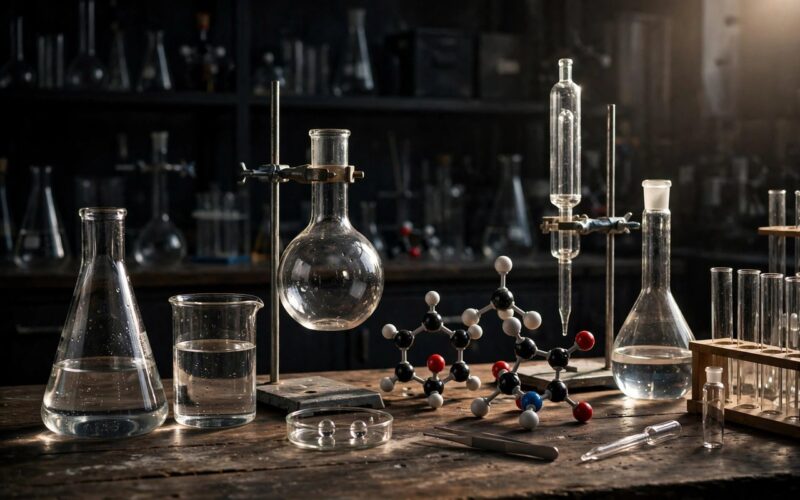
Henri Kagan and Kenso Soai won the 2026 Nobel Prize in Chemistry for non-linear effects and autocatalysis in asymmetric organic synthesis.
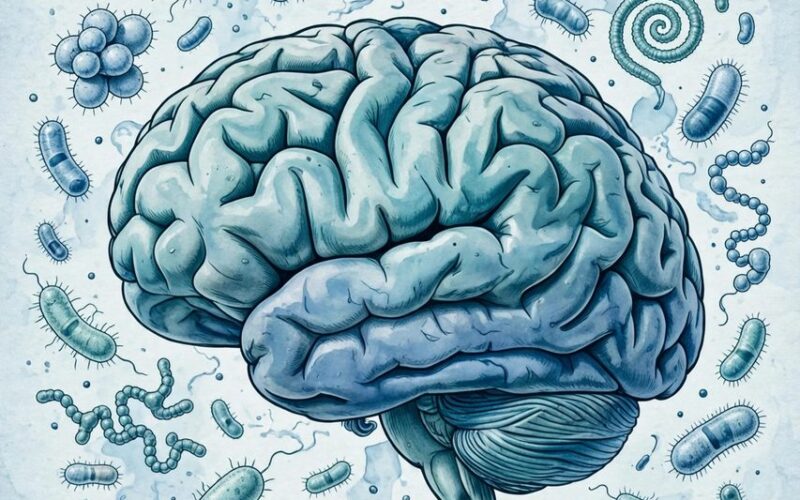
A UCLA study of nearly 1,500 adults found that specific gut bacteria and metabolites are linked to a higher Brain Aging Index.