Science
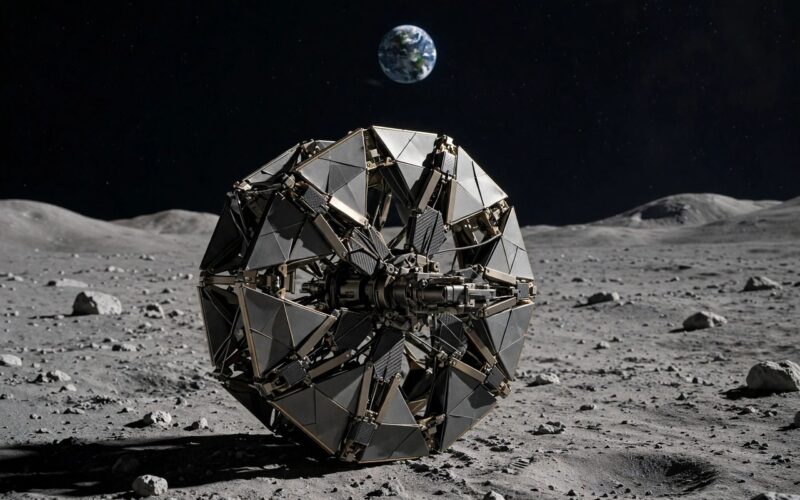
KAIST Builds Origami Wheels for Moon Rover That Expand
KAIST's Seong-bin Lee builds origami-inspired airless wheels that expand from 9 to 20 inches, designed for Korea's planned 2030 moon rover mission.
Simple explainers on world affairs, science, health and more.
All news under one minute
KAIST's Seong-bin Lee builds origami-inspired airless wheels that expand from 9 to 20 inches, designed for Korea's planned 2030 moon rover mission.
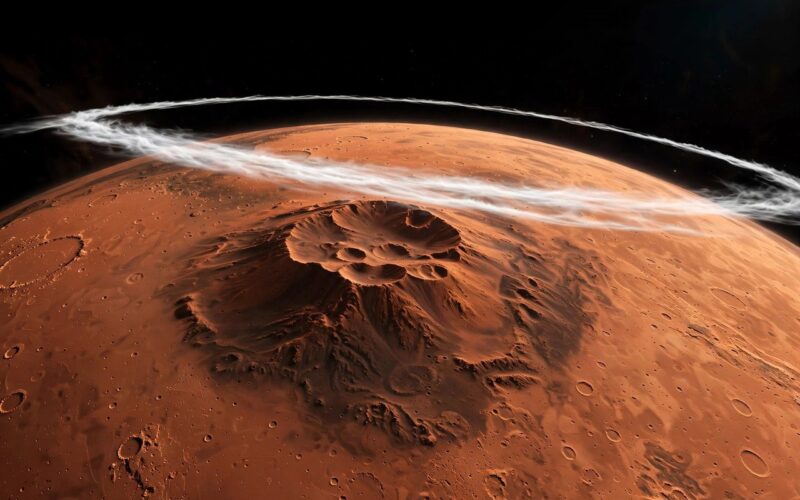
Mars' longest cloud, up to 1,800 km, may form through physics never observed in a planetary atmosphere.
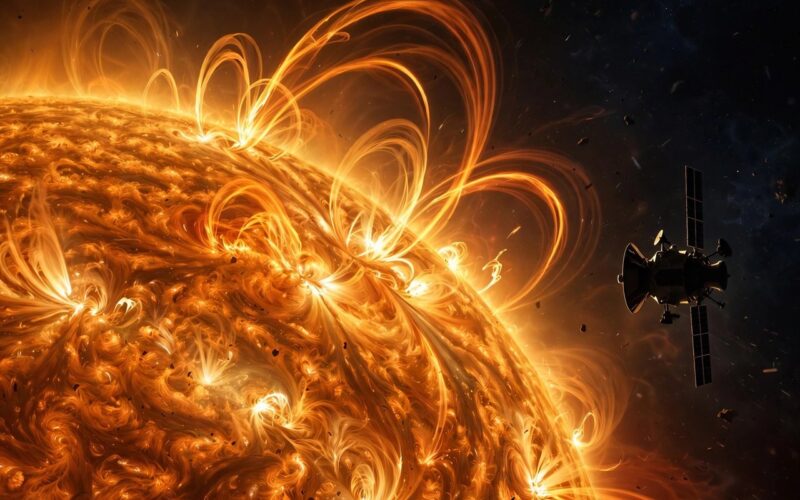
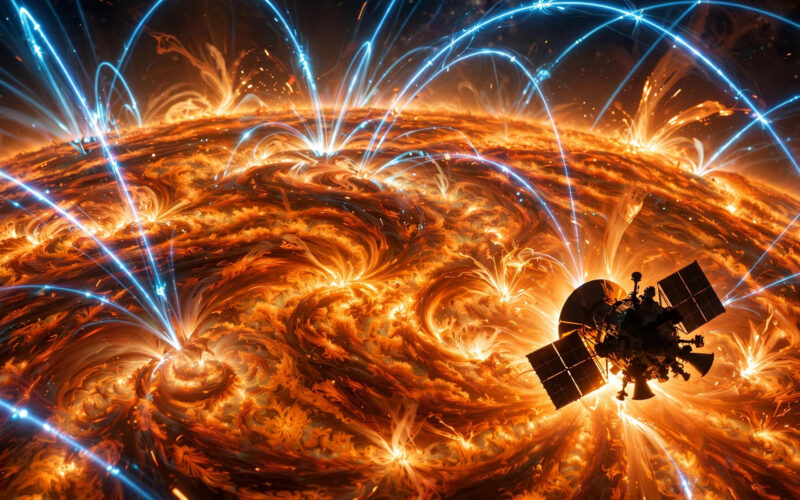
Europe's Solar Orbiter has traced the origin of magnetic "switchbacks" — sudden S-shaped kinks in the solar wind.
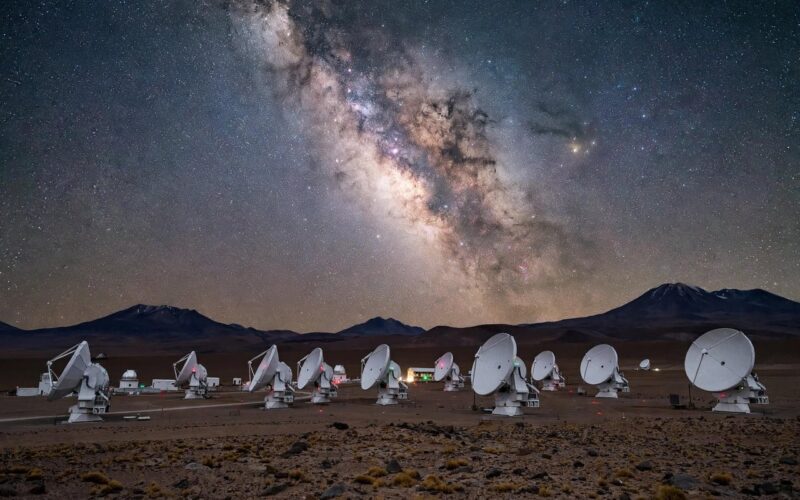
Astronomers using the ALMA telescope have detected a rare form of methanol around newborn stars for the first time.
Astronomers have confirmed the most powerful radio galaxy ever found, 12.5 billion light-years away.
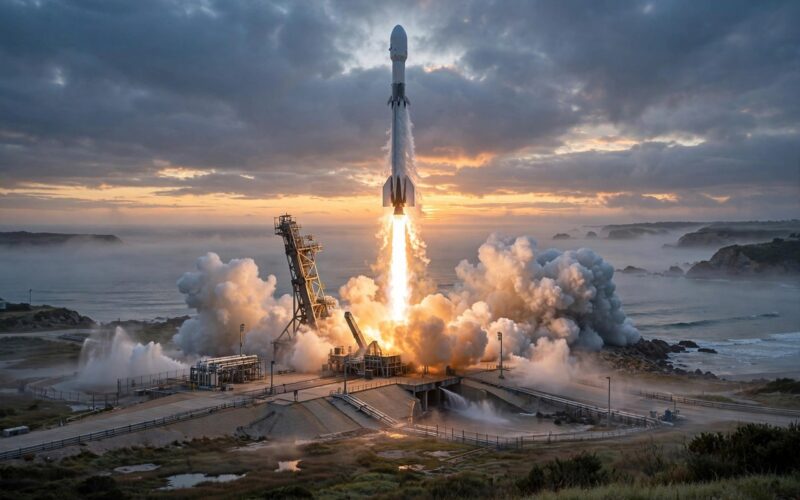
NASA and SpaceX target October 13 for the 35th station resupply mission, carrying solar arrays, artificial-retina hardware and brain organoids.
ALMA has detected exotic methanol in planet-building zones around young stars, offering clues to the origin of life.
Solar Orbiter has traced the origin of mysterious magnetic switchbacks in the solar wind, a Nature Astronomy study reports.
Astronomers have confirmed TXS 2354+015, the most powerful radio galaxy known, 12.5 billion years away.
Francis Halzen has won the 2026 Nobel Physics Prize for the IceCube Neutrino Observatory and cosmic neutrino discovery.