Motor Insurance: Third-Party vs Comprehensive Cover, and How No-Claim Bonus Works
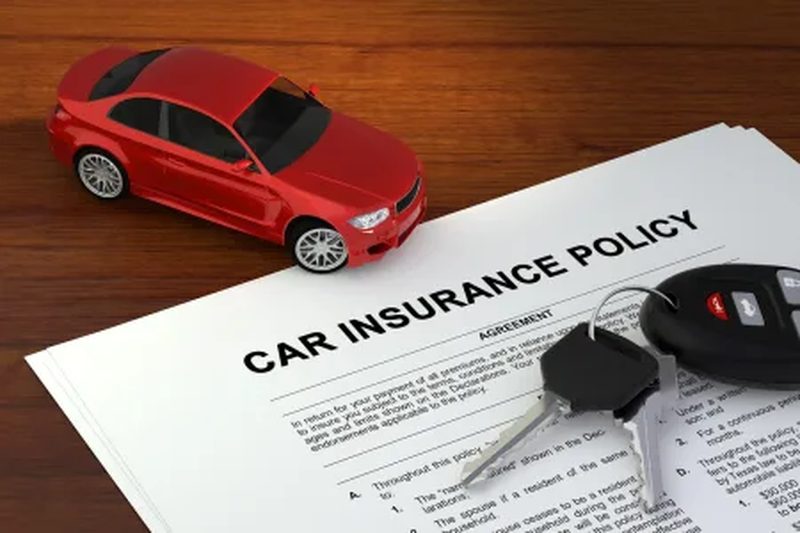
Every vehicle on Indian roads must carry motor insurance — it is not optional, and driving without it invites fines and, worse, unlimited personal liability for third-party damages. But mandatory does not mean simple: owners must choose between third-party-only and comprehensive cover, understand a alphabet soup of add-ons, and grasp the no-claim bonus that rewards careful driving with discounts up to 50 per cent. Here is the complete guide.
Third-party cover: the legal minimum
The Motor Vehicles Act mandates third-party liability insurance for every vehicle: it covers injury, death or property damage you cause to others — pedestrians, other vehicles, public property — with unlimited liability for injury and death claims. It does not cover a rupee of damage to your own vehicle. Premiums are tariffed by the IRDAI based on engine capacity for cars and two-wheelers, not set by insurers. Driving with only third-party cover is legal and cheap, and for an old vehicle of low value, it can be the rational choice — but one serious at-fault accident without own-damage cover means the repair bill is entirely yours.
Comprehensive cover: adding own-damage protection
Comprehensive (package) policies bundle the mandatory third-party cover with own-damage protection for your vehicle — accidents, theft, fire, floods, vandalism and natural calamities. The own-damage premium depends on the Insured Declared Value, essentially the vehicle’s current market value depreciated by age, which is also the maximum the insurer pays on total loss or theft. New cars are commonly insured bumper-to-bumper through add-ons; as vehicles age, owners often drop add-ons and eventually revert to third-party-only when the IDV no longer justifies comprehensive premiums. The break-even question is simple: does the comprehensive premium exceed the plausible repair risk on your vehicle’s value?
The add-ons worth knowing
Zero-depreciation cover — the most popular add-on — waives the depreciation deduction on replaced parts, so claims pay full part costs; near-essential for new cars, poor value after 5 years. Engine protection covers hydrostatic and mechanical engine damage excluded from standard policies — valuable in flood-prone cities. Return-to-invoice bridges the gap between IDV and purchase price on total loss. Roadside assistance, consumables cover, NCB protection and key replacement round out the menu. The discipline: buy add-ons for risks you cannot comfortably self-fund, skip them where you can — insuring every small risk is how premiums quietly double.
- Third-party: mandatory, covers others’ injury/damage, never your own vehicle.
- Comprehensive: adds own-damage cover up to the IDV — accidents, theft, calamities.
- Key add-ons: zero-depreciation (new cars), engine protection (flood zones), return-to-invoice.
- IDV: set it honestly — under-insuring saves premium but caps claim payouts.
How the no-claim bonus works
The no-claim bonus is the system’s reward for careful driving: each claim-free year earns a discount on the own-damage premium, starting at 20 per cent after one year and rising to 50 per cent after five consecutive claim-free years. It belongs to you, not the vehicle — when you sell a car and buy another, the NCB transfers via a certificate from the old insurer, a benefit sellers routinely forget to claim. Small claims deserve arithmetic: claiming 8,000 rupees of repairs may cost you a 50 per cent NCB worth far more over subsequent years — self-fund minor dents and preserve the bonus. NCB protection add-ons forgive one claim a year without resetting the bonus, useful for the claim-prone.
The claim process is where insurers truly differentiate themselves. For own-damage claims, insurers operate cashless garage networks — drive in, the surveyor assesses, the garage bills the insurer directly for approved repairs, and you pay only deductibles and depreciation. Always inform the insurer immediately after an incident, file an FIR for theft or major accidents, and never authorise repairs before the surveyor’s inspection, or the claim can be rejected. Keep photographs of the damage and the policy document accessible on your phone. At renewal, compare not just premiums but claim settlement ratios and garage network strength — the cheapest policy is expensive if its claims desk fights you.
FAQs
Is third-party insurance enough? Legally yes, financially risky for valuable vehicles — one major accident can cost more than years of comprehensive premiums.
Can I transfer my NCB to a new car? Yes — obtain an NCB certificate from your old insurer and apply it to the new vehicle’s own-damage premium, even across insurers.
What voids a motor claim? Driving without a valid licence, drunk driving, using a private vehicle commercially, and undisclosed modifications are standard grounds for rejection.
Motor insurance is the rare financial product the law forces you to buy — so buy it well. Match the cover to the vehicle’s value, harvest the no-claim bonus through careful driving and smart claiming, add only the riders you need, and the mandatory becomes the sensible.
Compiled by the Khabar 24h Editorial Desk from publicly available sources.

Khabar 24h Editorial Desk — our explainers are prepared by the Khabar 24h editorial team using AI-assisted research tools, and every piece is reviewed by a human editor before publishing. We do not claim original reporting: our work is turning complex topics into simple, accurate summaries. Spotted an error? Write to contact@khabar24h.com — our corrections policy aims for same-day review.
More from this author →