AI wearables can predict distress in autistic children early
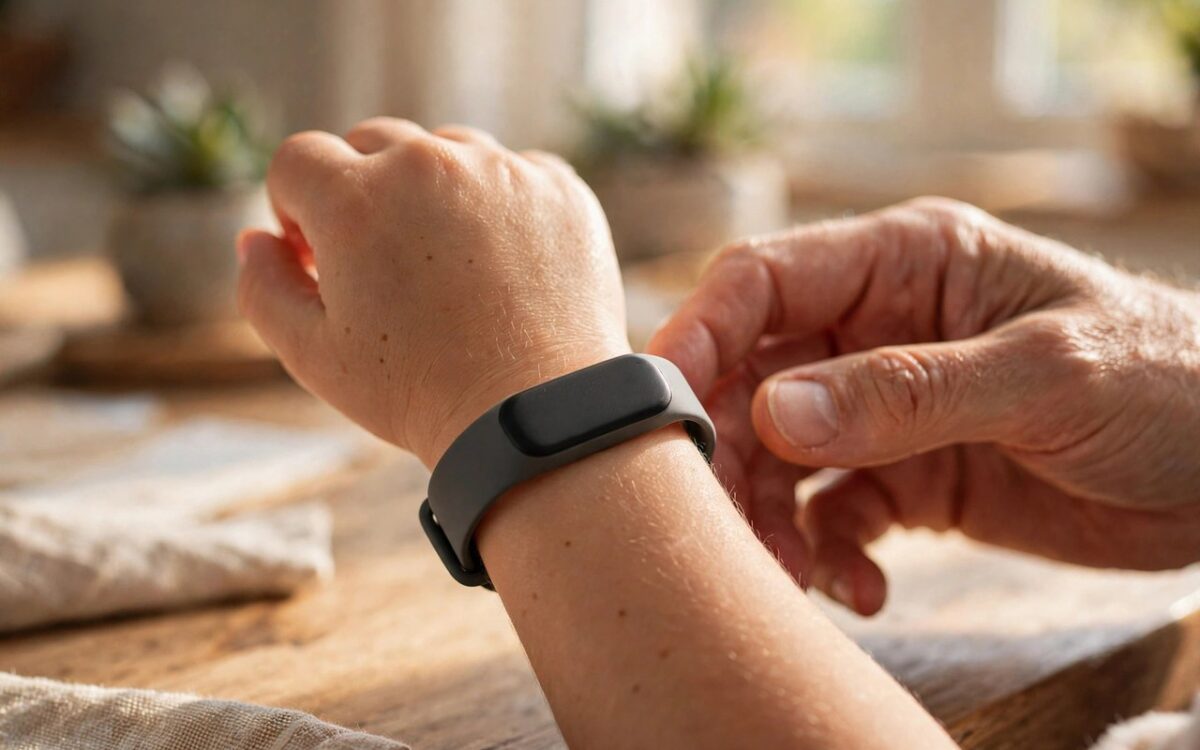
AI-enabled wearables can predict distress in autistic children minutes before it becomes visible, giving caregivers a crucial window to intervene, new research shows.
A review highlighted by the North London NHS Foundation Trust found that simple wristbands and ankle trackers detect small changes in heart rate, skin response and movement that typically precede aggressive episodes by one to three minutes — with high accuracy across specialist psychiatric settings.
The devices worked best when personalised to each child, and wrist-based devices were well tolerated in daily life. As psychiatrist Dr Shabina Sheth noted, the true test is whether a child can wear them "in school, at home, or during sensory overwhelm", not just in a lab.
Separately, 15-year-old Delhi student Vidit Bhayana built VB Senacquard, a low-cost wearable that aims to alert caregivers up to 25 minutes before a sensory meltdown. He is now among the Top 40 young innovators of Samsung's Solve for Tomorrow programme.
The research matters because for many families, behavioural escalation feels unpredictable. A one-minute warning can change everything.

Khabar 24h Editorial Desk — our explainers are prepared by the Khabar 24h editorial team using AI-assisted research tools, and every piece is reviewed by a human editor before publishing. We do not claim original reporting: our work is turning complex topics into simple, accurate summaries. Spotted an error? Write to contact@khabar24h.com — our corrections policy aims for same-day review.
More from this author →
Leave a Reply