India’s carbon market debuts in October: how CCTS works
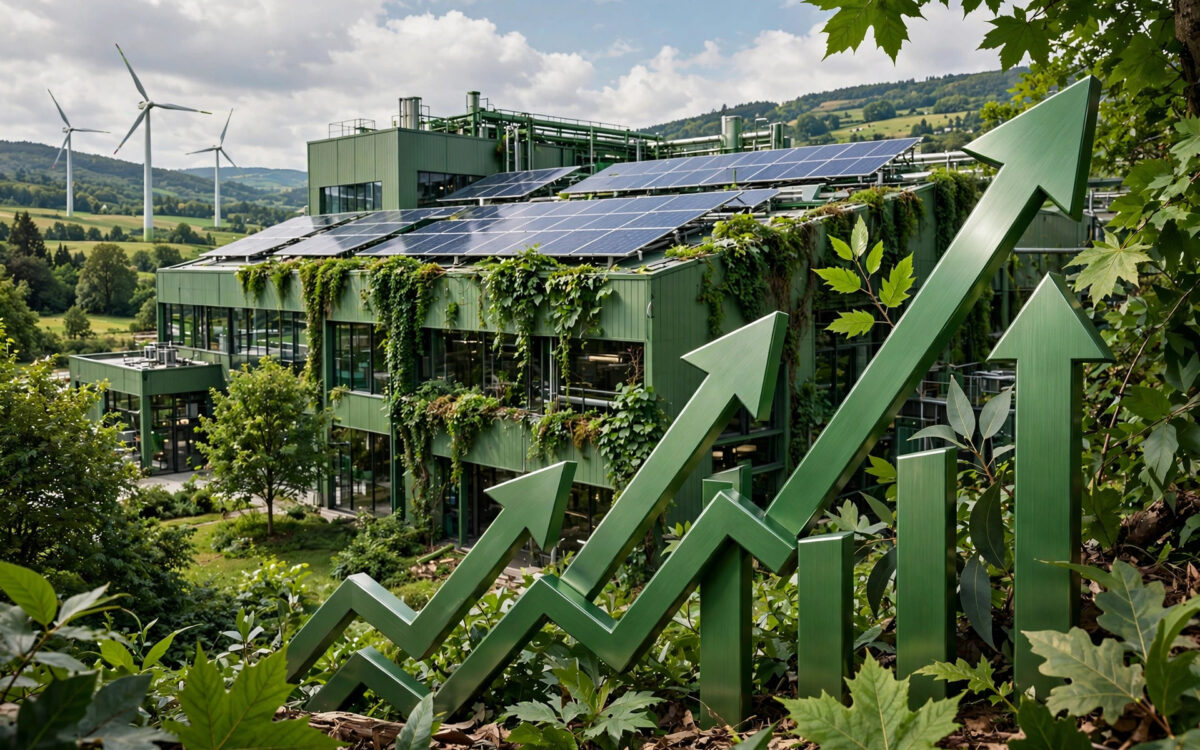
India’s first compliance carbon market begins trading this October. Here is how the Carbon Credit Trading Scheme (CCTS) will work — and who has to play.
**Who is in.** Around 490-740 obligated entities across nine sectors — including aluminium, cement, chlor-alkali, pulp and paper, petroleum refining, petrochemicals and textiles — must meet facility-specific emission intensity (GEI) targets. Targets are set against an FY23-24 baseline: 1-3% cuts for FY25-26, tightening to 2-8% for FY26-27. Iron, steel and fertiliser targets are still pending.
**How it works.** Beat your target and you earn Carbon Credit Certificates (CCCs), bankable for future use. Miss it and you must buy CCCs from the market — or pay twice the average market price plus statutory penalties of up to Rs 10 lakh. Trading happens on the IEX, PXIL and HPX power exchanges, with no over-the-counter deals at launch. A GRID-INDIA registry tracks credits, under CERC oversight. Early estimates put CCCs at Rs 600-900 per tonne.
**Why it matters.** The scheme replaces the PAT efficiency programme and turns emissions into a tradeable asset. Form A compliance filings were due July 31, 2026 — the first trades will show whether India can price carbon at scale.
Related stories
View all →
Iran-UAE-Israel: a week of secret talks and sharp warnings
Iran-UAE-Israel explained: Netanyahu's secret Abu Dhabi visit, Tehran's warnings of 'dangerous consequences', and Saudi Arabia's denial of joining talks.

NEET going online: what CBT means for medical aspirants
NEET-UG explained: what the shift from pen-and-paper to computer-based testing means, why the 2026 leak forced the change, and how aspirants should…
Why petrol costs Rs 82 in one state and Rs 109 in another
Why fuel prices differ between Indian states: the base price is similar, but state VAT ranges from 17% to 39%, creating gaps…

Khabar 24h Editorial Desk — our explainers are prepared by the Khabar 24h editorial team using AI-assisted research tools, and every piece is reviewed by a human editor before publishing. We do not claim original reporting: our work is turning complex topics into simple, accurate summaries. Spotted an error? Write to contact@khabar24h.com — our corrections policy aims for same-day review.
More from this author →
Leave a Reply