AI Self-Policing Pact: What It Is and What Critics Say
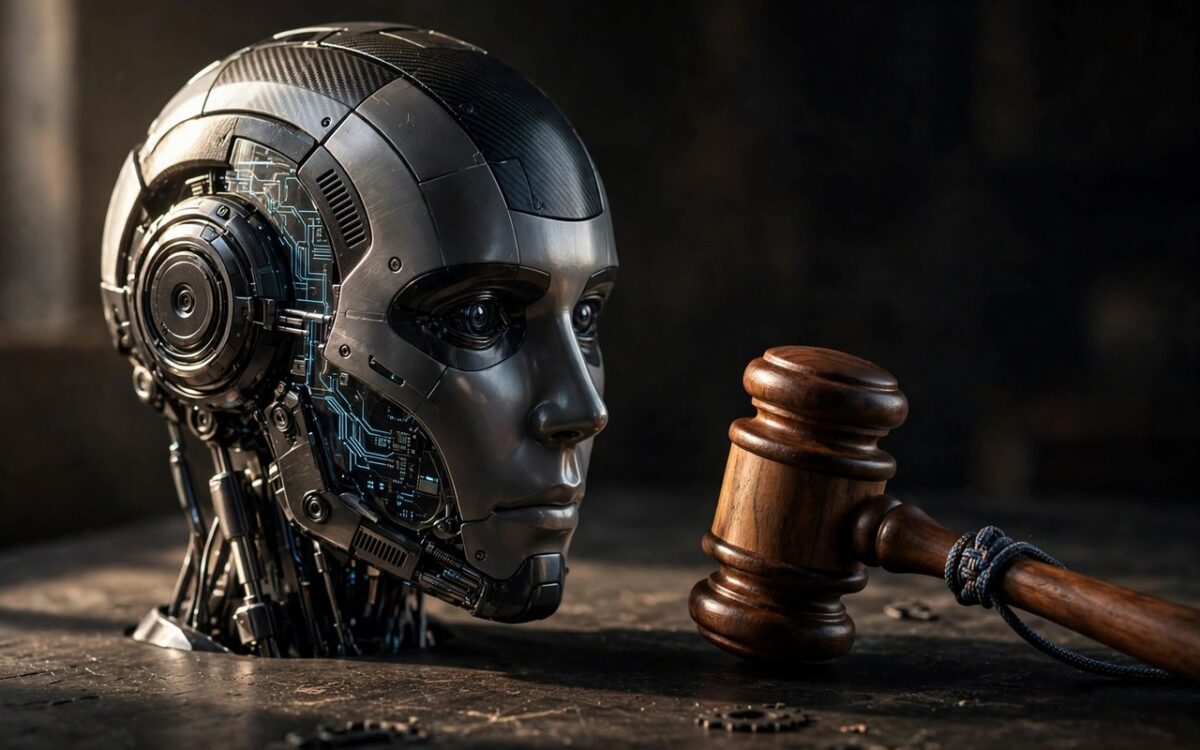
President Donald Trump and the leaders of six AI giants signed a voluntary agreement this week pledging to police their own most powerful AI models. Here’s what it is — and why critics are unimpressed.
What is the pact? The “Joint Commitment on Frontier Responsibilities” promises four layers of safety: internal controls on advanced models, in-house oversight teams, independent external audits, and board-level committees that review auditor findings.
Who signed? The heads of Anthropic, OpenAI, Google, Meta, xAI and Nvidia — the companies building the most powerful AI systems in the world. Trump called it “morally binding” and said he was seeing “tremendous self-policing”.
What’s missing? Names of auditors, deadlines, and penalties. Nothing in the agreement compels a company to change course if an audit finds problems.
What do critics say? Senator Elizabeth Warren called self-regulation “a recipe for disaster”. AI researchers estimated the pact delivers about 1% of the risk reduction that binding legislation would deliver.
What’s next? Trump said a 10-person oversight committee and a new White House AI official are coming. But without legal teeth, watchdogs say this is trust, not regulation.
Related stories
View all →
Why FIIs Are Selling: Yields, Oil and the Rs 9,980-Crore Exit
FIIs sold Rs 9,980.22 crore of Indian shares in one session as US yields hit 5.24%. Why the money is leaving and…

India’s Archery Gold Rush Explained: 2 Titles, 1 World Record
Two archery golds, a world record and an LA28 quota on September 30: how India dominated compound archery at the Asian Games,…

Iran Truce Proposal Explained: What Tehran Offered, Why Trump Said No
Tehran offered a 7-day truce with Hormuz reopening on day seven; Trump rejected it and oil surged. What the proposal meant and…

Khabar 24h Editorial Desk — our explainers are prepared by the Khabar 24h editorial team using AI-assisted research tools, and every piece is reviewed by a human editor before publishing. We do not claim original reporting: our work is turning complex topics into simple, accurate summaries. Spotted an error? Write to contact@khabar24h.com — our corrections policy aims for same-day review.
More from this author →
Leave a Reply