RBI’s $20 bn FX blitz: what it means for borrowers
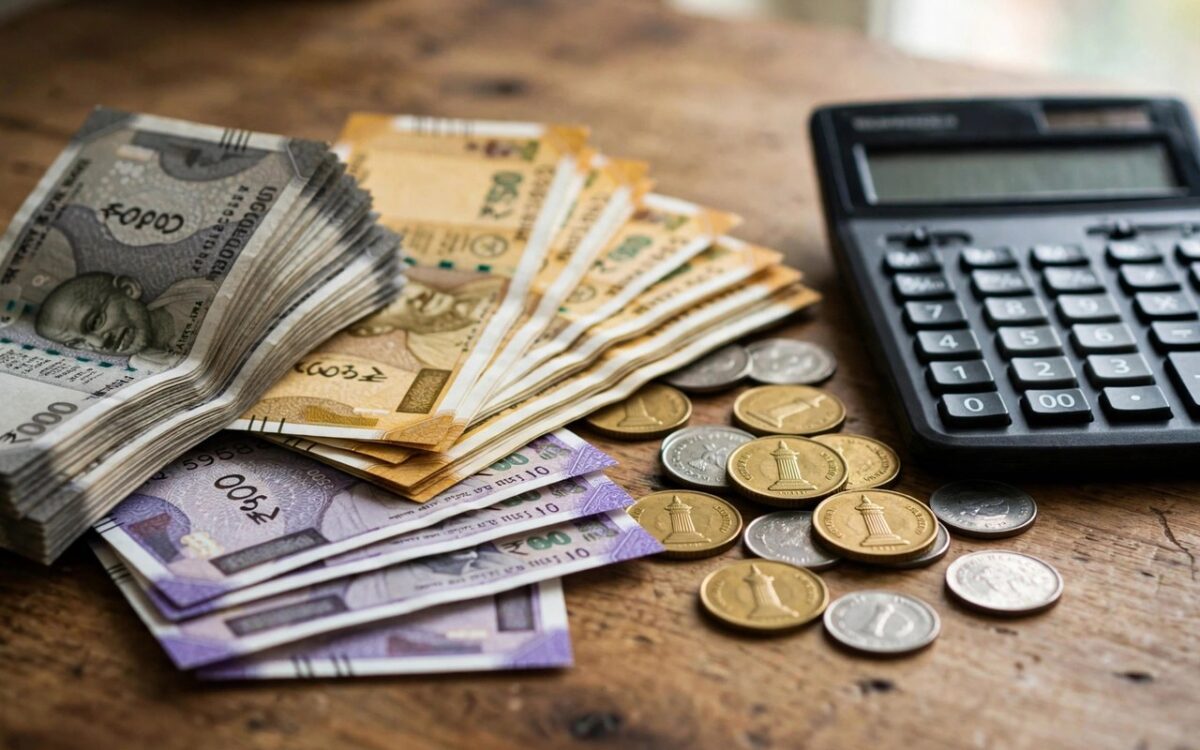
The Reserve Bank of India has sold nearly $20 billion in the foreign exchange market over five weeks to defend the rupee, and the side effects are now showing up in borrowing costs. Here is how the chain works.
When the RBI sells dollars, it absorbs rupees from the banking system, draining liquidity. The system surplus collapsed from nearly Rs 1.95 lakh crore in late August to just Rs 7,650 crore on September 25. Scarcer liquidity pushes up money-market rates: the weighted average lending rate on fresh deposits rose to 7.05% in August.
For borrowers, that means banks face higher funding costs, which eventually feed into loan pricing — even without a policy rate hike. The RBI is choosing currency stability over easy liquidity, a trade-off it makes when rupee weakness threatens imported inflation. With a rate decision looming, markets will watch whether the central bank keeps intervening, lets the rupee adjust, or tightens further.
Related stories
View all →
BSE enters Nifty 50, Wipro exits: what it means for investors
BSE replaces Wipro in the Nifty 50 from September 30. Here is why it happened and what it means for your investments.

US troops leave Iraq: what changes after 20 years
American forces have left Iraq after two decades. Here is why they left, what happens next, and what it means for the…

India’s 8% IIP growth, explained: what it means for you
India's industrial output grew 8% in August. Here is what the IIP means, why manufacturing surged, and what it signals for jobs.

Khabar 24h Editorial Desk — our explainers are prepared by the Khabar 24h editorial team using AI-assisted research tools, and every piece is reviewed by a human editor before publishing. We do not claim original reporting: our work is turning complex topics into simple, accurate summaries. Spotted an error? Write to contact@khabar24h.com — our corrections policy aims for same-day review.
More from this author →
Leave a Reply