Stoicism Explained: The Ancient Philosophy Behind Modern Resilience
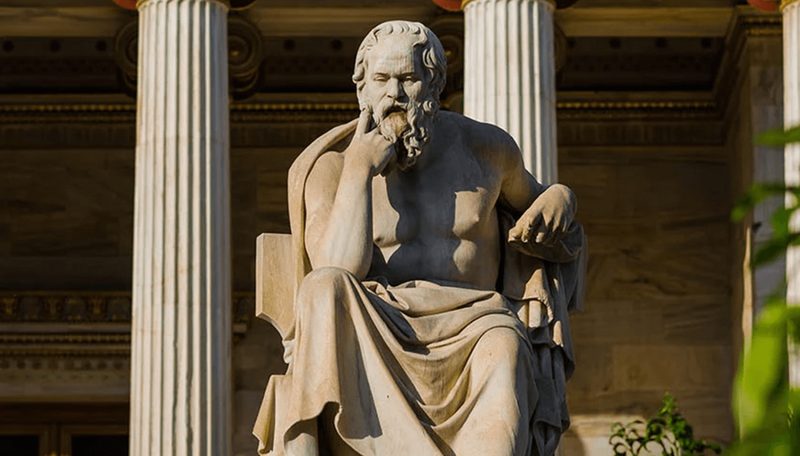
A philosophy invented in ancient Athens, refined in Rome, and practised by an emperor, now tops bestseller lists and fills Silicon Valley podcasts. Stoicism, the 2,300-year-old school teaching that virtue is the only good and that peace comes from mastering one’s judgments, has become modernity’s favourite ancient wisdom. Cognitive therapy borrowed its techniques; soldiers, athletes and executives borrow its maxims. What is it about this stern old philosophy that speaks so directly to the anxious present?
From the painted porch to the palace
Stoicism was founded around 300 BCE by Zeno of Citium, who taught in Athens’ Stoa Poikile, the painted porch that gave the school its name. It was systematised by Chrysippus, popularised in Rome by Seneca, the wealthy adviser to Nero, Epictetus, a freed slave whose lectures became a manual of freedom, and Marcus Aurelius, the emperor who wrote his Meditations in Greek on military campaigns along the Danube. That a slave and an emperor found the same philosophy liberating tells you something about its universal claim: externals do not determine the soul.
The dichotomy of control
Stoicism’s master tool is the dichotomy of control: some things are up to us, our judgments, intentions and actions, and some are not, our health, wealth, reputation and everything other people do. Suffering comes from confusing the two, demanding that the world obey our preferences. Epictetus put it bluntly: it is not things that upset us, but our judgments about things. The practice is to pour energy into what you control, your character and choices, and meet the rest with equanimity. Modern therapists recognise the move: it is the ancestor of cognitive reframing.
Virtue as the only good
The Stoics made a radical claim: the only true good is virtue, wisdom, justice, courage and moderation. Health, wealth and status are preferred indifferents, nice to have, but irrelevant to a good life, and incapable of harming the person who loses them. This is why Stoicism appealed to the powerless and the powerful alike: the slave Epictetus could be freer than his master if his soul was well-ordered. It is also why the philosophy can sound cold; critics have always asked whether it asks humans to feel too little.
Stoic spiritual exercises
Stoicism was a practice, not a theory. Its exercises include negative visualisation, imagining loss to appreciate what you have; the view from above, seeing your troubles against cosmic scale; memento mori, remembering death to clarify priorities; and the evening review, examining the day’s actions like a judge. Marcus Aurelius rehearsed that difficult people are inevitable and that obstacles become fuel: the impediment to action advances action. These are technologies of attention, designed to be used daily, which is why the philosophy translates so well to morning routines and journals.
Why Silicon Valley fell for Stoicism
The modern revival has engines: popularisers who framed Stoicism as an operating system for high performers, and a cultural moment hungry for resilience. Entrepreneurs like its focus on process over outcome; soldiers use it for composure under fire; therapists formalised its insights into cognitive behavioural therapy. The NFL, the military and startups all run on Stoic-inflected mental training. The philosophy’s unsentimental clarity, no complaints, no excuses, control what you can, fits an age of volatility and information overload.
The criticisms
Detractors argue modern Stoicism is often Stoicism-lite: ancient wisdom repackaged as productivity content, stripped of its demanding ethics and its physics. The philosophy’s defenders reply that adaptation is the point; Stoicism always aimed at use, not scholarship. A deeper charge is quietism: does accepting what you cannot control discourage fighting injustice? The Stoics’ answer was that justice is itself a virtue, and Marcus Aurelius spent his reign labouring for the common good. Acceptance of fate was never meant to mean indifference to wrongs.
FAQs
What is the main idea of Stoicism? Focus only on what you can control, your judgments and actions, and accept everything else with equanimity; virtue is the only true good.
Is Stoicism about suppressing emotions? Not quite; it teaches examining the judgments behind emotions rather than being ruled by them. The sage feels, but is not enslaved.
Who were the famous Stoics? Seneca, Epictetus and Emperor Marcus Aurelius are the big three whose writings survive.
Stoicism endures because its problem is permanent: the world will not obey us, and we must live in it anyway. The painted porch is long gone, but its lesson, that freedom is an inside job, keeps finding new students.
Compiled by the Khabar 24h Editorial Desk from publicly available sources.

Khabar 24h Editorial Desk — our explainers are prepared by the Khabar 24h editorial team using AI-assisted research tools, and every piece is reviewed by a human editor before publishing. We do not claim original reporting: our work is turning complex topics into simple, accurate summaries. Spotted an error? Write to contact@khabar24h.com — our corrections policy aims for same-day review.
More from this author →