The Global Refugee System Explained: How Asylum and Resettlement Work
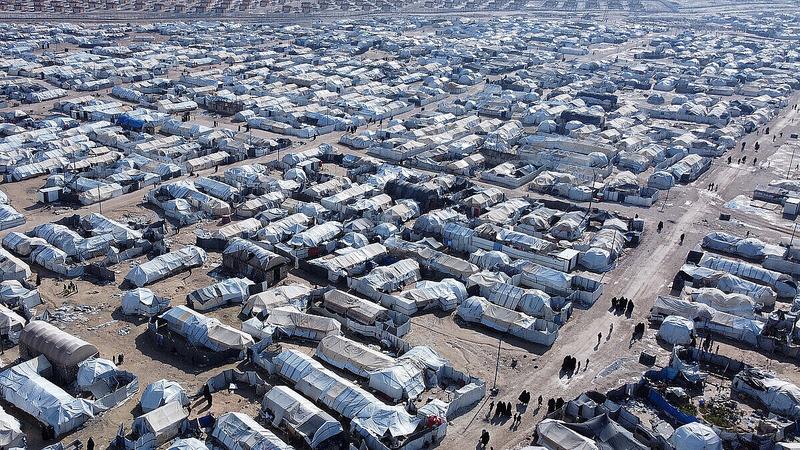
Over 43 million people are refugees, forced from their countries by war and persecution, the most since World War II. They are protected by a system built in 1951: a UN convention, a UN agency, and the principle that no one should be sent back to face persecution. That system is now overwhelmed by numbers, starved of funds and challenged by governments. This explainer shows how asylum and resettlement actually work.
The legal foundation
The 1951 Refugee Convention defines a refugee as someone fleeing persecution based on race, religion, nationality, political opinion or social group membership. Its core is non-refoulement: no returning people to danger. UNHCR, the UN refugee agency, coordinates protection for 43 million refugees plus millions more displaced. The system was designed for Cold War dissidents in Europe; it now strains under mass displacements from Syria, Ukraine, Afghanistan, Venezuela and Sudan. Most refugees never reach the West: the vast majority are hosted in neighbouring developing countries.
How asylum works
Asylum is the process by which individuals claim protection. A person reaching a signatory country can apply; authorities assess credibility, often over months or years; recognition brings rights to work, welfare and eventual settlement, while rejection means deportation. Backlogs are enormous: millions wait in limbo. Governments have erected ever-higher barriers: safe-third-country deals, offshore processing, pushbacks at sea, and walls both physical and legal. The tension is fundamental: the right to seek asylum is universal, but states control their borders.
How resettlement works
Resettlement, the organised transfer of refugees from host countries to new homes, is the system’s smallest and most generous channel: under 5 per cent of refugees are resettled yearly. UNHCR identifies the most vulnerable; receiving countries, led historically by the US, Canada and Australia, vet and admit them. Private sponsorship, pioneered by Canada, lets citizens directly sponsor families with remarkable success. Resettlement is life-changing for the few and symbolic for the many: proof that solidarity exists, at a scale that barely dents the need.
- Over 43 million refugees worldwide; total forcibly displaced exceeds 120 million.
- Most refugees are hosted in developing countries near conflict zones.
- Turkey, Iran, Colombia, Germany and Pakistan host the largest numbers.
- Less than 5% of refugees are resettled to third countries each year.
Who hosts the most
The burden is wildly unequal. Turkey hosts over 3 million Syrians; Iran and Pakistan host millions of Afghans; Colombia absorbed millions of Venezuelans; Germany took in over a million in 2015-16. Lebanon hosts the most per capita, one refugee per few citizens. These hosts receive a fraction of the funding needed: UNHCR appeals are chronically underfunded, leaving refugees in camps and cities with dwindling rations. The West’s panic over arrivals is, by the numbers, a panic over a small share of a crisis borne by the poor.
Why the system is breaking
The refugee regime faces a perfect storm: record numbers, donor fatigue, and governments openly defying its norms. Pushbacks in the Mediterranean and at land borders violate non-refoulement with impunity. Deals that pay third countries to hold refugees, the EU-Turkey deal, Britain’s Rwanda plan, outsource obligations. Climate displacement, unrecognized by the convention, grows. Reform ideas abound: global responsibility-sharing, expanded legal pathways, development aid to host regions. But the political will flows the other way: toward deterrence, deals and walls.
FAQs
What is the difference between a refugee and a migrant? Refugees flee persecution or conflict and have legal protections; migrants move mainly for work or family.
Which countries host the most refugees? Turkey, Iran, Colombia, Germany and Pakistan; most refugees stay in developing regions near their homes.
What is non-refoulement? The core legal principle forbidding the return of refugees to countries where they face persecution.
The refugee system is humanity’s promise that the persecuted will find shelter. It has saved millions of lives and now buckles under the weight of its own ideals. Whether it is reformed or abandoned will say everything about the world the 21st century becomes.
Rebuilding the refugee system requires what built it: political courage. Fairer responsibility-sharing, expanded resettlement, legal pathways and funded host regions are all technically feasible. What is missing is the will, as governments compete to appear toughest. The 1951 promise was made by people who had seen the alternative; honouring it is a choice each generation must remake.
Source: UNHCR

Khabar 24h Editorial Desk — our explainers are prepared by the Khabar 24h editorial team using AI-assisted research tools, and every piece is reviewed by a human editor before publishing. We do not claim original reporting: our work is turning complex topics into simple, accurate summaries. Spotted an error? Write to contact@khabar24h.com — our corrections policy aims for same-day review.
More from this author →