Global Migration Explained: Why 300 Million People Live Outside Their Birth Country
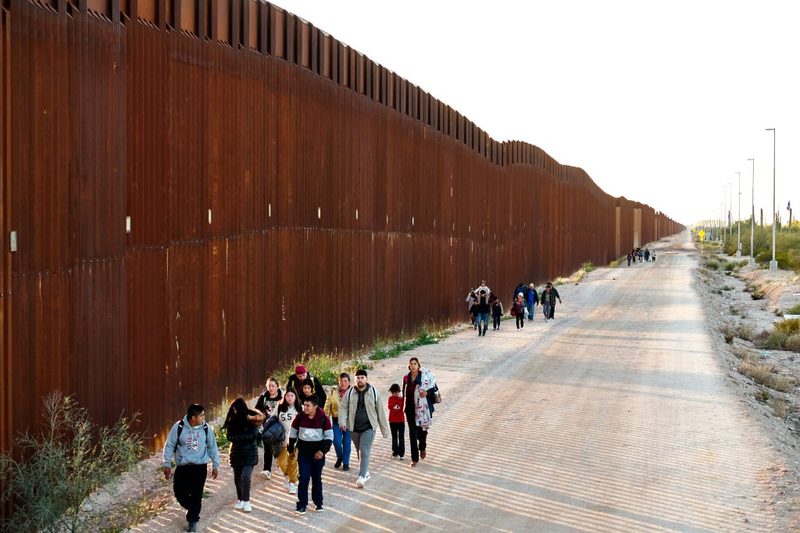
Nearly 300 million people, almost 4 per cent of humanity, live outside the country where they were born, the most in recorded history. They are nurses in London, builders in Dubai, engineers in Silicon Valley, farmers’ sons in search of wages. Migration is as old as humanity, but its scale, speed and politics are thoroughly modern. This explainer shows why people move, where they go, and how migration is reshaping the world.
Why people migrate
Migration scholars sort motives into push and pull. Push factors: poverty, unemployment, war, persecution, and increasingly climate disasters that destroy livelihoods. Pull factors: higher wages, labour shortages, family networks, and the dream of a better life for children. Economics dominates: a worker can multiply their income tenfold by crossing a border, the largest arbitrage in the global economy. Networks matter enormously: once a village has migrants in a destination, information and help flow, chain migration that explains why certain towns empty into certain cities.
Where migrants go
The great corridors are familiar: Mexico to the United States, India and the Philippines to the Gulf, North Africa to Europe, rural China to its coastal megacities, Eastern Europe westward. The US hosts the most migrants, about 50 million; Saudi Arabia, Germany, Russia and the UK follow. South-South migration, between developing countries, actually exceeds South-North flows but gets less attention. Megacities are the magnets: Dubai, London, New York and Singapore run on migrant labour, their skylines built by hands from elsewhere.
What migration does to economies
The economics are overwhelmingly positive in aggregate. Migrants fill labour shortages, from German care homes to Gulf construction sites, pay taxes, and start businesses at high rates. Remittances, near a trillion dollars yearly, transform home economies. The costs are distributional: low-skilled native workers can face wage pressure, though studies find the effects modest, and rapid inflows strain housing and services. The deeper economic truth: ageing rich countries need migrants to sustain pensions and growth, a demographic arithmetic no border wall can change.
- About 300 million people live outside their birth country.
- The US hosts around 50 million migrants, the most of any country.
- Migrants send home nearly a trillion dollars a year in remittances.
- Most migration is legal and labour-driven; refugees are a small minority.
The politics of movement
Migration is the defining political issue of the age because it fuses economics, identity and security. Populists from Washington to Budapest to Delhi have ridden anti-immigration waves to power, promising walls and deportations. The backlash has real roots: strained services, cultural anxiety, wage fears, but it also thrives on myth: most voters vastly overestimate migrant numbers and crime rates. Mainstream parties lurch between humanitarian rhetoric and restrictionist policy. The result is incoherence: economies that need migrants governed by politics that demonise them.
Climate migration looms
The next wave is already forming: the World Bank projects over 200 million internal climate migrants by 2050 as heat, drought and sea-level rise destroy livelihoods. International law offers them little: the refugee convention does not cover climate displacement. Bangladesh, the Sahel and small island states face the sharpest pressures. How the world handles climate migration, with dignity or with walls, will define the humanity of the century’s middle decades.
FAQs
How many migrants are there? About 300 million international migrants, roughly 4% of the world’s population, plus hundreds of millions of internal migrants.
Do migrants take jobs? Research generally finds modest effects on native wages; migrants also create demand, fill shortages and start businesses.
What is the difference between migrants and refugees? Refugees flee persecution or war with legal protections; most migrants move voluntarily for work or family.
Migration is humanity’s oldest story retold at unprecedented scale: people moving toward hope. The 300 million are not a crisis to be solved but a reality to be managed, with the wisdom to see both the strains and the extraordinary human energy they represent.
Managing migration wisely is the policy challenge of the century: matching labour needs with legal pathways, sharing responsibility fairly, and treating migrants as people rather than problems. Walls signal resolve but rarely stop movement; they mostly make it deadlier. The 300 million will keep coming as long as hope outruns hardship, and the world’s task is to turn that human energy into shared prosperity.
Compiled by the Khabar 24h Editorial Desk from publicly available sources.

Khabar 24h Editorial Desk — our explainers are prepared by the Khabar 24h editorial team using AI-assisted research tools, and every piece is reviewed by a human editor before publishing. We do not claim original reporting: our work is turning complex topics into simple, accurate summaries. Spotted an error? Write to contact@khabar24h.com — our corrections policy aims for same-day review.
More from this author →