The WTO Explained: How Global Trade Rules Are Made and Enforced
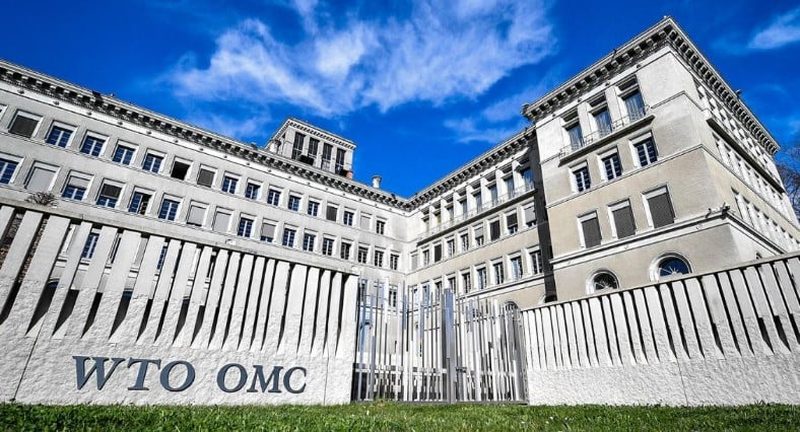
Almost everything you buy that crossed a border travelled under rules written in Geneva. The World Trade Organization, with 166 members, sets the terms of global commerce: how high tariffs can go, what subsidies are allowed, and how countries resolve trade fights. Its dispute system was once called the crown jewel of global governance. Today it is half-paralysed, its negotiating arm stalled, and its relevance questioned. This explainer shows how the WTO makes and enforces trade rules, and why the system is struggling.
How the rules are made
The WTO’s rulebook descends from the 1947 GATT, built on two simple principles: most-favoured-nation treatment, meaning any trade favour granted to one member must be granted to all, and national treatment, meaning foreign goods cannot be discriminated against once inside. Rounds of negotiations cut tariffs dramatically over decades, but the last big round, Doha, launched in 2001, collapsed amid rich-poor divides over farm subsidies. Since then, rule-making has shifted to smaller plurilateral deals among willing members, on e-commerce, services and investment, while the grand bargains of the past look increasingly out of reach.
How disputes are settled
The WTO’s enforcement works like a court. A country complains that another broke the rules; panels of experts hear the case; and if the loser does not comply, the winner can impose retaliatory tariffs. For 25 years the system worked remarkably well, handling over 600 disputes, from American steel tariffs to European banana regimes. Its teeth were the Appellate Body, the final court of appeal. In 2019, the United States blocked appointments to that body, leaving it without enough judges to function. Since then, appeals go into a void, and members increasingly settle fights through raw power rather than rules.
Why the US broke the court
Washington’s grievance is that WTO judges overreached, constraining American trade defences, especially against China, through creative legal interpretations. Successive US administrations, Obama, Trump and Biden, all refused to appoint new judges until the system was reformed. Critics of the US position say it killed the referee because it disliked some calls, and that the real target was China’s ability to hide behind rules while subsidising its industries. Reform talks drag on, but no fix has restored the Appellate Body, leaving the rules-based system running on fumes.
- 166 member countries, covering about 98 per cent of world trade.
- Over 600 trade disputes have been filed since 1995.
- The Appellate Body has been non-functional since December 2019.
- Average tariffs in rich countries fell from around 40% in 1947 to under 5% today.
The China problem
China’s 2001 entry was supposed to liberalise its economy; instead, Beijing mastered the system while keeping vast state support for industry. Western governments argue WTO rules, written before China’s rise, cannot handle state capitalism: forced technology transfer, massive subsidies and state-owned giants. Attempts to write new rules on industrial subsidies have stalled, partly because China, now a veto-wielding insider, blocks them. The result is a wave of unilateral action, US tariffs, EU anti-subsidy probes, that bypasses Geneva entirely. The WTO’s inability to discipline its largest trader is the system’s deepest failure.
Is the WTO still relevant?
Reports of the WTO’s death are exaggerated but not baseless. Its tariff bindings still constrain protectionism daily; its transparency rules still expose trade barriers; and most disputes still settle without appeals. But the action has moved elsewhere: to bilateral deals, to friend-shoring blocs, to raw economic coercion. The WTO’s future likely lies in humbler roles: keeping existing rules alive, writing narrow digital-age agreements, and waiting for geopolitics to allow grand bargains again. Global trade needs a referee; whether it gets one back is a political choice.
FAQs
What does the WTO do? It sets global trade rules, hosts negotiations to lower barriers, and adjudicates disputes between member countries.
Why can’t the WTO punish rule-breakers now? Its appeals court has no judges because the US blocked appointments, so rulings can be appealed into limbo.
Is China following WTO rules? It follows the letter of many rules while using state support the rules were not designed to handle; reform efforts are deadlocked.
The WTO built the legal plumbing of globalisation, then watched the great powers start digging around it. Its rules still govern trillions in trade, but its authority fades each year the courtroom stays empty. The question is whether the world wants rules at all, or just leverage.
Compiled by the Khabar 24h Editorial Desk from publicly available sources.

Khabar 24h Editorial Desk — our explainers are prepared by the Khabar 24h editorial team using AI-assisted research tools, and every piece is reviewed by a human editor before publishing. We do not claim original reporting: our work is turning complex topics into simple, accurate summaries. Spotted an error? Write to contact@khabar24h.com — our corrections policy aims for same-day review.
More from this author →