Taiwan Explained: The Island at the Centre of the US-China Rivalry
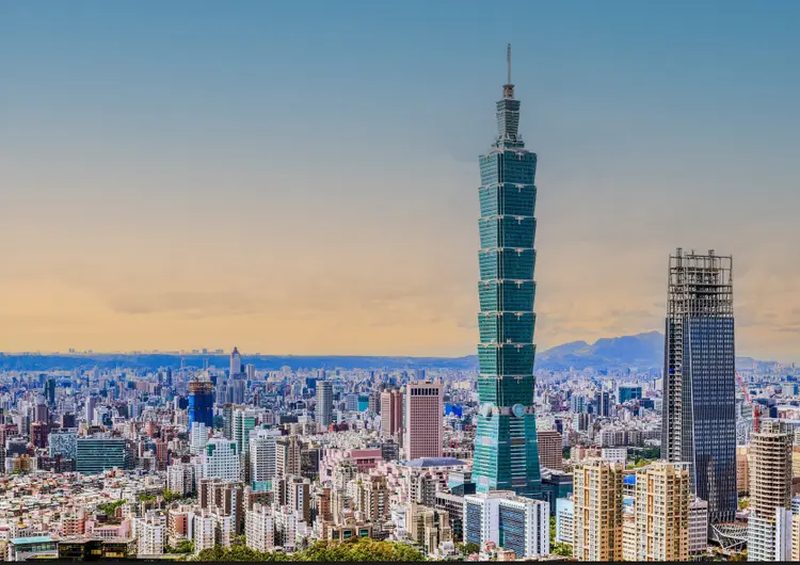
Taiwan is the most dangerous place in the world that most people cannot find on a map: a democratic island of 23 million people that China claims as its own and the United States is committed to defending, without quite saying so. It is also the source of the advanced semiconductors the entire global economy runs on. Taiwan sits at the exact centre of the US-China rivalry, and its fate could decide the balance of power in Asia for decades. This explainer covers the island’s history, its democracy, and why it matters so much.
How Taiwan got here
Taiwan’s modern story begins in 1949, when Chiang Kai-shek’s Nationalists fled to the island after losing China’s civil war to the Communists. For decades Taiwan was an authoritarian one-party state under martial law, even as it industrialised at breakneck speed. Then, remarkably, it democratised from within: martial law was lifted in 1987, direct presidential elections began in 1996, and power has since changed hands peacefully between the independence-leaning Democratic Progressive Party and the more China-friendly Kuomintang. Few countries have travelled from dictatorship to vibrant democracy so completely in a single lifetime.
What China wants
Beijing considers Taiwan a breakaway province and reunification a core national goal, to be achieved peacefully if possible and by force if necessary. Under Xi Jinping, the pressure has intensified: near-daily military flights and naval patrols around the island, economic coercion, diplomatic isolation that has shrunk Taiwan’s official allies to a dozen small states, and influence campaigns in Taiwanese media and politics. China has never renounced the use of force, and its military buildup is increasingly designed around a Taiwan scenario. The 2022 visit to Taipei by then-US House Speaker Nancy Pelosi triggered unprecedented Chinese military exercises that effectively rehearsed a blockade.
What the US position is
Washington’s policy is a masterpiece of deliberate ambiguity. The US recognises Beijing diplomatically and has no formal alliance with Taipei, but the Taiwan Relations Act commits it to helping Taiwan defend itself, and it sells the island billions in weapons. American presidents have been strategically vague about whether US forces would actually fight for Taiwan, a stance meant to deter both a Chinese attack and a Taiwanese declaration of independence. In recent years, as China’s military power has grown, that ambiguity has frayed: President Biden said several times the US would defend Taiwan, before aides walked the remarks back. Congress, meanwhile, grows more hawkish by the year.
- Taiwan’s TSMC makes over 90 per cent of the world’s most advanced chips.
- Polls consistently show most Taiwanese prefer the status quo over either unification or formal independence.
- The Taiwan Strait is one of the world’s busiest shipping lanes.
- Taiwanese identity has surged: most young people now identify solely as Taiwanese, not Chinese.
The chip factor
Taiwan’s semiconductor dominance, the silicon shield, raises the stakes enormously. A Chinese invasion would likely destroy or disrupt TSMC’s fabs, triggering a global economic shock measured in trillions of dollars. That gives the whole world, including China, a stake in peace, though sceptics note economic interdependence did not stop past wars. It also explains the frantic Western effort to build chip capacity elsewhere: everyone wants insurance against a Taiwan crisis, even as no alternative can match the island’s scale.
Could there be war?
US intelligence and military leaders have publicly worried about Chinese capabilities maturing by 2027, though capability is not intent. Most analysts believe Beijing still prefers coercion and political warfare to the colossal gamble of invasion, which could fail, wreck China’s economy and trigger a regional war. But the trend lines are grim: military balance shifting toward China, Taiwanese politics polarised, and US-China relations at historic lows. Taiwan’s own strategy is the porcupine defence: make invasion so costly that Beijing never tries, while keeping its democracy and economy thriving as a standing rebuke to authoritarianism.
FAQs
Is Taiwan a country? It functions as one, with its own government, military, currency and elections, but most nations, including the US, do not formally recognise it to avoid angering Beijing.
Would the US fight for Taiwan? Officially ambiguous. US law requires helping Taiwan defend itself, but no treaty guarantees American military intervention.
Do Taiwanese want independence? Most favour maintaining the current de facto independence without a formal declaration, which Beijing has said could trigger war.
Taiwan is where the 21st century’s biggest questions collide: democracy versus authoritarianism, economic interdependence versus security, and whether the world’s great powers can manage their rivalry without catastrophe. The island’s 23 million people did not choose to be the fulcrum of history, but history chose them anyway.
Compiled by the Khabar 24h Editorial Desk from publicly available sources.

Khabar 24h Editorial Desk — our explainers are prepared by the Khabar 24h editorial team using AI-assisted research tools, and every piece is reviewed by a human editor before publishing. We do not claim original reporting: our work is turning complex topics into simple, accurate summaries. Spotted an error? Write to contact@khabar24h.com — our corrections policy aims for same-day review.
More from this author →