Macau Explained: Casinos, Colonial History and Life Under One Country, Two Systems
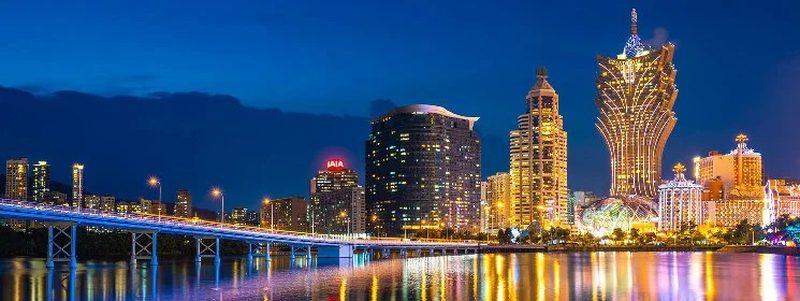
Macau is a paradox: a tiny territory of 700,000 people that generates several times the gambling revenue of Las Vegas, governed under a Portuguese-era legal system but ultimately answering to Beijing. A former Portuguese colony handed back to China in 1999, Macau operates under the same one country, two systems formula as Hong Kong, but with far less friction. Its story, of colonial history, casino billions and quiet political compliance, is the less dramatic but equally revealing sibling of Hong Kong’s. This explainer unpacks how Macau works.
The colonial past
Portugal administered Macau for over 400 years, far longer than Britain held Hong Kong, making it the last European colony in Asia. The handover in December 1999 was deliberately low-key, in contrast to Hong Kong’s grand 1997 ceremony, reflecting Macau’s smaller strategic weight. Under the Basic Law, Macau keeps its own legal system, currency (the pataca), immigration controls and a capitalist economy for 50 years, until 2049. Portuguese remains an official language alongside Chinese, and the territory’s egg tarts, colonial facades and street names preserve a Lusitanian flavour found nowhere else in China.
How the casinos took over
Gambling was legalised in Macau in the 19th century, but the modern boom began in 2002, when the government ended Stanley Ho’s monopoly and opened the market to foreign operators like Las Vegas Sands and Wynn. The timing was perfect: China’s rising middle class had money and a taste for baccarat, and Macau was the only place under Chinese sovereignty where casinos were legal. Revenue exploded, peaking at more than seven times Las Vegas’s take. The Cotai Strip, built on reclaimed land between two islands, rose as Asia’s answer to the Strip, with Venetian-style mega-resorts drawing tens of millions of visitors a year, overwhelmingly from mainland China.
One country, two systems, Macau-style
Macau’s version of one country, two systems has been strikingly smooth, mainly because Macau never developed Hong Kong’s tradition of dissent. The territory passed its own national security law back in 2009 with little protest, its legislature is dominated by pro-Beijing figures, and its chief executive is chosen by a small election committee. Beijing holds Macau up as the model student to Hong Kong’s rebel: proof, in its telling, that the formula works when locals cooperate. Critics say Macau’s compliance was bought with casino wealth and reflects a smaller, less politicised society, not a replicable model.
- Macau’s gambling revenue has at times exceeded 40 billion dollars a year, dwarfing Las Vegas.
- Gaming taxes fund the bulk of government revenue, enabling generous welfare payouts to residents.
- The territory’s population density is among the highest in the world.
- Macau’s Basic Law guarantees the system until 2049, twenty years sooner in spirit than Hong Kong’s 2047.
The crackdowns and the diversification push
The casino boom has not been uninterrupted. Beijing’s anti-corruption campaign in the mid-2010s crushed the VIP junket business that had funnelled high-rollers’ money through Macau, sending revenue plunging. The COVID years then sealed the borders and devastated the industry. Each shock has revived Beijing’s demand that Macau diversify away from gambling, into finance, tech, Chinese medicine and tourism tied to the Greater Bay Area. Progress has been slow: gaming still dominates, and the new concession contracts signed in 2022 require operators to invest billions in non-gaming attractions, a sign of how seriously Beijing takes diversification this time.
What Macau reveals about Beijing
Macau is often treated as a footnote, but it is really a preview. Its quiet acceptance of security laws, patriotic education and political vetting foreshadowed what Beijing later imposed on Hong Kong by force. The territory shows that one country, two systems can survive when the local elite cooperates and the money flows, and that Beijing’s patience for the formula depends on political obedience. As 2049 approaches, Macau’s fate will signal what China intends for all its special arrangements: absorption so gradual that by the deadline, there may be little left to absorb.
FAQs
Is Macau part of China? Yes. It is a Special Administrative Region of China with its own legal and economic systems guaranteed until 2049, but Beijing controls foreign policy and defence.
Why is gambling legal in Macau but not mainland China? The Basic Law preserves Macau’s capitalist system, including legal casinos; the mainland bans gambling, which is precisely what makes Macau so lucrative.
Do people in Macau speak Portuguese? Portuguese is an official language, but few residents speak it day to day; Cantonese dominates, with Mandarin and English widely used.
Macau’s story is the quiet half of one country, two systems: no mass protests, no international drama, just casino billions and steady integration. Whether that counts as success depends on what you think autonomy is for, but as Hong Kong’s turmoil showed, the quiet can be deceptive.
Compiled by the Khabar 24h Editorial Desk from publicly available sources.

Khabar 24h Editorial Desk — our explainers are prepared by the Khabar 24h editorial team using AI-assisted research tools, and every piece is reviewed by a human editor before publishing. We do not claim original reporting: our work is turning complex topics into simple, accurate summaries. Spotted an error? Write to contact@khabar24h.com — our corrections policy aims for same-day review.
More from this author →