How Switzerland’s Direct Democracy Works: Referendums, Cantons and Neutrality Explained
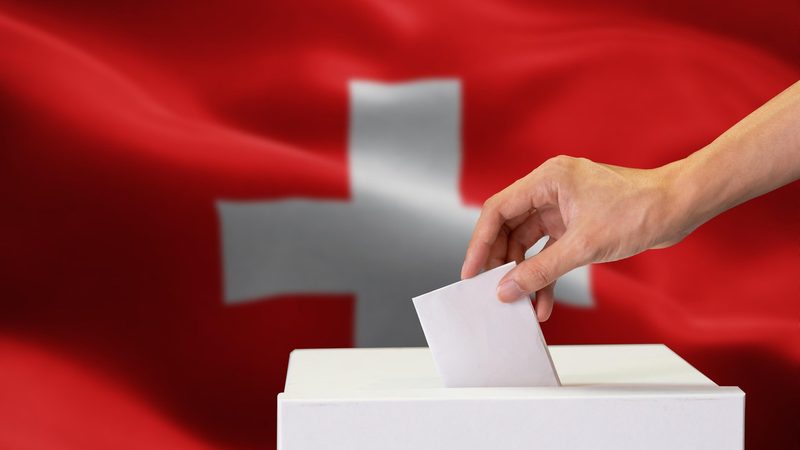
In Switzerland, citizens do not just elect politicians and then wait for the next election. They vote on actual laws, constitutional changes and spending plans four times a year, in nationwide referendums that can overturn parliament or rewrite the constitution. Switzerland’s direct democracy is the most far-reaching system of citizen lawmaking in the world, and it shapes everything from the country’s tax rates to its famous neutrality. This explainer shows how referendums work, why the 26 cantons hold so much power, and what neutrality really means in the 21st century.
The tools of direct democracy
Swiss citizens have three main instruments at their disposal. The popular initiative allows 100,000 voters to propose a change to the constitution; once validated, it must go to a nationwide vote. The optional referendum lets 50,000 citizens (or eight cantons) challenge a law passed by parliament, suspending it until voters have their say. And the mandatory referendum means certain decisions, such as constitutional amendments and joining international organisations, cannot take effect without a popular vote at all. In a typical year, the Swiss vote on a dozen or more national questions, plus many more at cantonal and municipal level.
How a referendum actually works
Passing a vote is harder than it sounds. Constitutional changes require a double majority: a majority of voters nationwide and a majority of cantons. Because each canton counts equally regardless of size, the small rural cantons carry real weight, which protects minorities but can also frustrate urban majorities. Signature collection is a constant feature of Swiss public life, with volunteers outside supermarkets gathering support for everything from animal welfare rules to tax reforms. Parliament usually responds to a successful initiative by drafting a counter-proposal, giving voters a nuanced choice rather than a simple yes or no. Campaigns are notably restrained by international standards, with publicly funded information booklets mailed to every household laying out the arguments for and against.
The cantons: 26 mini-states in one country
Switzerland is a confederation of 26 cantons, each with its own constitution, parliament, government, courts and police force. The cantons run education, healthcare and policing, and they set their own income tax rates, which is why tax bills differ so dramatically between, say, Zurich and Zug. The federal government in Bern handles only what the cantons cannot: foreign policy, defence, customs and the currency. This bottom-up structure means a citizen in the mountain village of Appenzell Innerrhoden lives under different school rules, tax rates and voting traditions than one in Geneva. Cantonal autonomy is the reason Switzerland stayed together despite four languages, two dominant religions and deep regional identities.
- The federal parliament has two chambers: the National Council (200 seats, by population) and the Council of States (46 seats, two per canton).
- The seven-member Federal Council acts as the collective head of state, with the presidency rotating annually.
- Women gained the vote at federal level only in 1971, and in the last canton, Appenzell Innerrhoden, in 1990.
- Voter turnout for referendums typically ranges between 40 and 60 per cent.
Neutrality explained
Swiss neutrality is not a vague preference; it is a permanent legal status recognised internationally since the Congress of Vienna in 1815. It means Switzerland does not join military alliances, does not fight in foreign wars, and does not allow warring parties to use its territory. Neutrality is also popular: voters have repeatedly rejected closer military integration with NATO, though Switzerland does cooperate through the Partnership for Peace. The policy has made Bern a natural host for diplomacy, from the Geneva Conventions to countless peace talks. Critics argue neutrality can look like free-riding on the security others provide, especially as European security debates intensify, but Swiss voters have so far seen no reason to change a formula that has kept the country out of every major European war for more than two centuries.
What the critics say
Direct democracy has well-known downsides. Campaigns can be won with money and emotion rather than expertise, and minorities have occasionally lost: in 2009 voters approved a ban on building minarets, a decision widely condemned abroad. The system is also slow; major reforms can take a decade of initiatives, counter-proposals and votes. And because voters can reject anything, governments learn to pre-empt opposition by consulting interest groups before proposing laws, a process the Swiss call the pre-parliamentary consultation. Supporters reply that these are features, not bugs: the system forces compromise, keeps politicians modest, and gives citizens a genuine veto over their rulers.
FAQs
How often do the Swiss vote? Four times a year at national level, on dates fixed in the calendar, plus cantonal and local votes that can bring the total to a dozen polling days a year.
Can voters propose any law they like? Popular initiatives can only amend the constitution, not ordinary laws, and proposals that violate fundamental international law can be declared invalid by parliament.
Is Switzerland in the EU? No. Voters rejected joining the European Economic Area in 1992, and relations with the EU are managed through a web of bilateral agreements that voters periodically threaten to unravel.
Does neutrality mean no army? No. Switzerland maintains a militia army based on conscription for men, with most soldiers keeping their rifles at home, and voters rejected abolishing the army in 1989.
Switzerland’s experiment suggests that democracy does not have to mean handing power to representatives every four years and hoping for the best. It can mean asking citizens, regularly and on specifics, what they want their country to be. The result is a political system that is slow, conservative and sometimes maddening, but also remarkably stable and trusted: surveys consistently find the Swiss among the most satisfied democrats on earth.
Compiled by the Khabar 24h Editorial Desk from publicly available sources.

Khabar 24h Editorial Desk — our explainers are prepared by the Khabar 24h editorial team using AI-assisted research tools, and every piece is reviewed by a human editor before publishing. We do not claim original reporting: our work is turning complex topics into simple, accurate summaries. Spotted an error? Write to contact@khabar24h.com — our corrections policy aims for same-day review.
More from this author →