How FASTag Works: The RFID Technology Behind India’s Toll Payments
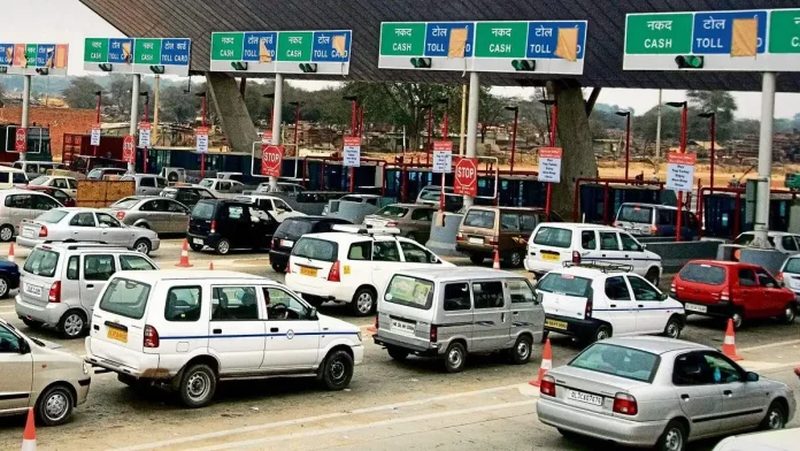
Remember the toll plaza queues? Kilometres of idling cars, cash changing hands, the twenty-minute crawl that every highway trip once included. FASTag, now mandatory for all cars on national highways, dissolved those queues with a sticker on the windshield. Behind that humble sticker lies RFID, radio-frequency identification, the same contactless technology family as tap-to-pay cards, letting toll plazas identify and charge your vehicle without it ever stopping. Here is how FASTag works, where your money actually goes, and how to handle the issues every user eventually meets.
What is FASTag and what is RFID?
FASTag is a passive RFID tag, a small sticker containing a microchip and antenna, affixed to the inside of the windshield. “Passive” means it has no battery; it draws power from the radio waves beamed at it by the toll plaza’s reader, then reflects back its unique identification number. RFID is the same core technology as contactless payment cards and office access badges, operating here in the ultra-high-frequency band suited to reading at highway speeds and distances of several metres. The tag is linked to a prepaid wallet or account issued by a bank or the National Highways Authority’s system. When the reader scans your tag, the plaza’s system looks up your account, deducts the toll, and opens the barrier, all in about three seconds, while you roll through at walking pace.
How does a toll transaction actually happen?
The choreography at the plaza is precise. Overhead or roadside RFID readers continuously broadcast interrogation signals across the FASTag lane. As your car enters the zone, your tag powers up from the signal and transmits its unique ID. The lane controller forwards this to the acquiring bank’s system, which checks the tag’s validity and your wallet balance in real time. If all is well, the toll amount for your vehicle class is deducted, the barrier lifts, and you receive an SMS with the deduction details. The whole exchange takes seconds and works at speeds up to about 30 km/h, which is why plazas ask you to slow down rather than stop. If the tag fails to read, cameras capture your number plate as backup, and manual processing, with double toll as penalty for non-tag users, keeps traffic honest.
Where does your money go?
Your FASTag is backed by a prepaid account, and understanding its plumbing prevents surprises. Tags are issued by banks and authorised entities; you buy the tag, pay a one-time issuance fee plus refundable security deposit, and load money into the linked wallet. Toll deductions pull from this wallet, not directly from your bank account, though many issuers offer auto-recharge from your bank or UPI when the balance runs low. Minimum balance requirements vary by issuer. The wallet is specific to the tag, and tags are vehicle-specific: one tag per vehicle, linked to its registration number, and transferring a tag between vehicles is not permitted. When you sell the car, close the FASTag account to get your deposit back and prevent the new owner’s tolls hitting your wallet.
Common FASTag problems and fixes
Every FASTag user meets these eventually.
- Tag not read at the plaza: usually a damaged tag, incorrect placement, or a depleted balance. Keep the tag clean, ensure it sits in the designated windshield spot, and maintain balance.
- Wrong toll deducted: vehicle class mismatches cause this; verify your registered class with the issuer and dispute incorrect charges with transaction proof.
- Blacklisted tag: insufficient balance or KYC issues blacklist tags. Recharge and complete KYC to restore.
- Lost or damaged tag: order a replacement from your issuer; the old tag is deactivated and the balance transfers.
- SMS alerts missing: check your registered mobile number with the issuer; alerts are your primary fraud detection.
- Double deduction: rare, but screenshot both SMS alerts and raise a dispute; issuers reverse genuine duplicates.
FASTag’s bigger impact
FASTag did more than kill queues. Toll plazas now process several times more vehicles per hour, cutting fuel wastage from idling and reducing emissions. Digital records ended much of the cash leakage that plagued toll collection, improving highway finances. The transaction data feeds traffic planning and the upcoming shift to GPS-based tolling, where satellites track distance travelled and charge accordingly, potentially eliminating plazas entirely. For users, the lesson extends beyond highways: a tiny passive chip, costing little and needing no power, automated one of India’s most universal frictions. The technologies that change daily life are often the unglamorous ones.
FAQs
Is FASTag mandatory? Yes, for all motor vehicles on national highways. Vehicles without valid tags pay double toll, enforced through number-plate cameras.
Can one FASTag work on two cars? No. Tags are linked to a specific vehicle’s registration number and cannot be transferred or shared.
What happens to my balance if I sell the car? Close the FASTag account with your issuer; the security deposit is refunded and any remaining wallet balance is returned to you.
FASTag is a quiet triumph of applied technology: no batteries, no apps at the plaza, no stopping, just physics and backend systems doing their job invisibly. The next time you glide through a toll lane, spare a thought for the little sticker doing radio-frequency magic on your windshield.
Source: NHAI

Khabar 24h Editorial Desk — our explainers are prepared by the Khabar 24h editorial team using AI-assisted research tools, and every piece is reviewed by a human editor before publishing. We do not claim original reporting: our work is turning complex topics into simple, accurate summaries. Spotted an error? Write to contact@khabar24h.com — our corrections policy aims for same-day review.
More from this author →