What Is Python Used For? A Beginner’s Guide to the World’s Most Popular Language
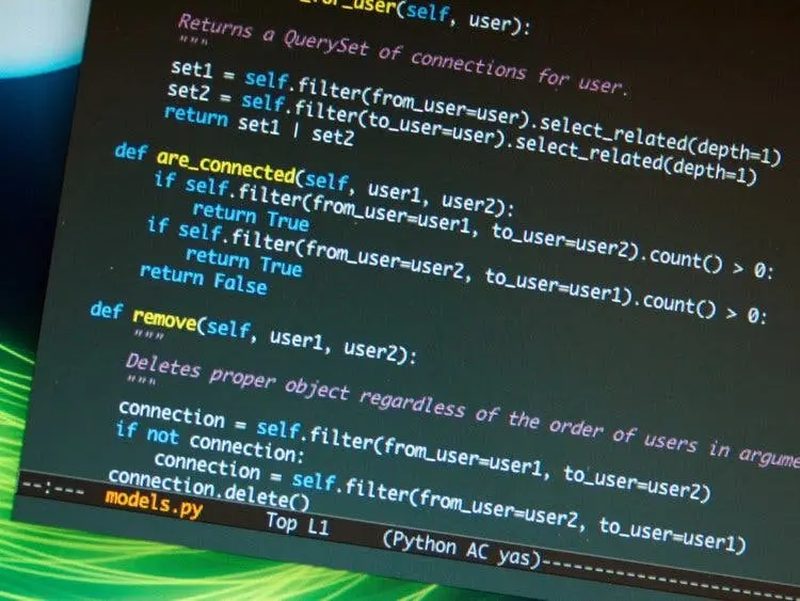
Ask a room of programmers which language runs the world in 2026 and the answer comes back with striking consistency: Python. It powers the artificial intelligence boom, much of the web’s backend, scientific research, automation scripts in every industry, and the first programs of millions of students. Python’s remarkable trick is combining genuine industrial power with a syntax so readable it resembles plain English. For beginners wondering what Python is actually used for, and whether it deserves its reputation, this guide lays out the language’s real-world domains.
Why is Python so popular?
Python’s popularity rests on three pillars. First, readability: Python code looks like structured English, with minimal punctuation and enforced clean formatting, so beginners can focus on problem-solving rather than syntax arcana. Second, the ecosystem: the Python Package Index hosts hundreds of thousands of free libraries, meaning almost any task, from web scraping to machine learning, has a well-tested tool waiting. Third, versatility: the same language scripts a five-line automation and trains a neural network, so skills transfer across domains. Tech giants cemented its status: Google, Meta, Netflix and NASA all use Python heavily, and the AI explosion made it the default language of machine learning. Popularity compounds: more users mean more libraries, tutorials and jobs, which attract more users.
Artificial intelligence and data science
This is Python’s crown jewel domain. Virtually every major AI breakthrough of the last decade was built with Python: TensorFlow, PyTorch and scikit-learn, the frameworks behind modern machine learning, are Python libraries. Data scientists use Python with pandas for data manipulation, NumPy for numerical computing, and Matplotlib and Plotly for visualisation. The workflow, from exploring a dataset in a Jupyter notebook to deploying a trained model, happens in one language. India’s booming analytics and AI industry runs overwhelmingly on this stack, which is why “learn Python” has become standard career advice for aspiring data scientists. If AI interests you, Python is not optional; it is the price of admission.
Web development and backends
Behind many websites you use daily sits Python. The Django framework powers Instagram’s backend, Pinterest, and countless news and content sites; Flask and FastAPI serve lighter APIs and microservices. Python’s web ecosystem emphasises getting robust applications running quickly, with batteries included for databases, authentication and admin interfaces. While JavaScript owns the browser, Python owns a huge share of what the browser talks to. Indian startups frequently choose Django or FastAPI for MVPs because small teams ship fast, and the language’s readability keeps growing codebases maintainable. Combined with its data strengths, Python lets one team handle both the product and its analytics.
Automation, scripting and everything else
Python’s quiet superpower is automating the boring parts of every job. System administrators script server management with it; finance professionals automate Excel reports; researchers process experimental data; journalists scrape websites for investigations. DevOps tooling, testing frameworks and build systems lean on Python throughout the industry. It scripts Blender for 3D art, drives Raspberry Pi hobby projects, and glues together enterprise workflows. This “second language for everyone” role means Python skills pay off far beyond software jobs: in 2026, the analyst who automates their reporting with Python is simply more valuable than the one who does it by hand, whatever their job title.
What are Python’s limitations?
Honesty requires the caveats. Python is slow compared to compiled languages like C++ or Rust; for high-frequency trading or game engines, that matters, though libraries push heavy computation into fast C code under the hood. Mobile app development is not Python’s strength; Swift, Kotlin and cross-platform frameworks dominate there. The Global Interpreter Lock historically limited true multi-threading, though recent Python versions are finally addressing this. And Python’s dynamic typing, beloved for speed of writing, lets certain bugs slip through that stricter languages catch at compile time. None of these disqualify it as a first language; they just explain why the programming world still needs other tools.
FAQs
Is Python good for getting a job in India? Excellent. Python appears in job listings across data science, backend development, automation and testing, and Indian IT services hire Python developers at every level.
How long does it take to learn Python basics? Dedicated beginners typically write useful programs within 4 to 8 weeks. Real fluency, libraries, projects, debugging judgment, takes several months of practice.
Python 2 vs Python 3? Python 2 is long dead; learn Python 3. Any resource still teaching Python 2 in 2026 should be discarded.
Python earned its crown by being the language that gets out of your way: readable enough for a first program, powerful enough for the AI frontier, with a library for nearly everything in between. Whatever you want to build, there is probably a Python path to it, and millions of fellow travellers to help along the way.
Source: Real Python

Khabar 24h Editorial Desk — our explainers are prepared by the Khabar 24h editorial team using AI-assisted research tools, and every piece is reviewed by a human editor before publishing. We do not claim original reporting: our work is turning complex topics into simple, accurate summaries. Spotted an error? Write to contact@khabar24h.com — our corrections policy aims for same-day review.
More from this author →