What Is Open Source Software? How It Powers the Modern Internet
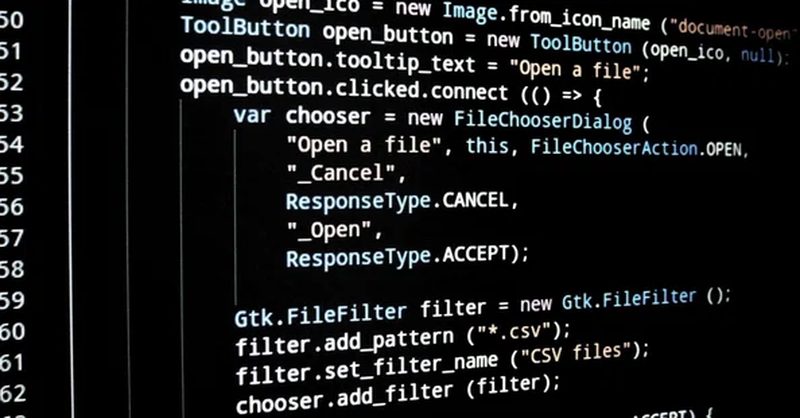
Almost everything you do online runs on software that was given away for free. The websites you visit are served by open-source web servers, your Android phone runs an open-source operating system, and the artificial intelligence boom of the last few years was built on open-source machine learning frameworks. Open source software quietly powers the modern internet, yet most people who depend on it every day have never heard the term. Understanding what open source means, who builds it and why, and whether it can be trusted, explains a surprising amount about how the digital world actually works.
What does “open source” actually mean?
Software is open source when its source code, the human-readable instructions programmers write, is published under a licence that lets anyone view, use, modify and share it. This is the opposite of proprietary software like Microsoft Windows or Adobe Photoshop, where the code is a closely guarded secret and you merely rent permission to run the program. Open-source licences come in flavours: permissive licences like MIT and Apache let anyone do almost anything with the code, including building commercial products on top of it, while “copyleft” licences like the GPL require that modified versions stay open too. The practical result is the same for users: the software is usually free, and no single company controls its future.
How open source powers the internet
The internet’s plumbing is overwhelmingly open source. Linux, the free operating system created by Linus Torvalds in 1991, runs most of the world’s web servers, all of the top supercomputers, and the Android in your pocket. The Apache and Nginx web servers deliver a huge share of the world’s websites. WordPress, which is open source, powers well over a third of all websites on earth, including countless news sites and small businesses. The encryption that protects your online banking, the databases behind your favourite apps, and programming languages like Python and JavaScript’s runtimes are all open source. Even the AI revolution runs on it: frameworks like PyTorch and TensorFlow, released freely by Meta and Google, became the standard tools the entire industry builds on.
Who builds open source, and why?
This is the question that puzzles newcomers: if the software is free, who writes it and what do they get? The answers are varied. Many contributors are employees of big technology companies, Google, Microsoft, Meta and Amazon are among the largest contributors to open source, because shared infrastructure benefits everyone and hiring goodwill matters. Others are independent developers who contribute for reputation, for fun, or because they need the tool themselves. Some projects are backed by foundations, like the Linux Foundation or the Apache Software Foundation, funded by corporate memberships. And a growing number of open-source companies give the core software away while charging for hosting, support or premium features, the model behind businesses like WordPress.com, MongoDB and GitLab. Free software, it turns out, can be very good business.
Is open source software safe?
It is a fair question, and the honest answer is nuanced. Open source has a real security advantage: anyone can inspect the code, so bugs and backdoors are harder to hide, and thousands of eyes often spot problems faster than a small internal team would. But openness is not magic. In 2024 the world got a scare when a malicious actor spent years gaining trust in the XZ Utils compression project before slipping in a backdoor, a reminder that widely used projects can be understaffed and under-scrutinised. The practical guidance is straightforward: prefer well-known projects with active maintainers and large communities, keep everything updated, and remember that the same advice applies to proprietary software, which has its own long history of hidden vulnerabilities. Open does not mean risky, and closed does not mean safe.
How open source affects India
India has been one of open source’s biggest beneficiaries. Government digital infrastructure, from Aadhaar’s underlying systems to the UPI payments network’s open specifications, leans on open standards and open-source components, which is part of why these systems could scale to a billion users without crippling licence fees. Indian startups build on open-source stacks to keep costs down, and the country’s enormous developer community is among the most active contributors to global projects on GitHub. For students, open source is also the best free education in software engineering available: the codebases of the world’s most important programs are open books, waiting to be read.
FAQs
Is open source really free? The software itself is usually free to use, though companies may charge for support, hosting or extra features. “Free” refers to freedom as much as to price.
Can I use open-source software for my business? Yes. Most licences explicitly permit commercial use. Just check the specific licence, as copyleft licences have rules about sharing your modifications.
What are good open-source alternatives to popular apps? LibreOffice replaces Microsoft Office, GIMP and Blender cover image editing and 3D work, VLC plays any media file, and Firefox is a fully open-source browser. All are free and mature.
The next time a website loads instantly or your phone updates smoothly, there is a good chance open-source software did the heavy lifting. It is one of the great collaborative achievements of the modern age: millions of people building the digital world’s foundations in public, for everyone. That is worth understanding, and perhaps worth contributing to.
Compiled by the Khabar 24h Editorial Desk from publicly available sources.

Khabar 24h Editorial Desk — our explainers are prepared by the Khabar 24h editorial team using AI-assisted research tools, and every piece is reviewed by a human editor before publishing. We do not claim original reporting: our work is turning complex topics into simple, accurate summaries. Spotted an error? Write to contact@khabar24h.com — our corrections policy aims for same-day review.
More from this author →