How Noise Cancellation Works: ANC Earbuds and Headphones Explained
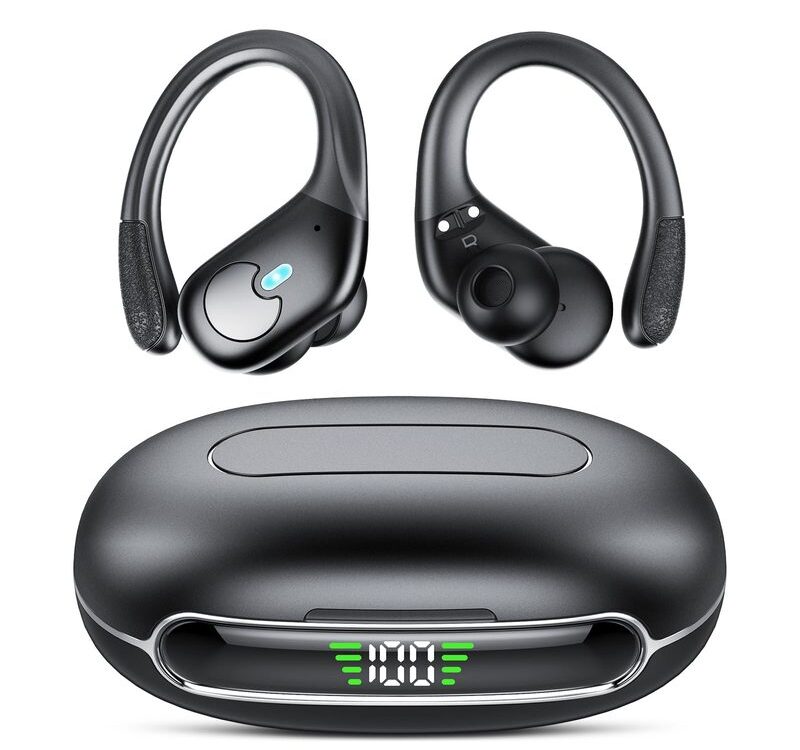
Put on a good pair of noise-cancelling earbuds on a flight, and the engine’s roar melts into near-silence while your music plays in crystalline clarity. It feels like magic, but it is physics executed at microsecond speed: the earbuds listen to the noise around you and generate its exact opposite, cancelling it before it reaches your ears. This guide explains how active noise cancellation works, what it can and cannot silence, and how to choose the right earbuds or headphones.
The physics: fighting sound with sound
Sound travels as pressure waves in air. If two identical waves arrive exactly out of phase, peak meeting trough, they cancel each other: destructive interference. Active noise cancellation exploits this precisely. Microphones on the earbuds sample the ambient noise, a processor inverts the waveform to create anti-noise, and the speaker plays it alongside your music. The unwanted sound and its inverse sum to near-silence at your eardrum. The whole loop, sense, invert, play, must complete in microseconds, because sound at higher frequencies changes too fast to track. This is why ANC is brilliant against low, steady drones and weaker against sharp, sudden sounds: the system can predict and mirror a constant hum, but a clap is over before the anti-noise arrives.
Feedforward, feedback and hybrid systems
ANC designs differ in microphone placement. Feedforward systems place microphones outside the earbud, sampling noise before it reaches your ear; they react fast but cannot verify what you actually hear. Feedback systems place the microphone inside, near the eardrum, measuring the residual sound and correcting errors; they are more accurate but slower to react. Hybrid systems use both, combining fast prediction with error correction, and dominate the premium segment for good reason. Processing power matters enormously: flagship chips sample noise hundreds of thousands of times per second and adapt the cancellation continuously as you move from a quiet room to a rattling train. Cheaper implementations use simpler, less adaptive processing, which is the main audible difference between budget and premium ANC.
What ANC can and cannot silence
Set expectations correctly and you will love the technology.
- Excellent: engine drones, air-conditioner hum, train rumble, fan noise, the low-frequency roar that causes travel fatigue.
- Good: general office chatter and crowd murmur, reduced to a distant wash.
- Mediocre: sudden sharp sounds, claps, horns, keyboard clatter, too fast for the system to mirror.
- Poor: wind noise, which overwhelms the microphones themselves; look for wind-reduction modes.
- Intentional: voices of people talking to you, which is why transparency modes exist to let chosen sounds through.
ANC plus a good physical seal, passive isolation from the ear tip, beats ANC alone; the two multiply.
Transparency mode and the modern feature set
Silencing the world completely is not always desirable, so modern earbuds pipe the world back in on demand. Transparency mode uses the same microphones to amplify ambient sound, letting you hear announcements or conversations without removing the buds. Adaptive modes blend cancellation and transparency automatically, quieting on the train and opening up when you speak. Multipoint connection keeps earbuds paired to phone and laptop simultaneously. And wind-noise algorithms detect and suppress the buffeting that ruins calls outdoors. When comparing models, these intelligent behaviours often matter more than small differences in raw cancellation strength.
Choosing the right pair
Match the purchase to your life. Frequent flyers should prioritise maximum ANC strength and comfort for long wear; over-ear headphones still beat earbuds for sheer silence. Commuters need good wind handling and transparency for traffic awareness. Office workers benefit from strong voice-call microphones as much as cancellation. Fit is non-negotiable for earbuds: without a seal, even the best ANC underperforms, so try the included tip sizes. Battery life with ANC on varies widely; check real-world figures. And in India’s dusty, humid conditions, look for reasonable water and dust resistance. The market now offers genuinely good ANC from a few thousand rupees upward; diminishing returns set in fast beyond the mid-range.
FAQs
Is noise cancellation bad for your ears? No evidence suggests harm. By reducing background noise, ANC lets you listen at lower volumes, which is better for hearing health.
Why does ANC feel like pressure in my ears? Some people perceive the cancellation of low frequencies as a pressure sensation, similar to altitude change. It is harmless and most users stop noticing it.
Do I need ANC if I mostly listen at home? Probably not. ANC earns its price in travel, commuting and noisy offices; quiet listeners are better served by sound quality per rupee.
Active noise cancellation is applied physics at its most delightful: silence manufactured from sound itself. Understand what it erases and what it cannot, buy for your actual noise, and the world gets as quiet as you want it to be.
Source: Acoustical Society of America

Khabar 24h Editorial Desk — our explainers are prepared by the Khabar 24h editorial team using AI-assisted research tools, and every piece is reviewed by a human editor before publishing. We do not claim original reporting: our work is turning complex topics into simple, accurate summaries. Spotted an error? Write to contact@khabar24h.com — our corrections policy aims for same-day review.
More from this author →