Snapdragon vs Dimensity vs Exynos: How Smartphone Processors Compare
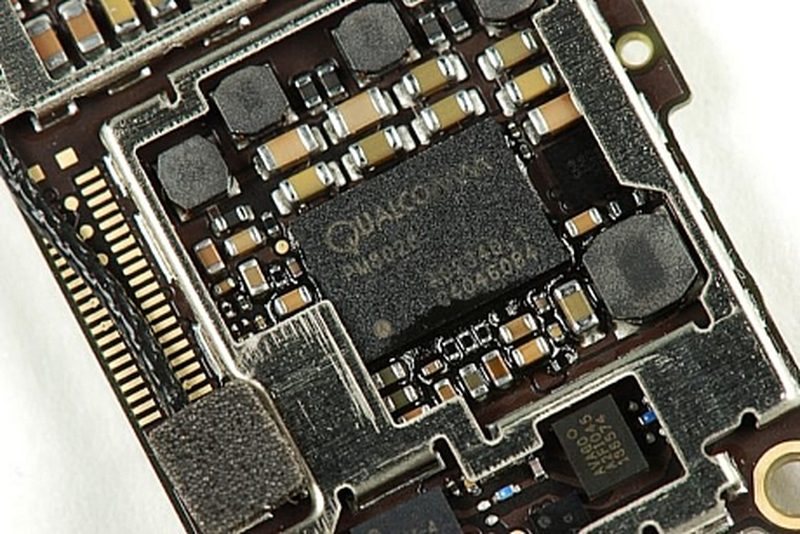
Every smartphone’s speed, battery life, camera quality and gaming performance traces back to one component: the processor. In India, three names dominate phone chips: Qualcomm’s Snapdragon, MediaTek’s Dimensity and Samsung’s Exynos. They appear across every price segment, and choosing between them confuses even experienced buyers. This guide compares the three on the factors that actually affect your daily experience: performance, efficiency, gaming, cameras and value for money.
Meet the three contenders
Qualcomm’s Snapdragon has long been the default choice for premium Android phones worldwide, with the 8 series leading flagships and the 7 and 6 series covering the mid-range and budget segments. MediaTek’s Dimensity series transformed the company’s reputation over the last few years; once dismissed as a budget compromise, Dimensity chips now rival Snapdragon on raw performance and often win on price, dominating the value segment in India. Samsung’s Exynos powers Samsung’s own phones in some regions and price bands, though its presence in India has shrunk as Samsung increasingly uses Snapdragon and Dimensity in Indian models. All three are systems-on-chip, meaning the processor, graphics, AI engine, 5G modem and image processor live on one piece of silicon.
Performance: who is fastest
At the flagship level, Snapdragon’s 8 series and Dimensity’s 9000 series trade blows, with Snapdragon usually holding a small lead in sustained performance and graphics while Dimensity often matches or beats it in CPU benchmarks. In the mid-range, the battle is fiercest: Snapdragon 7 series versus Dimensity 8000 series is genuinely close, and the winner varies by specific chip generation rather than brand. In the budget segment, Dimensity’s 6000 series frequently offers better performance per rupee than Snapdragon’s 6 series. The honest summary: brand matters less than the specific chip and its generation. A current mid-range Dimensity will outperform a two-year-old flagship Snapdragon in efficiency while matching it in speed, so always compare the exact model numbers, not the logos.
Efficiency, heat and battery life
Raw speed means little if the chip overheats and throttles. Efficiency, performance per watt, determines whether a phone stays fast during a long gaming session and how long the battery lasts. Recent Dimensity flagships have earned praise for excellent efficiency, sometimes beating Snapdragon equivalents in battery drain tests. Snapdragon counters with mature power management and strong modem efficiency, which matters for 5G battery drain. Exynos has historically lagged here, with a reputation for running warmer than rivals, though recent generations have improved. Manufacturing process matters too: chips built on smaller nanometer processes, like 4nm versus 6nm, are inherently more efficient, which is why a newer mid-range chip can outlast an older flagship in battery tests.
Gaming, cameras and the extras
For gamers, the graphics processor is decisive. Snapdragon’s Adreno GPUs have long been the gold standard for Android gaming, with the best driver support and compatibility with demanding titles. Dimensity’s Mali-based graphics have closed the gap considerably and now handle BGMI and Genshin Impact smoothly, though Adreno still holds an edge in the most demanding scenarios. For cameras, the image signal processor matters as much as the sensor: Snapdragon’s Spectra ISPs are renowned for excellent computational photography, which is one reason Pixel-style camera quality clusters around Snapdragon phones. MediaTek’s Imagiq has improved enormously. All three now include dedicated AI accelerators for on-device features like live translation and photo enhancement.
Which should you choose
For most Indian buyers, the practical advice is simple.
- Flagship buyers: Snapdragon 8 series remains the safest all-round choice, with Dimensity 9000 series an excellent, often cheaper alternative.
- Mid-range buyers: compare specific chips, Snapdragon 7s Gen 3 versus Dimensity 8300, for example, and pick the better phone overall rather than the better chip alone.
- Budget buyers: Dimensity 6000 series usually gives more performance per rupee; prioritise the total package.
- Gamers: lean Snapdragon for the Adreno GPU advantage and better long-term game compatibility.
- Long-term keepers: check software update promises, which depend on the phone maker more than the chip.
Remember that the chip is one ingredient; display, battery, cameras and software decide the meal.
FAQs
Is MediaTek Dimensity as good as Snapdragon? In current generations, yes for most practical purposes. The old reputation gap has closed; compare specific models rather than brands.
Does the processor affect camera quality? Yes. The chip’s image processor and AI engine handle computational photography, so two phones with the same sensor can take very different photos.
Why do some Samsung phones use Exynos and others Snapdragon? Samsung splits chipsets by region and model based on supply, cost and modem considerations. Indian models increasingly use Snapdragon or Dimensity.
Snapdragon, Dimensity and Exynos are all capable in their current generations, and the differences that remain are narrower than the marketing suggests. Compare the specific chip, check independent reviews for throttling and battery drain, and let the whole phone, not the logo on the silicon, make the decision.
Source: AnandTech

Khabar 24h Editorial Desk — our explainers are prepared by the Khabar 24h editorial team using AI-assisted research tools, and every piece is reviewed by a human editor before publishing. We do not claim original reporting: our work is turning complex topics into simple, accurate summaries. Spotted an error? Write to contact@khabar24h.com — our corrections policy aims for same-day review.
More from this author →