Khelo India Explained: How the Government’s Sports Scheme Works
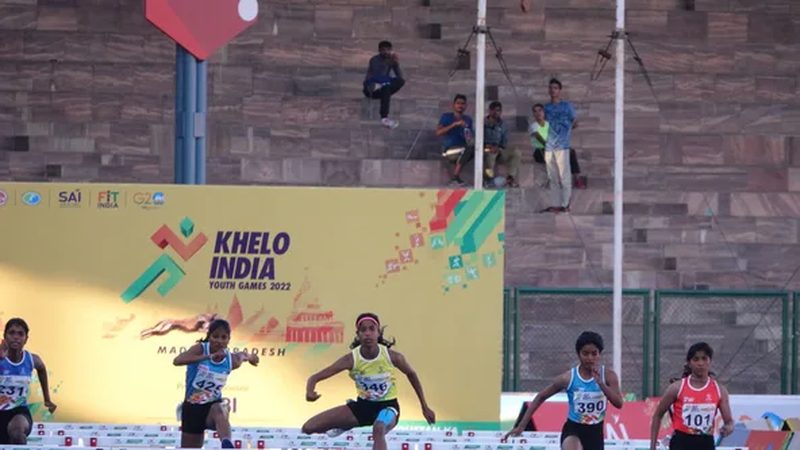
Khelo India is the Indian government’s flagship sports development programme: a multi-thousand-crore mission to find sporting talent in every district and fund it to the podium. Launched in its revamped form in 2018, it spans grassroots competitions, athlete scholarships, infrastructure and the Khelo India Games. For parents, athletes and coaches, understanding how it works is the key to accessing its support. Here is the complete guide.
What is Khelo India?
Khelo India, meaning Play India, is a central government scheme implemented by the Ministry of Youth Affairs and Sports with the stated goal of building a sporting culture and achieving excellence at the international level. It replaced and expanded earlier schemes into a comprehensive mission with a budget running into thousands of crores annually. The programme operates on two tracks: participation, getting more Indians playing through competitions and infrastructure, and excellence, identifying talented athletes and funding their development. It is the government’s primary vehicle for sports development, complementing the federation system and the Target Olympic Podium Scheme that focuses on established medal prospects.
How does talent identification work?
The talent hunt operates through layered competitions. The Khelo India Youth Games for under-17 and under-21 athletes, the University Games and the Winter Games serve as national showcases where scouts identify prospects. State-level Khelo India centres and district competitions feed the pyramid. Identified athletes enter the Khelo India athlete programme: around a thousand athletes at any time receive annual financial assistance, currently five lakh rupees per year, covering training, equipment, travel and coaching. The selection is sport-specific and performance-based, with committees reviewing results. For a young athlete from a small town, Khelo India support can be the difference between continuing in sport and quitting for economic reasons.
What do selected athletes receive?
The support package is comprehensive by Indian standards. The annual grant covers training expenses, equipment, domestic travel for competitions and coaching fees. Athletes gain access to Khelo India-accredited academies and sports science facilities. Top prospects graduate to the Target Olympic Podium Scheme’s developmental group as they approach senior level. The programme also provides insurance and, increasingly, educational support to balance academics with training. The money is disbursed directly, reducing the leakage that plagued earlier schemes. For athletes and parents navigating the system, the message is that performance at Khelo India competitions is now the most reliable route to government support.
How are the Khelo India Games organised?
The Games are the programme’s flagship events. The Youth Games, held annually in a host state, gather thousands of athletes across dozens of disciplines for a multi-sport spectacle with ceremonies, villages and live broadcast. States compete for the overall championship, creating fierce rivalries. The University Games extend the model to higher education, addressing the dropout of athletes after school. The Winter Games promote skiing, ice hockey and other winter sports in the Himalayan states. The Para Games, added recently, bring para athletes into the fold. Together, the Games create a national calendar of age-group competition with a prestige that school federations alone never achieved.
What infrastructure does Khelo India build?
Beyond athletes, the scheme funds the physical base of Indian sport. Khelo India State Centres of Excellence upgrade existing facilities in each state. District-level Khelo India centres bring coaching and equipment to smaller towns. The scheme funds synthetic tracks, swimming pools, shooting ranges and multipurpose halls, with hundreds of projects sanctioned. Playfield development targets the most basic need: playable grounds. Utilisation and maintenance remain challenges, gleaming facilities with locked gates are a recurring complaint, but the direction is toward decentralised infrastructure that reaches beyond the metros. The infrastructure vertical is the programme’s longest-term bet.
What are the criticisms?
No programme of this scale escapes scrutiny. Critics note that funding, while large by historical standards, remains modest per athlete across a nation of 1.4 billion. Selection processes face allegations of favouritism and regional bias. The focus on elite talent sometimes overshadows the participation mission: gleaming Games coexist with playground-less schools. Coordination with national federations is uneven, creating parallel systems that confuse athletes. And outcomes, while improving, are hard to attribute: India’s rising medal counts reflect many factors beyond one scheme. The government’s response is data: tracking Khelo India athletes’ progression to international podiums as the programme’s ultimate audit.
FAQs
How much funding do Khelo India athletes receive? Selected athletes receive annual financial assistance of five lakh rupees for training and related expenses.
Who can participate in Khelo India Games? Athletes in the under-17 and under-21 categories qualify through state-level competitions; university and para editions have their own criteria.
Is Khelo India only for elite athletes? No. The scheme has both participation verticals, competitions and infrastructure for all, and excellence verticals for identified talent.
Khelo India is the government’s bet that champions can be built systematically: found in districts, funded through youth, and delivered to podiums. The bet is large, the audit is ongoing, and the early returns are promising.
Source: Ministry of Youth Affairs and Sports

Khabar 24h Editorial Desk — our explainers are prepared by the Khabar 24h editorial team using AI-assisted research tools, and every piece is reviewed by a human editor before publishing. We do not claim original reporting: our work is turning complex topics into simple, accurate summaries. Spotted an error? Write to contact@khabar24h.com — our corrections policy aims for same-day review.
More from this author →