Maternity Policies in Sport: How Athlete Mothers Are Protected
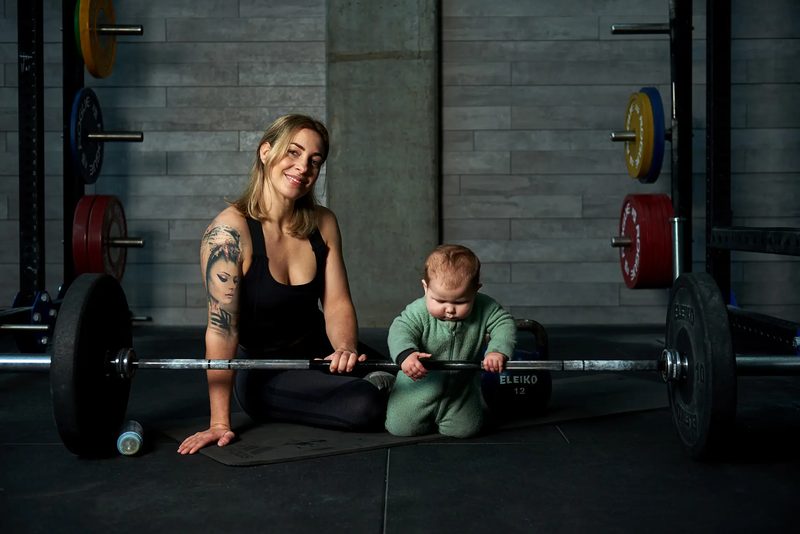
For generations, pregnancy ended athletic careers. Sponsors dropped athletes who became mothers, federations offered no support, and the message was clear: choose the sport or the child. That era is ending. Driven by star athletes who spoke out and returned to win, maternity protections are now being written into contracts, federation rules and collective agreements across world sport. This is how athlete mothers are protected today, and what remains to be done.
Why did maternity become a sporting issue?
The issue exploded when elite athletes revealed their contracts penalised pregnancy. Sprinters described sponsors reducing pay by up to 70 per cent during pregnancy, with no guarantee of reinstatement. The stories shattered the illusion of equality in professional sport and sparked outrage: athletes were being punished for a life event that male competitors never face. High-profile comebacks amplified the cause: mothers returning to win Olympic medals and Grand Slam titles proved that pregnancy need not end elite careers. The combination of testimony and triumph forced sponsors, federations and leagues to act, turning maternity from a private struggle into a policy agenda.
What protections exist now?
The landscape has transformed. Major sponsors now guarantee pay during pregnancy and for months after, with protected ranking and contract freezes. The WTA guarantees maternity leave with protected rankings allowing mothers to enter tournaments on their pre-pregnancy ranking. FIFA mandates minimum 14 weeks’ paid maternity leave for professional footballers, with clubs required to reintegrate them. World Athletics’ regulations protect female athletes’ funding during pregnancy. National federations increasingly include maternity clauses in central contracts. The direction is consistent: pregnancy is treated as a protected status, not a breach of contract, and the athlete’s career is paused, not terminated.
How do rankings and qualification handle motherhood?
Protected rankings are the key mechanism. Tennis’s system lets mothers use their pre-pregnancy ranking for tournament entry for an extended period after return, acknowledging that a year away destroys a ranking through no fault of the athlete. Similar protections exist in badminton and other ranking-based sports. Olympic qualification systems increasingly accommodate pregnancy within ranking windows. Without these protections, the mathematics of absence made comebacks nearly impossible: the athlete returned to find her ranking gone, her seedings lost and her career effectively restarted from zero. Protected rankings recognise that maternity is not injury or loss of form.
What about childcare and practical support?
Policy is moving beyond pay to practicalities. Grand Slam tennis tournaments provide childcare facilities and nurseries; the WTA offers family support provisions. Some teams and federations fund travel for infants and caregivers, recognising that a nursing mother cannot simply leave a baby behind for month-long tours. Training schedules are adapted around childcare, and some sponsors fund nannies as part of athlete support. These provisions matter enormously: the barrier to comeback is often logistical rather than physical, and practical support determines whether policies on paper translate into careers continued.
What gaps remain?
Protection is uneven. Athletes in less commercial sports, without sponsors or strong federations, often lack any maternity provision. Domestic leagues in developing sporting nations rarely match international standards. Self-employed athletes, common in individual sports, fall through gaps in employment law. The science of return-to-play after childbirth is still developing: guidance on training through pregnancy and postpartum recovery varies in quality. Cultural stigma persists in some sporting cultures, where motherhood is still seen as retirement. And paternity provisions lag far behind, reinforcing the assumption that childcare is the mother’s burden. The policy revolution is real but incomplete.
How have athlete mothers changed the narrative?
The most powerful advocates are the mothers who came back and won. Their victories demolished the myth that motherhood ends athletic prime: they returned fitter, tougher and tactically wiser, crediting motherhood with perspective that improved their sport. Their visibility changed sponsorship calculus: brands discovered that athlete mothers resonate powerfully with audiences. They mentored younger athletes, proving that family planning and career planning can coexist. Each comeback normalises the next, and the pipeline effect is already visible: young athletes now discuss maternity provisions when choosing sponsors and teams, a conversation that did not exist a decade ago.
FAQs
Do sponsors still cut pay for pregnant athletes? Leading sponsors now guarantee pay during pregnancy; the practice of penalising motherhood has been widely condemned and largely abandoned at the top level.
What is a protected ranking? A system allowing mothers to enter tournaments using their pre-pregnancy ranking for a set period after return, used in tennis and other sports.
How long is FIFA’s mandatory maternity leave? FIFA mandates a minimum of 14 weeks’ paid maternity leave for professional women footballers.
From career-ending secret to protected right in a single generation: maternity policy is sport’s quiet revolution. The finish line no longer requires choosing between motherhood and medals.
Source: Women’s Sports Foundation policy review

Khabar 24h Editorial Desk — our explainers are prepared by the Khabar 24h editorial team using AI-assisted research tools, and every piece is reviewed by a human editor before publishing. We do not claim original reporting: our work is turning complex topics into simple, accurate summaries. Spotted an error? Write to contact@khabar24h.com — our corrections policy aims for same-day review.
More from this author →