How Athletes Recover: Ice Baths, Sleep Science and Recovery Techniques
Training breaks athletes down; recovery builds them back up. The world’s best now treat recovery with the same seriousness as training, investing in sleep science, cold-water immersion, compression and nutrition timing. But the recovery industry is full of expensive promises, and sports science is increasingly blunt about what works and what is theatre. This is the evidence-based guide to how athletes recover.
Why is sleep the ultimate recovery tool?
Sleep outperforms every gadget in the recovery arsenal. During deep sleep, the body releases growth hormone, repairs muscle tissue, consolidates motor learning and recalibrates the immune system. Athletes need more sleep than the general population: 9 to 10 hours is the target for elites in heavy training, plus naps where schedules allow. Research shows sleep extension improves sprint times, shooting accuracy and reaction speed, while deprivation increases injury risk and impairs decision-making. Teams now employ sleep consultants, monitor athletes with wearables, and design travel schedules around circadian rhythms. The simplest recovery advice in sport remains the hardest to follow: go to bed.
Do ice baths actually work?
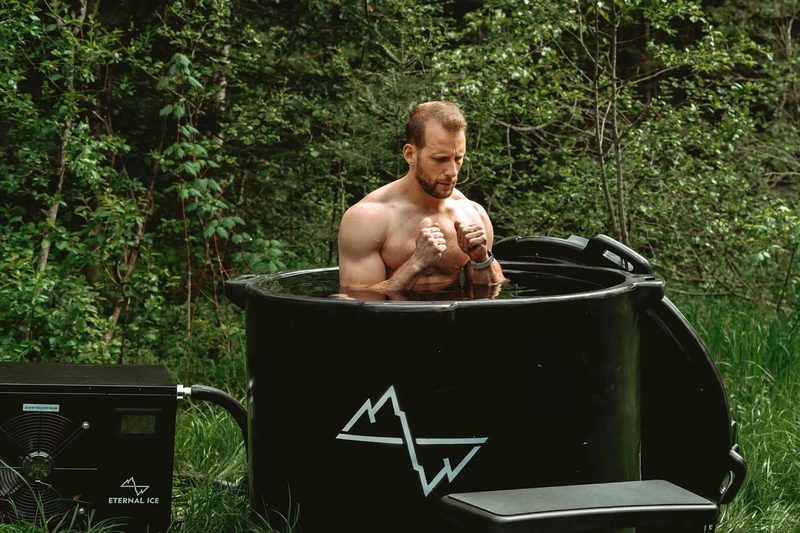
Cold-water immersion, the famous ice bath, has genuine but specific benefits. Immersion in 10 to 15-degree water for 10 to 15 minutes after intense exercise reduces soreness and perceived fatigue, largely by constricting blood vessels and numbing tissue. It is popular in team sports with congested fixtures, where feeling fresh for the next match matters more than long-term adaptation. But there is a catch: regular cold immersion after strength training can blunt muscle growth and adaptation, because the inflammation it suppresses is part of the signal that builds muscle. The current guidance is strategic: use ice baths to recover between competitions, avoid them when the goal is adaptation and growth. Contrast therapy, alternating hot and cold, offers similar perceptual benefits with less evidence of harm.
What about compression, massage and stretching?
Compression garments show modest benefits for reducing soreness and swelling, though much of the effect may be perceptual; athletes who believe they work often do feel better, and in sport, feeling better matters. Massage reduces perceived soreness and improves flexibility in the short term, but evidence for accelerated muscle repair is weak; its real value may be relaxation and the therapeutic relationship. Static stretching after exercise does not meaningfully speed recovery, though it maintains range of motion. Foam rolling shows small benefits for soreness and flexibility. The pattern is consistent: these modalities help athletes feel ready, which has value, but none replaces sleep, nutrition and sensible training loads.
How does nutrition drive recovery?
Recovery nutrition is about refuelling and rebuilding. Carbohydrates replenish glycogen: around 1 gram per kilogram of body weight in the hours after exercise. Protein, 20 to 40 grams, supplies the amino acids for muscle repair, with distribution across the day mattering more than one giant dose. Fluids and sodium replace sweat losses; weighing before and after sessions quantifies the deficit. Anti-inflammatory foods, tart cherry juice, omega-3s and colourful vegetables, show modest benefits for soreness. Alcohol, by contrast, impairs muscle protein synthesis and sleep quality, which is why many teams restrict it. The fundamentals are unglamorous: eat enough, eat soon, drink water, avoid alcohol.
What is active recovery?
Active recovery means low-intensity movement between hard sessions: easy cycling, swimming, walking or light jogging. It clears metabolic waste faster than complete rest and reduces stiffness, though its physiological advantages over passive rest are modest. Its real benefit may be psychological: athletes feel productive and maintain routine. The key is genuine ease; too many athletes turn recovery sessions into workouts, defeating the purpose. Coaches prescribe strict intensity caps, often using heart-rate monitors, to keep recovery truly easy. In congested schedules, active recovery plus sleep beats any passive modality.
How do teams manage recovery across a season?
Recovery is now periodised like training. Sports scientists monitor athletes with wellness questionnaires, heart-rate variability, jump tests and blood markers to detect accumulated fatigue. Load management, resting stars strategically, has spread from basketball to football and cricket. Travel recovery protocols address jet lag with light exposure, melatonin timing and scheduled naps. The art is individual: some athletes thrive on high loads, others break down, and the best programmes learn each athlete’s patterns. Recovery, in the end, is not a product but a process: the intelligent management of stress across a season.
FAQs
How long should athletes sleep? Elite athletes in heavy training target 9 to 10 hours nightly, plus naps; sleep is the single most effective recovery tool.
Are ice baths good after every workout? No. They help between competitions but can blunt muscle adaptation if used routinely after strength training.
Does stretching speed up recovery? Static stretching does not meaningfully accelerate muscle recovery, though it helps maintain flexibility.
Sleep, food, water and smart training: the foundations of recovery are free. The ice baths and compression boots are garnish. Champions are built as much in bed as in the gym.
Source: British Journal of Sports Medicine recovery reviews

Khabar 24h Editorial Desk — our explainers are prepared by the Khabar 24h editorial team using AI-assisted research tools, and every piece is reviewed by a human editor before publishing. We do not claim original reporting: our work is turning complex topics into simple, accurate summaries. Spotted an error? Write to contact@khabar24h.com — our corrections policy aims for same-day review.
More from this author →