How Olympic Qualification Works: Quotas, Standards and Selection Explained
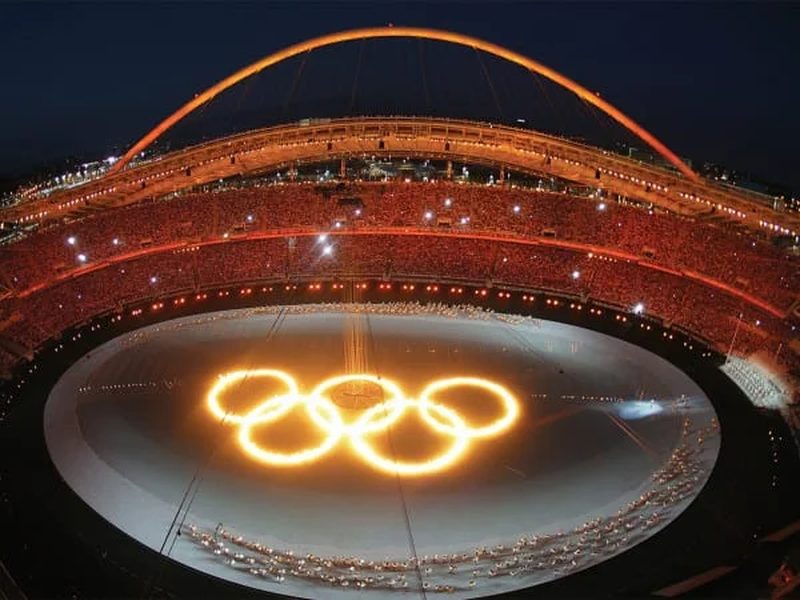
Competing at the Olympics is the dream of every athlete, but the path to the Games is a maze of entry standards, ranking cut-offs, continental quotas and selection trials. Each sport runs its own qualification system under International Olympic Committee guidelines, and the rules decide not just who goes, but which nations are represented. Here is how Olympic qualification really works.
What are entry standards?
Entry standards are the performance benchmarks athletes must achieve to be eligible for the Olympics: a specific time in the 100 metres, a height in the high jump, a score in shooting. Standards are set deliberately tough, roughly matching the level of a potential finalist, so that achieving one marks an athlete as genuinely Olympic class. Athletes must hit the standard within a defined qualification window, usually the eighteen months before the Games, at an approved competition with proper officiating and anti-doping. Standards create the first filter: they guarantee a baseline of quality across the Olympic fields while leaving room for the ranking pathway to fill the remaining places.
How do quotas limit participation?
The Olympics cannot invite everyone who is good enough; the IOC caps total athletes at around 10,500, and each sport receives a quota. Athletics might get just over 1,800 athletes, swimming fewer, and each event within a sport has a target field size: 48 for the 100 metres, 32 for many field events. Nations face their own caps: in athletics, each country may enter at most three athletes per individual event, provided all have qualified. These quotas force hard choices. A nation with five qualifiers in one event must leave two at home, and selection trials or discretionary picks decide who goes. Quotas are why Olympic qualification is as much about national politics as personal performance.
How does the ranking pathway work?
Once standard-holders are counted, unfilled quota places go to the highest-ranked eligible athletes. In athletics, the World Athletics Rankings provide the ordered list; in tennis, the ATP and WTA rankings decide entries; in badminton, the Race to the Olympics standings serve the purpose. The ranking route rewards consistency over the qualification period rather than a single spectacular day, and it opens the Games to athletes from nations without the facilities to chase standards at elite meets. For many athletes, the ranking pathway is the realistic route: they spend the qualification period hunting points at every available competition, knowing each result could be the one that books the ticket.
What are continental quotas and universality places?
The Olympics aspire to global representation, so qualification systems include mechanisms for underrepresented regions. Continental quotas reserve places for the best athletes from each continent, ensuring African, Asian, American, European and Oceanian participation even in sports dominated by one region. Universality places go further: nations with no qualified athletes may enter one male and one female competitor in athletics and swimming, regardless of standard. These places produce the Games’ most beloved stories, the swimmers and sprinters competing for personal bests rather than medals, and they embody the Olympic ideal that participation itself matters.
How do team sports qualify?
Team qualification runs through continental championships and dedicated qualifying tournaments. In football, the continental under-23 championships double as Olympic qualifiers; in hockey, the top finishers at the continental cups and a final qualification tournament fill the twelve-team fields; in basketball, the World Cup and Olympic qualifying tournaments decide entries. Host nations usually receive automatic qualification, a significant advantage. Team quotas are brutally tight, often just twelve teams per gender, so continental championships become winner-takes-all battles. For nations like India in hockey, the Asian Games gold has repeatedly been the golden ticket to the Olympics.
Who makes the final selection?
Qualifying the quota place and selecting the athlete are different steps. In most nations, the national Olympic committee and the sports federation choose from among qualified athletes, usually by trials or by ranking within the qualification window. Selection controversies are a staple of every Olympic cycle: athletes who hit standards but lose trials, discretionary picks that favour experience over form, and legal challenges that reach the courts. Transparent criteria published in advance are the best defence, but the emotional stakes, a lifetime’s work decided by committee, guarantee that every cycle produces disputed omissions and appeals.
FAQs
How many athletes compete at the Olympics? Around 10,500 athletes across all sports, with each sport allocated a quota by the International Olympic Committee.
Can a country send unlimited athletes in one event? No. Most sports cap entries per nation, such as three per athletics event, even if more athletes qualify.
What is a universality place? A quota place allowing nations without qualified athletes to enter competitors, ensuring the Games remain genuinely global.
Standards, rankings, quotas and trials: Olympic qualification is a system designed to balance excellence with universality. Behind every athlete marching in the opening ceremony lies a qualification story of standards chased and cut-offs survived.
Source: International Olympic Committee qualification principles

Khabar 24h Editorial Desk — our explainers are prepared by the Khabar 24h editorial team using AI-assisted research tools, and every piece is reviewed by a human editor before publishing. We do not claim original reporting: our work is turning complex topics into simple, accurate summaries. Spotted an error? Write to contact@khabar24h.com — our corrections policy aims for same-day review.
More from this author →