How Football World Cup Qualification Works in Asia: AFC Format Explained
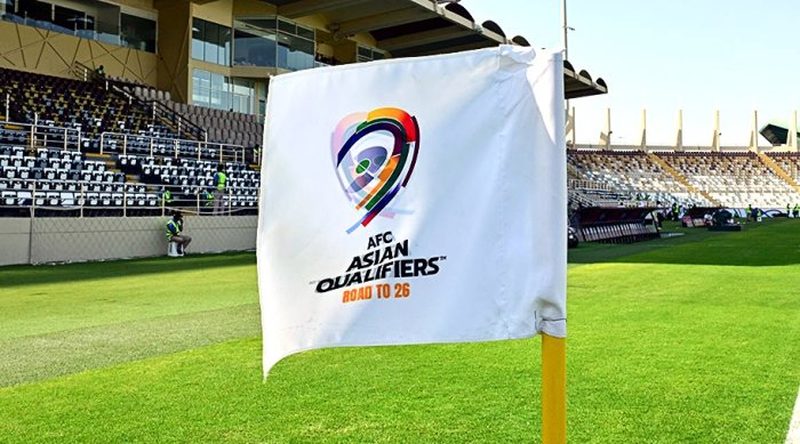
The FIFA World Cup is the pinnacle of football, and for Asian teams the journey there runs through one of the most gruelling qualification systems in world sport. The Asian Football Confederation’s pathway stretches across years, multiple rounds and thousands of air miles, eliminating the vast majority of its 46-plus entrants and leaving only a handful to represent the continent. This guide explains how World Cup qualification works in Asia: the rounds, the formats, and what it takes to survive them.
The AFC qualification structure
Asian qualification is played in sequential rounds, with the format adjusted for each World Cup cycle but following a consistent logic. The lowest-ranked teams begin in a preliminary playoff round, playing home-and-away knockout ties to reach the group stages. The main field then enters the second round: groups of five or six teams playing home-and-away round-robin matches, with group winners and the best runners-up advancing. The decisive phase is the third round, where the remaining teams, typically 18 in the expanded format, are divided into groups, playing a full home-and-away schedule. The top two from each group qualify directly for the World Cup. Teams finishing third and fourth enter a fourth round, an additional group stage offering more direct slots plus an intercontinental playoff place. It is a marathon: qualification campaigns span two to three years and up to 20 matches for teams that go the distance.
How the groups and seedings work
Seedings, based on the FIFA rankings, shape every draw and therefore every campaign. The draw pots ensure the continent’s giants, Japan, Iran, South Korea, Australia, Saudi Arabia, are spread across groups, while middle-ranked teams like India face the challenge of finishing above at least some stronger opposition. Home-and-away format makes every fixture a tactical puzzle: home wins are essential, away draws are precious, and goal difference often settles the tightest groups. The scheduling is brutal, with international windows scattered across club seasons, forcing players to shuttle between continents. Weather and travel add further variables: the away trip to a West Asian fortress in extreme heat, or to East Asia’s high-tempo arenas, tests squads’ depth and adaptability. Coaches plan campaigns in phases, targeting winnable home games while trying to steal points on the road.
The expanded World Cup: more slots, new dynamics
The expansion of the World Cup to 48 teams transformed Asian qualification. The continent’s allocation rose to eight direct slots plus an intercontinental playoff place, nearly doubling the previous representation. This has changed the strategic calculus for the entire middle tier of Asian football: teams that once faced near-impossible odds now have a genuine pathway, and the fourth round has become a second-chance saloon of high drama. The expansion has also intensified competition among the chasing pack, with a dozen nations believing qualification is realistic. For the traditional powers, the margin for error has grown; for aspirants, the dream is alive deep into campaigns that would previously have been over. The playoff route, a two-legged tie against a team from another continent, remains the cruellest and most thrilling way to reach the finals.
What it takes to qualify from Asia
Surviving Asian qualification demands a specific set of qualities. Squad depth is non-negotiable across a two-year campaign of injuries, suspensions and form swings. Tactical flexibility matters: the ability to dominate weaker teams at home and frustrate giants away. Mental resilience is tested by hostile away atmospheres and the pressure of must-win final matchdays. And increasingly, the details decide: sports science for recovery between windows, analysis of opponents’ set pieces, and the marginal gains of elite preparation. The teams that qualify consistently share these traits, built on strong domestic leagues and generations of international experience. For the rest, each cycle is a four-year project: develop the players, climb the rankings for a kinder draw, and peak when the decisive round arrives.
- Qualification runs in rounds: preliminary playoffs, group stages, then the decisive final groups.
- The top two in each final-round group qualify directly; others get second chances via further rounds and playoffs.
- Asia now has eight direct World Cup slots plus an intercontinental playoff place.
- FIFA rankings determine seedings, making every friendly and Asian Cup match strategically valuable.
FAQs
How many Asian teams qualify for the World Cup? Eight qualify directly, with a ninth possible through the intercontinental playoff.
How long does AFC qualification take? Campaigns typically span two to three years, from the first preliminary ties to the final matchday.
Has the format changed recently? Yes, it was restructured for the expanded 48-team World Cup, adding rounds and slots compared to previous cycles.
Asian World Cup qualification is a war of attrition that rewards depth, planning and nerve. For the teams that survive it, the World Cup itself can feel like the reward after the real battle.
Compiled by the Khabar 24h Editorial Desk from publicly available sources.

Khabar 24h Editorial Desk — our explainers are prepared by the Khabar 24h editorial team using AI-assisted research tools, and every piece is reviewed by a human editor before publishing. We do not claim original reporting: our work is turning complex topics into simple, accurate summaries. Spotted an error? Write to contact@khabar24h.com — our corrections policy aims for same-day review.
More from this author →