How the Indian Super League Works: Format, Teams and Season Structure
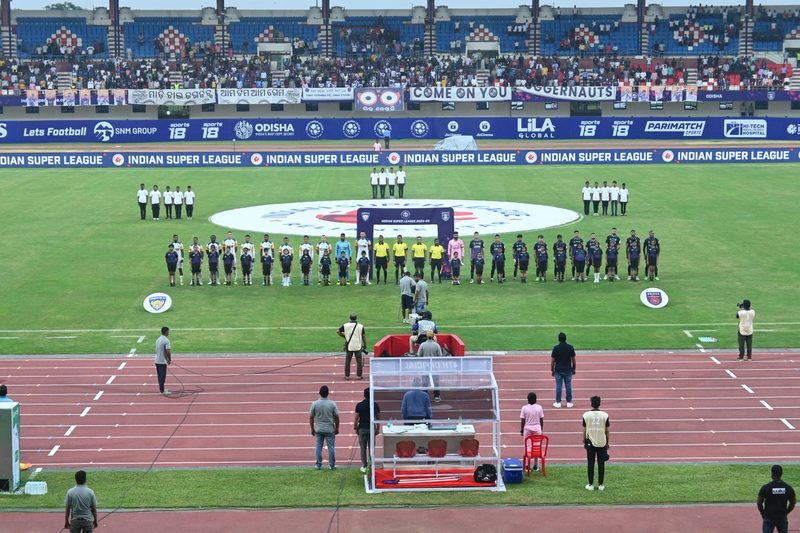
In a country where cricket dominates the sporting imagination, football’s rise has been powered substantially by one competition: the Indian Super League. Launched in 2014, the ISL brought franchise glamour, prime-time television and international stars to Indian football, and within a decade it became the country’s premier football competition, recognised as the top tier of the domestic game. This guide explains how the league works, from its format and teams to the season structure and its place in Indian football.
How the league is structured
The ISL currently features over a dozen franchises representing cities and regions across India, from Kerala to Kolkata to the Northeast. The competition follows a league-cum-playoff format familiar to franchise sport: each team plays every other team home and away in the league stage, earning three points for a win and one for a draw. The top six teams advance to the playoffs, a knockout stage that culminates in the final, where the ISL Cup winners are crowned. Separately, the team finishing first in the league stage wins the League Shield, a distinction that recognises consistency across the full season and carries its own continental qualification reward. The season runs through the cooler months, roughly autumn to spring, fitting around the international calendar and the subcontinent’s climate.
Teams, players and the squad rules
ISL squads blend Indian players with overseas signings under regulations designed to develop domestic talent. Each team fields a limited number of foreign players in its matchday squad and playing eleven, with the rules progressively tightened over the years to guarantee opportunities for Indians. The overseas slots have attracted recognisable names: ageing stars seeking a final adventure, prime internationals from Asia and beyond, and coaches with pedigree from top European leagues. But the league’s most important function is as a stage for Indian players, who get to play regularly in professional conditions, in front of big crowds and television cameras, against quality opposition. The salary structures, with a cap on overall squad spending, keep the competition financially sustainable while allowing marquee signings that drive interest.
The season: from kickoff to final
An ISL season unfolds over five to six months of weekly fixtures, building from the opening weekend’s excitement through the mid-season grind to the playoff race. The league stage’s home-and-away format means long travel across the country, from humid coastal venues to high-altitude grounds, testing squad depth and recovery. The playoff race routinely goes to the final weeks, with the battle for the top six producing the season’s most dramatic football. The final itself is a showpiece event, staged at a neutral or home venue with full broadcast production. Around the league, the calendar includes the Super Cup, the knockout competition featuring ISL and I-League clubs, and the continental commitments of the top teams in Asian competition, where ISL clubs represent India against the best of the continent.
Growth, impact and the road ahead
The ISL’s impact on Indian football is undeniable. It professionalised the club game: better stadiums, training facilities, sports science and youth academies have followed the money and the attention. Attendance in football hotbeds like Kerala, Kolkata and Goa has been passionate, creating atmospheres that players describe as transformative. The national team has benefited from a larger pool of players experiencing high-intensity professional football week after week. Challenges remain: the league needs deeper grassroots connection, stronger youth development across all clubs, and continued improvement in the quality of Indian players to lift the national team. The merger of the football pyramid, recognising the ISL as the top tier with promotion and relegation pathways developing, has given the structure long-term coherence. The ambition is clear: a league that can stand comparison with Asia’s best and a national team that qualifies for the World Cup.
- Franchise-based league launched in 2014; now India’s recognised top tier.
- League stage (home and away) followed by playoffs for the top six teams.
- League Shield for the table-toppers; ISL Cup for the playoff winners.
- Squad rules limit foreign players to guarantee opportunities for Indian footballers.
FAQs
How many teams play in the ISL? The league currently features more than a dozen franchises, with the exact number evolving as the league expands.
When is the ISL season played? Roughly from autumn through spring, avoiding the peak summer heat.
What is the difference between the Shield and the Cup? The Shield goes to the league-stage table-toppers; the Cup is won through the end-of-season playoffs.
The Indian Super League took barely a decade to become the centre of Indian football. Its next decade will decide whether that centre can lift the whole sport to the world stage.
Compiled by the Khabar 24h Editorial Desk from publicly available sources.

Khabar 24h Editorial Desk — our explainers are prepared by the Khabar 24h editorial team using AI-assisted research tools, and every piece is reviewed by a human editor before publishing. We do not claim original reporting: our work is turning complex topics into simple, accurate summaries. Spotted an error? Write to contact@khabar24h.com — our corrections policy aims for same-day review.
More from this author →