What Is the ICC? How Cricket’s Governing Body Runs the Global Game
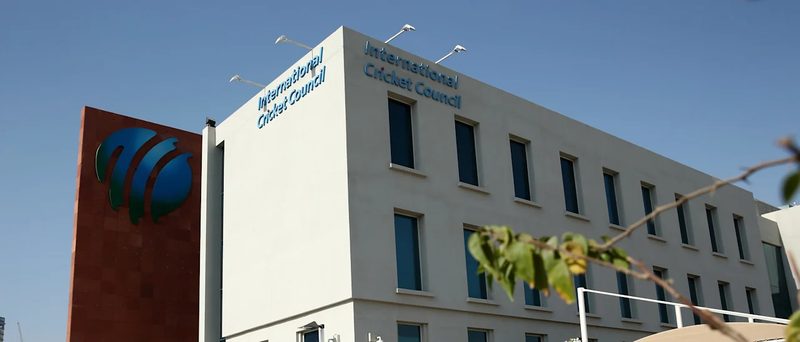
Cricket is unusual among global sports: it has no single league, no worldwide club system, and a calendar built on bilateral agreements between national boards. Holding this fragmented world together is the International Cricket Council, the ICC, the sport’s global governing body. From its headquarters in Dubai, it runs world tournaments, writes the playing conditions, manages the rankings, polices corruption and distributes the game’s vast revenues. Yet its power, its politics and its decisions are constantly debated. This guide explains what the ICC is and how it runs the global game.
What the ICC is: history and structure
The ICC began in 1909 as the Imperial Cricket Conference, founded by England, Australia and South Africa, and for much of its history it was an exclusive club run from London’s Lord’s. Decolonisation and the rise of new powers transformed it: membership expanded, the headquarters moved to Dubai in 2005, and the organisation was renamed the International Cricket Council. Today it has 12 Full Members, the Test-playing nations with the most voting power, and nearly a hundred Associate Members, the developing cricket nations. The ICC is governed by a board of directors drawn from member boards, with independent directors added in recent reforms, and led by a chair and chief executive. Its full members fund it through the revenues generated overwhelmingly by the Indian market, a financial reality that shapes every major decision the organisation makes.
Tournaments: the ICC’s crown jewels
The ICC’s most visible job is staging global events. The ODI World Cup, held every four years, remains cricket’s flagship tournament; the T20 World Cup, now on a two-year cycle, is its fastest-growing property; the Champions Trophy brings back the elite eight-team format; and the World Test Championship final crowns the long format’s champion. The ICC owns these events outright: it sells the global broadcast rights, manages the logistics across host nations, and distributes the profits to members. Hosting rights are awarded years in advance and are among the most coveted prizes in the sport, bringing tourism, prestige and packed stadiums. The tournaments are also the ICC’s main lever for growing the game, with qualification pathways designed to give Associate nations their moments on the world stage.
Rules, rankings, officials and integrity
Beyond tournaments, the ICC is cricket’s rule-maker and referee. It maintains the playing conditions for international cricket, adapting them as the game evolves, from powerplay tweaks to concussion substitutes. It runs the official team and player rankings across formats, the tables that seed tournaments and settle bar-room debates. It appoints elite panels of umpires and match referees to officiate international cricket, and operates the Decision Review System framework. Its Anti-Corruption Unit polices the sport against fixing, with education programmes, investigations and the authority to ban offenders for life. It also runs anti-doping programmes and, increasingly, works on the sport’s global development: funding Associate members, supporting women’s cricket growth, and driving the Olympic project that will put cricket on the world’s biggest stage.
Money and politics: the ICC’s hardest job
The ICC’s most contentious role is dividing the money. Its revenue, dominated by broadcast deals for its events, is distributed to members through models that have been repeatedly renegotiated amid fierce politics. The largest share flows to the biggest markets, above all India, whose board generates the overwhelming majority of the game’s commercial value; smaller Full Members and Associates argue for a fairer split that would grow the game globally. The Future Tours Programme, the ICC’s attempt to give the bilateral calendar structure, is constantly strained by franchise leagues and board self-interest. Critics call the ICC a weak body captured by its richest members; defenders argue it has professionalised enormously, grown revenues many times over, and kept an unwieldy sport functioning. The truth contains both: the ICC is simultaneously cricket’s indispensable administrator and its most argued-about institution.
- Founded 1909 as the Imperial Cricket Conference; headquartered in Dubai since 2005.
- 12 Full Members and around 100 Associate Members.
- Runs the ODI World Cup, T20 World Cup, Champions Trophy and World Test Championship.
- Manages rankings, playing conditions, elite officials and the Anti-Corruption Unit.
FAQs
What does ICC stand for? The International Cricket Council, the global governing body for the sport.
Who runs the ICC? A board of directors representing member nations, led by a chair and chief executive from the Dubai headquarters.
Does the ICC control bilateral series? No. Bilateral series are arranged between boards; the ICC structures them loosely through the Future Tours Programme and sanctions the calendar.
The ICC is the scaffolding that holds world cricket up: imperfect, political, and utterly essential. Without it, there would be no World Cups, no rankings, and no one to mind the global shop.
Compiled by the Khabar 24h Editorial Desk from publicly available sources.

Khabar 24h Editorial Desk — our explainers are prepared by the Khabar 24h editorial team using AI-assisted research tools, and every piece is reviewed by a human editor before publishing. We do not claim original reporting: our work is turning complex topics into simple, accurate summaries. Spotted an error? Write to contact@khabar24h.com — our corrections policy aims for same-day review.
More from this author →